Air Filter Selection for Medical Facilities
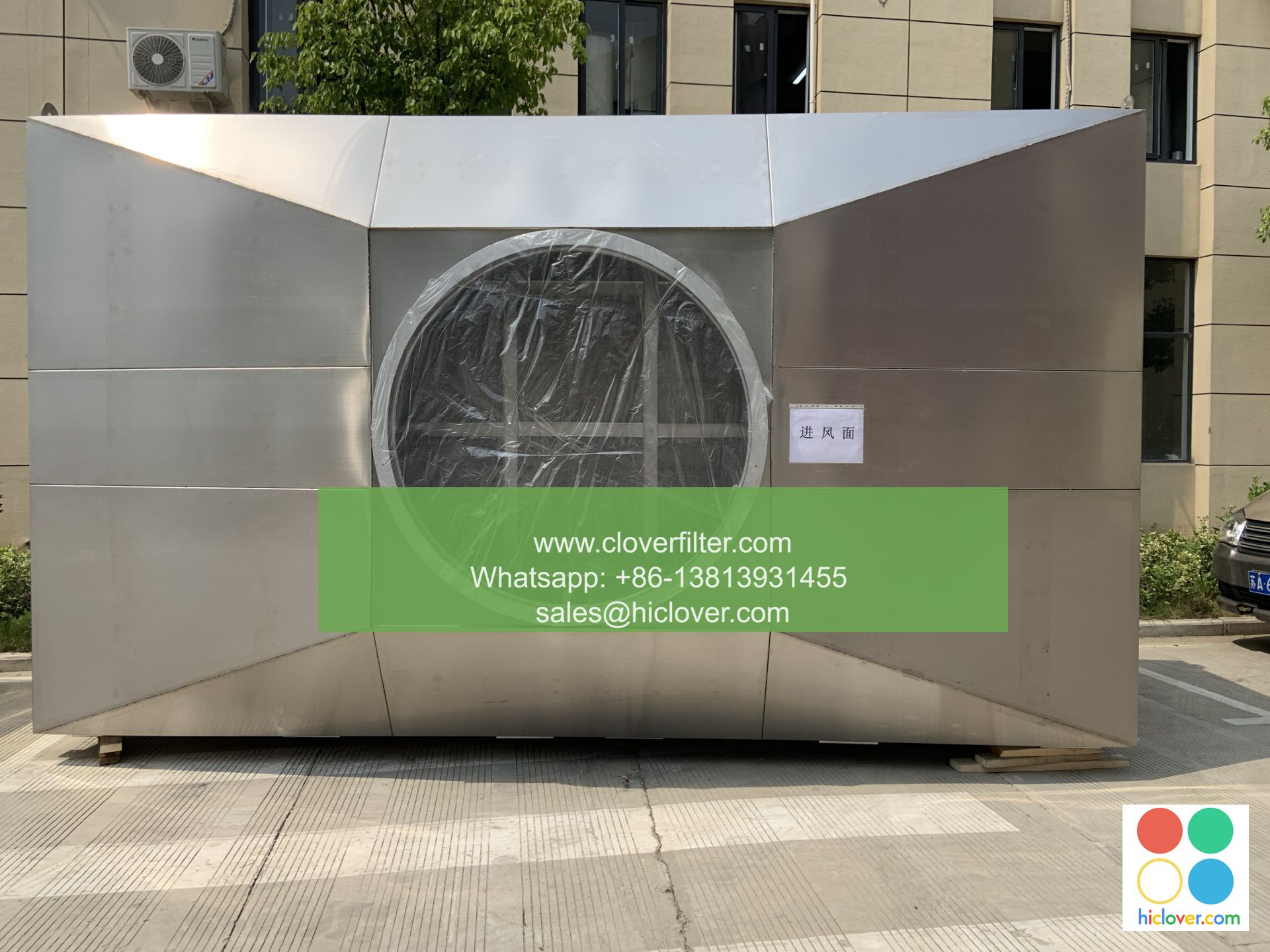
Maintaining optimal air quality in medical facilities is crucial for the safety and well-being of patients, staff, and visitors. Effective air filtration helps to reduce airborne contaminants, allergens, and pathogens that can compromise health. Understanding how to choose the right air filters is key to ensuring a safe and hygienic environment.
Importance of Air Quality in Healthcare Settings

The presence of harmful particles in the air, including bacteria, viruses, and allergens, can have detrimental effects in hospitals, clinics, and other healthcare environments. Proper air filtration aids in:
- Reducing the risk of healthcare-associated infections (HAIs).
- Improving patient recovery times.
- Enhancing the working conditions for healthcare staff.
Key Factors for Selecting Air Filters
1. Type of Facility Needs

Different medical facilities have unique requirements based on the type of care they provide. For instance:
- Hospitals: Require high-efficiency particulate air (HEPA) filters to capture 99.97% of particles.
- Dental Clinics: Need filters that can handle aerosolized particles and bacteria.
- Laboratories: Demand specialized filters such as ULPA filters for maximum contamination control.
2. Air Change Rates
Understanding the air change rate is crucial for selecting the right air filter. This refers to how many times the air within a space is replaced in an hour. The higher the air change rate, the more effective the filtration system must be in maintaining air quality.
3. Filter Efficiency Ratings
The MERV rating (Minimum Efficiency Reporting Value) is an important factor in air filter selection. Filters with higher MERV ratings (typically between 13-16) are more efficient at capturing small particles like bacteria and viruses:
- MERV 13: Excellent for hospitals and infection-sensitive areas.
- MERV 14-16: Ideal for surgical units and critical care facilities.
Application Areas for Air Filters in Healthcare
Air filters are critical in various areas within healthcare settings:
- Operating Rooms: Must have the highest-grade filtration to keep sterile environments.
- Intensive Care Units (ICUs): Require filters that minimize airborne infections.
- Waiting Rooms: Essential for controlling airflow and reducing contagion risks.
Maintenance and Replacement
Regardless of the type of air filter selected, regular maintenance and replacement schedules are vital to ensure effective operation. Healthcare facilities should establish a routine inspection and replacement program to keep air quality at optimal levels.
Conclusion
Choosing the right air filters for medical facilities is a multifaceted process that directly affects health outcomes. By considering the facility’s specific needs, understanding air change rates, and selecting filters based on efficiency ratings, healthcare organizations can create safe and sterile environments for all. Investing in high-quality air filtration systems is not just a compliance measure; it is a commitment to the health and safety of patients and staff.
It looks like your message got cut off. What would you like to ask or discuss? Feel free to provide more details!
