Air Filter Selection for Museums and Art Galleries: A Comparative Analysis

Introduction
Museums and art galleries serve as custodian spaces for invaluable cultural artifacts and artworks. The preservation of these items is paramount, requiring careful consideration of the indoor environment, particularly air quality. Selecting the right air filters is crucial to safeguarding these treasures from pollutants, particulate matter, and detrimental humidity levels. This article aims to provide a comparative analysis of air filter options suitable for museums and art galleries, focusing on various application areas.

Importance of Air Quality in Museums and Art Galleries
Protecting Artworks and Artifacts
Artworks, artifacts, and manuscripts are sensitive to air quality fluctuations. Pollutants such as dust, pollen, and smoke can lead to deterioration, discoloration, and irreversible damage. Therefore, maintaining stable conditions through effective air filters is essential for preservation.
Visitor Experience
A clean environment not only protects the artifacts but also enhances visitors’ experiences. Poor air quality can result in discomfort, potentially impacting visitor satisfaction and engagement.
Key Considerations for Air Filter Selection
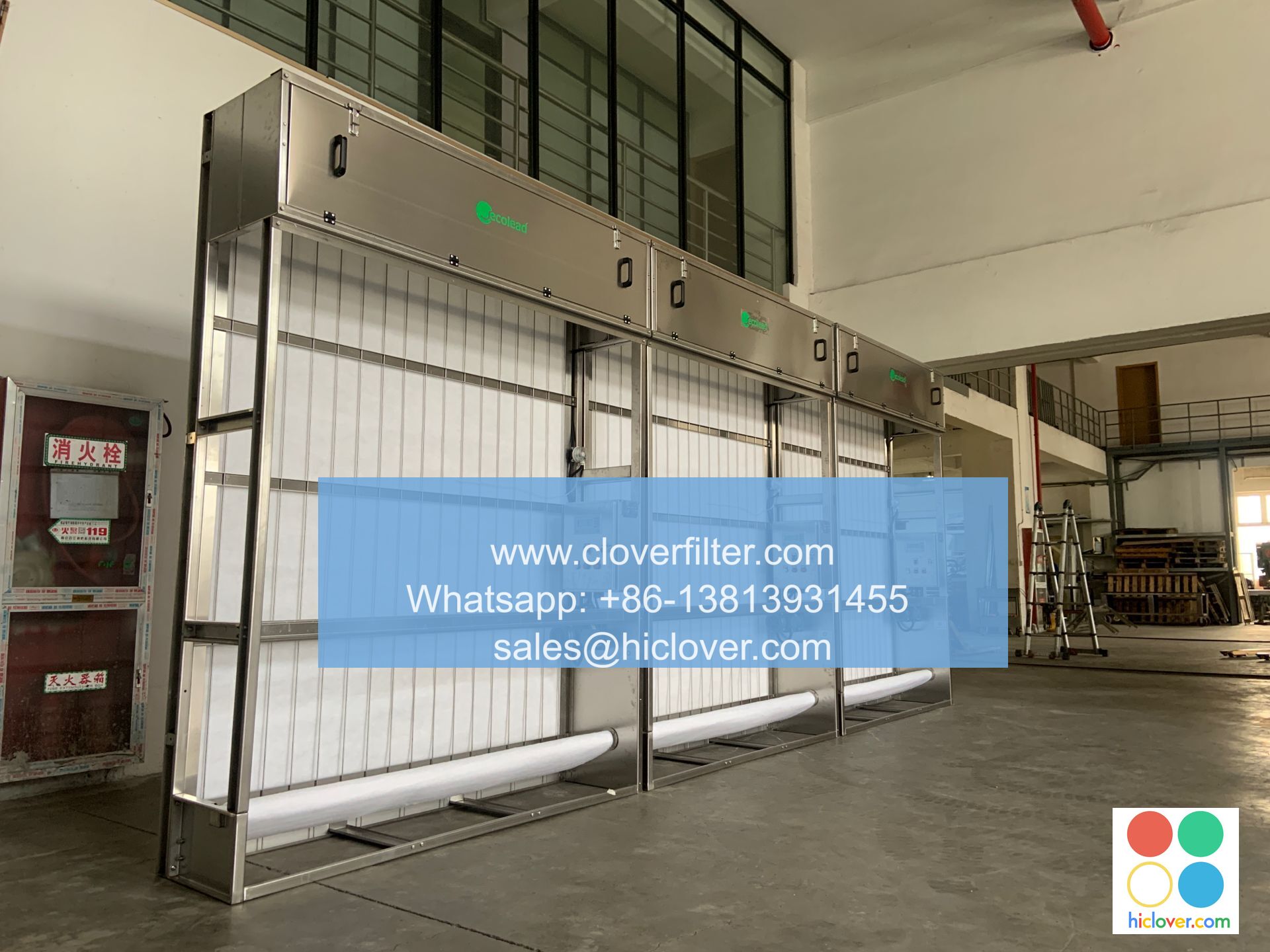
1. Particle Size Reduction
Effective air filters should capture a broad range of particle sizes, including microorganisms, fine dust, smoke, and larger debris.
2. Filter Efficiency Ratings
Filters are evaluated using MERV (Minimum Efficiency Reporting Value) ratings. A higher MERV rating indicates higher efficiency. Selecting a filter with a MERV rating suitable for the specific application area is critical.
3. Type of Air Filter
Different types of air filters serve varying purposes, and understanding their functions is essential:
a. HEPA Filters
High Efficiency Particulate Air (HEPA) filters are highly effective at trapping small particles, including dust, spores, and bacteria, ensuring a cleaner environment. They are particularly beneficial in exhibition areas where air quality must be pristine.
b. Activated Carbon Filters
These filters are adept at removing gaseous pollutants and odors. Activated carbon filters are ideal for areas housing sensitive materials that may be affected by chemical exposure.
c. Electrostatic Filters
These filters utilize static electricity to trap particles and are reusable. They are suitable for larger museum spaces that require ongoing air filtration without the frequent need for replacements.
4. Humidity Control
Humidity can be detrimental to both artifacts and artwork. Using filters that incorporate dehumidification technology can assist in maintaining optimal moisture levels.
Comparative Analysis of Air Filter Types
| Filter Type | Efficiency | Best Application Area | Advantages | Disadvantages |
|---|---|---|---|---|
| HEPA Filters | High | Exhibition spaces, Archives | Captures small particles effectively | Expensive, requires regular replacement |
| Activated Carbon | Moderate | Areas with chemical exposure | Removes odors & gaseous pollutants | Needs replacement, less effective for particulates |
| Electrostatic | Variable | Large open spaces | Reusable, energy-efficient | Performance varies with dust type |
| Mechanical Filters | Low | Storage areas | Cost-effective, simple maintenance | Less efficient in air quality control |
Case Studies in Air Filter Application
The Louvre Museum
The famed Louvre employs a multi-stage air filtration system including HEPA and activated carbon filters to protect its vast collection. This dual methodology addresses particulate and chemical pollutants, crucial for their historical artifacts.
The Getty Center
The Getty Center utilizes advanced electrostatic filters in combination with humidity control systems. This has resulted in a significant reduction of particulate matter while maintaining stable temperature and humidity levels throughout the facility.
Conclusion
Selecting the appropriate air filter system is vital for museums and art galleries aiming to preserve valuable artifacts while providing a comfortable environment for visitors. Various air filter types have distinct advantages and applications. A comparative analysis reveals that a multi-faceted approach—often integrating HEPA, activated carbon, and humidity control technology—profoundly enhances indoor air quality. Investing wisely in air filtration not only prolongs the life of precious cultural heritage but also elevates the overall visitor experience in these iconic spaces.
Key Takeaways
- The air quality in museums and galleries is critical for preservation.
- Different filter types serve various functions; understanding their applications is vital.
- Multi-stage filtration systems provide optimal protection against pollutants.
Selecting the right air filter is not merely an operational necessity; it is an investment in the future of cultural preservation and the visitor experience.
It seems like you may have wanted to include a specific prompt or request but didn’t provide one. How can I assist you today? If you have a topic or question in mind, feel free to share!
