Air Filter Shipping and the Importance of Clear Communication

Shipping air filters requires careful planning and attention to detail to ensure that these critical components arrive at their destination safely and efficiently. In this article, we will explore the importance of clear communication in air filter shipping, highlighting various application areas and key considerations for Logistics and Supply Chain Management.
Understanding Air Filter Shipping Requirements

Air filters are used in a wide range of applications, including Industrial Filtration, HVAC Systems, and Cleanroom Environments. Each of these applications has its own unique set of requirements and regulations, making it essential to understand the specific needs of the customer. Clear communication is critical in ensuring that the right air filters are shipped to the right location, in the right quantity, and at the right time.
Key Considerations for Air Filter Shipping
When shipping air filters, there are several key considerations to keep in mind, including:
- Product Specifications: Ensuring that the air filters meet the required specifications and standards, such as MERV Ratings and Filter Efficiency.
- Packaging and Handling: Properly packaging and handling air filters to prevent damage during transit and ensure safe delivery.
- Regulatory Compliance: Complying with relevant regulations, such as OSHA and EPA guidelines, when shipping air filters.
- Inventory Management: Effectively managing inventory levels to ensure that air filters are available when needed and to prevent stockouts.
- Customer Communication: Keeping customers informed about the status of their orders, including Shipping Notifications and Tracking Information.
- Supplier Communication: Collaborating with suppliers to ensure that air filters are manufactured and shipped according to specifications and requirements.
- Internal Communication: Coordinating with internal teams, such as Logistics and Operations, to ensure that air filters are properly packaged, labeled, and shipped.
- Improved Customer Satisfaction: Ensuring that customers receive their air filters on time and in good condition.
- Reduced Errors: Minimizing errors and miscommunication that can lead to delays, damage, or lost shipments.
- Increased Efficiency: Streamlining the shipping process and reducing the risk of delays or disruptions.
- Cost Savings: Reducing costs associated with re-shipping, re-labeling, or re-packaging air filters due to errors or miscommunication.
- Industrial Filtration: Shipping air filters to industrial facilities, such as Manufacturing Plants and Power Generation Stations.
- HVAC Systems: Shipping air filters to commercial and residential buildings, including Office Buildings and Hospitals.
- Cleanroom Environments: Shipping air filters to cleanroom environments, such as Pharmaceutical Manufacturing and Laboratories.
- Transportation: Shipping air filters to the Aerospace and Automotive industries.
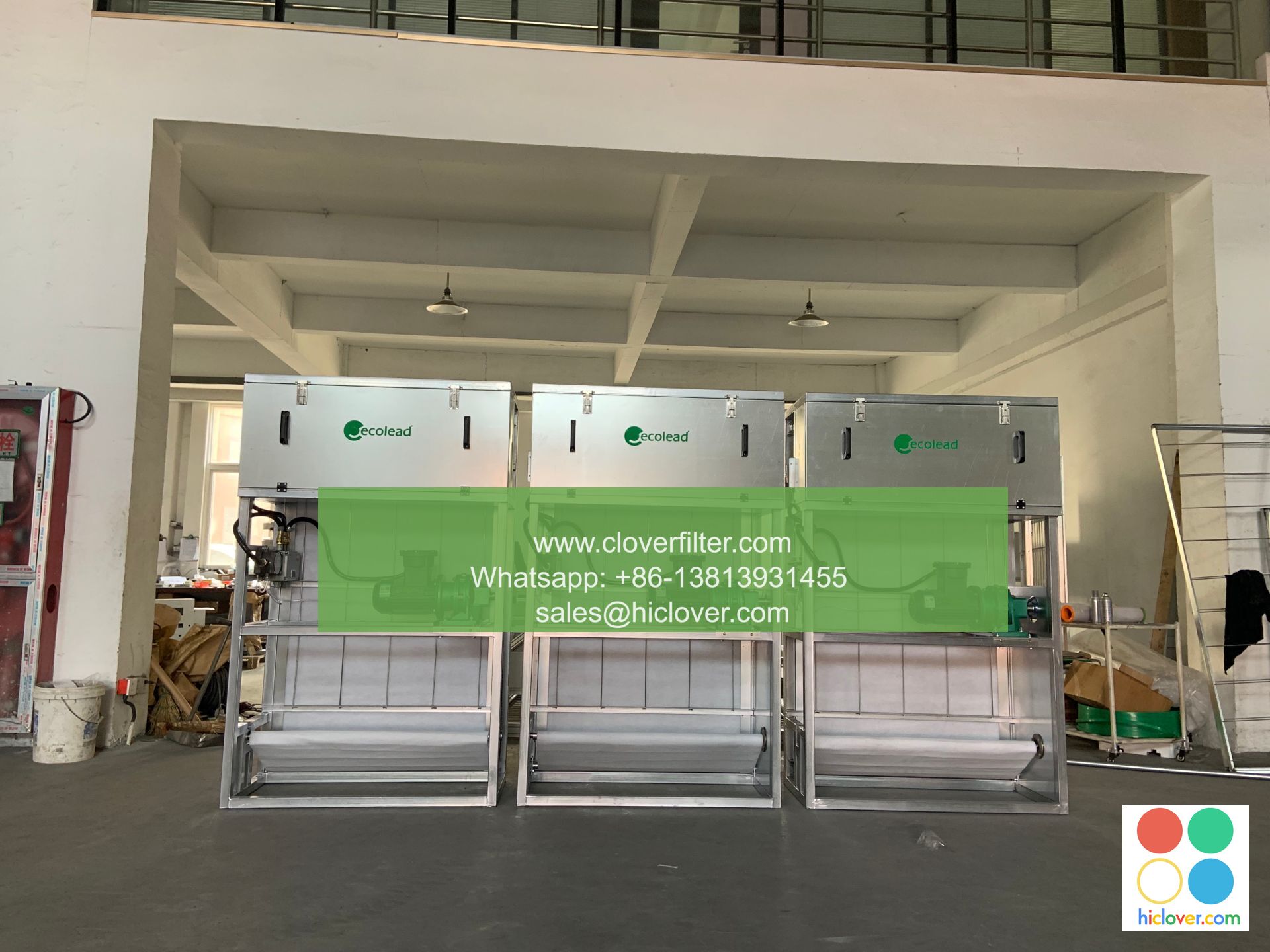
The Role of Clear Communication in Air Filter Shipping
Clear communication plays a vital role in ensuring the successful shipping of air filters. This includes:
Benefits of Clear Communication in Air Filter Shipping
The benefits of clear communication in air filter shipping are numerous, including:
Application Areas for Air Filter Shipping
Air filter shipping has a wide range of applications, including:
Conclusion
In conclusion, clear communication is essential for successful air filter shipping. By understanding the requirements and regulations of various application areas, including Industrial Filtration, HVAC Systems, and Cleanroom Environments, and by prioritizing clear communication with customers, suppliers, and internal teams, companies can ensure that air filters are shipped safely, efficiently, and effectively. By doing so, companies can improve customer satisfaction, reduce errors, increase efficiency, and achieve cost savings, ultimately driving business success in the Logistics and Supply Chain Management industry.
It seems like you’re ready to start a conversation or ask a question, but you haven’t provided a specific prompt yet. What’s on your mind? Would you like to discuss a particular topic, ask for information, or explore a creative idea? I’m here to help with any questions or topics you’d like to address!
