Air Filter Shipping Mistakes You Didn’t Know You Were Making
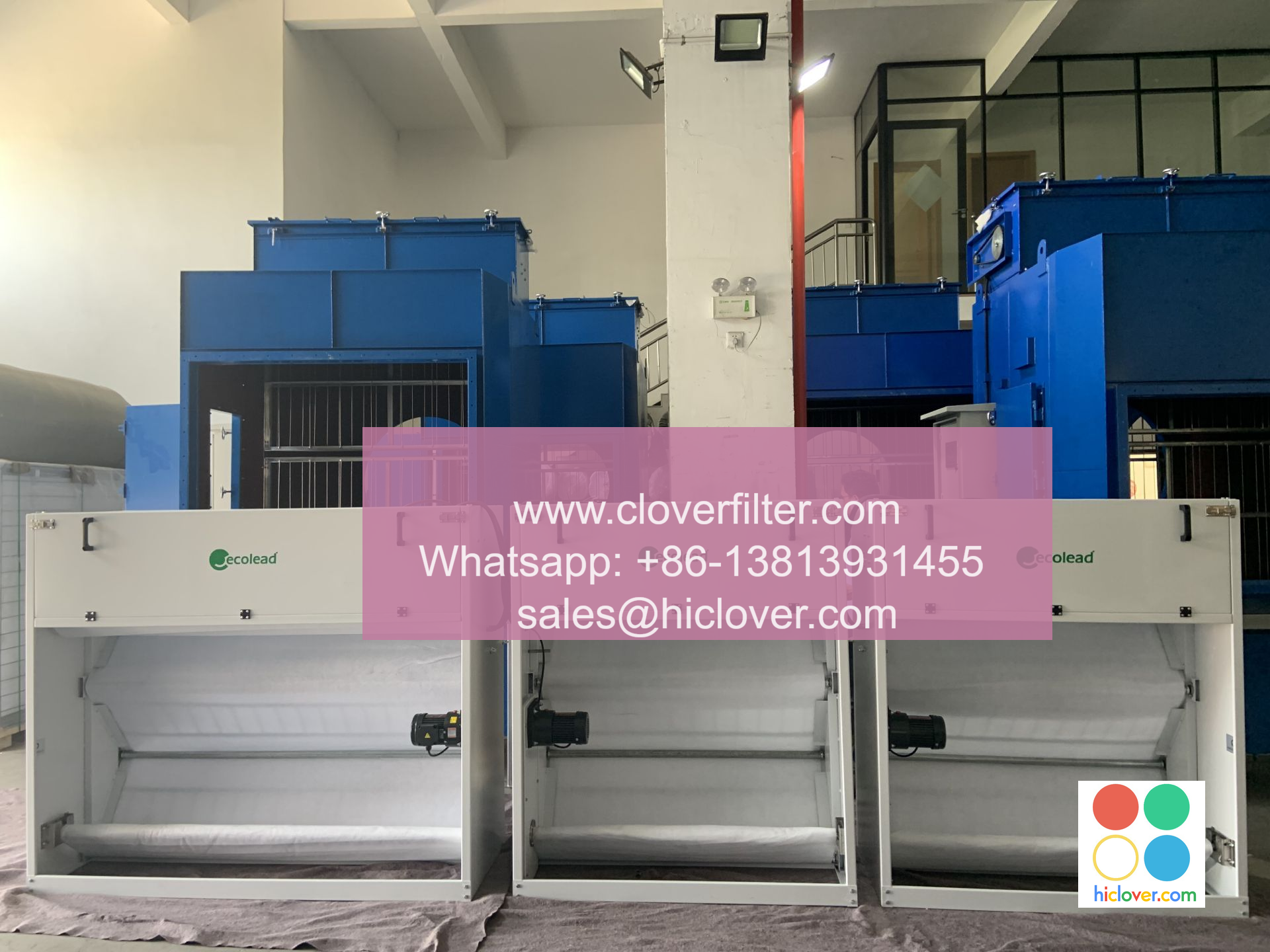
Key Takeaways:
- Understand how improper shipping practices can affect air filter performance.
- Learn the importance of correct labeling and documentation for air filter shipping.
- Avoid packing mistakes that can damage filter media and framing.
- Discover how to choose the right air filtration system for your facility.
- Familiarize yourself with essential air filter shipping information and best practices.
- Inadequate Packaging: Always use cushioning materials to protect filters. Damaged filter media can lead to reduced efficiency.
- Improper Labeling: Ensure all boxes are correctly labeled with handling instructions and air filter shipping information.
- Temperature Exposure: Avoid exposing filters to extreme temperatures during transit, as this can affect the filter media’s integrity.
- Shipping Orientation: Always ensure that filters are shipped in the recommended orientation to avoid dislodging the media.
- Neglecting Documentation: Provide thorough shipping documentation, including handling instructions and installation guidelines.
- Inconsistent Sizes: Ensure that filters are compliant with specified dimensions for seamless installation, as improper sizing can increase resistance.
- Ignoring Timing: Use timely shipping methods; delays can lead to filter degradation.
- Overloading Pallets: Avoid overloading shipments to prevent crushing delicate filter components.
- Failure to Inspect: Inspect filters before shipping and upon arrival to identify potential damage early.
- Ignoring Compliance Standards: Be aware of industry compliance standards like ISO 16890 and MERV when selecting filters to ensure quality.
- Airflow Range: Ensure that the filter can handle the required cubic feet per minute (CFM) for your specific application.
- Face Velocity: The ideal face velocity ranges between 300-500 ft/min, varying according to the facility’s needs and filter design.
- Media Width/Length: Choose a media length that allows for sufficient particulate capture while maximizing usage.
- Frame Size: Standard frame sizes ensure compatibility with existing systems.
- Control Options: Options may include manual, timer-based, or digitally controlled systems based on operational preferences.
- Power Supply: Ensure compatibility with your facility’s power requirements.
- Fresh Air Intake: For controlling outside air pollutants.
- Return: To manage recirculated air.
- Process: For areas requiring specific air quality standards.
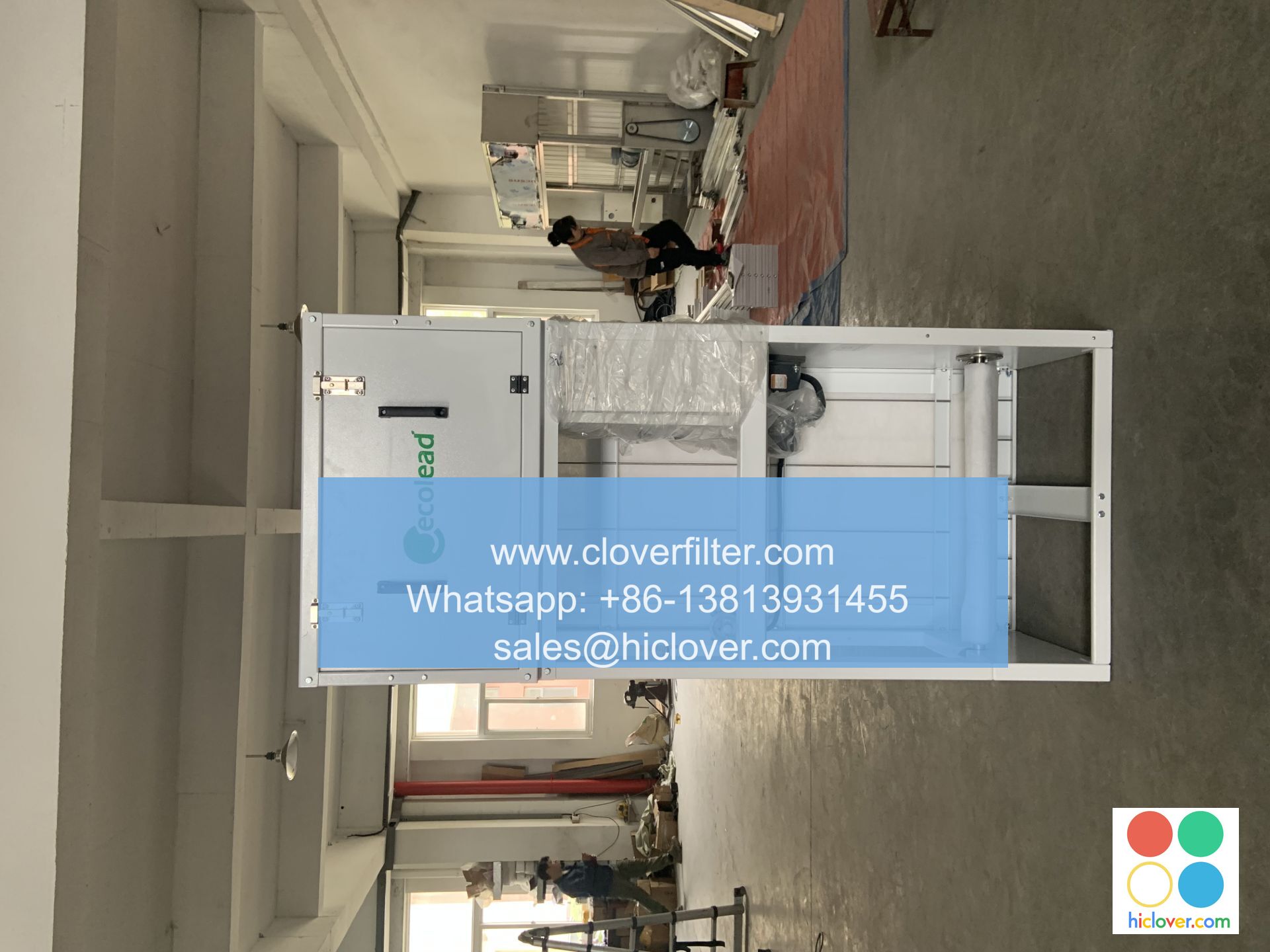
What is an Automatic Roll Air Filter?
An Automatic Roll Air Filter is an innovative filtration solution designed to optimize airflow in HVAC systems. It utilizes roll media that automatically advances as it captures particulate matter, keeping air clean and maintaining efficiency. This mechanism is triggered by differential pressure, which senses when the filter reaches its optimal capacity, ensuring the demand for fresh air intake is met without interruption.

At its core, the roll media advance logic in an Automatic Roll Air Filter ensures a continuous supply of fresh air while minimizing maintenance needs. The timer mode can be adjusted based on facility requirements, making this filter suitable for various applications— from data centers needing consistent air quality to battery plants requiring stringent contaminant control.
Air Filter Shipping Information: Common Mistakes and How to Avoid Them
When shipping air filters, several common mistakes can compromise their integrity and performance. Understanding these issues and how to avoid them is crucial in ensuring effective filtration upon arrival.
Common Mistakes & How to Avoid Them
Practical Selection Guide for Automatic Roll Air Filters
Selecting the right Automatic Roll Air Filter involves considering multiple aspects based on your facility’s unique requirements:
Airflow Range & Face Velocity
Media Width/Length and Frame Size
Control Options and Power Supply
Installation Location
Choose where the filter will be installed:
| Feature | Automatic Roll Air Filter | Bag Filter | Panel Filter | V-bank Filter |
|---|---|---|---|---|
| Best Use Case | High efficiency, low maintenance | General-purpose | Space-saving | High dust-holding |
| Maintenance | Low | Medium | Medium | High |
| Pressure Drop Behavior | Low | Moderate | Variable | Low |
| Operating Cost | Cost-effective over time | Moderate | Low | High |
| Typical Risk/Downside | Requires specialized setup | Frequent change | Limited efficiency | Requires more space |
Real-World Scenarios
Here are a few compelling examples that illustrate the effective implementation of Automatic Roll Air Filters:
Data Center
In a bustling data center, maintaining optimal air quality is crucial. Using Automatic Roll Air Filters helped improve airflow consistency and reduced maintenance downtime, enhancing operational efficiency while ensuring optimal temperatures for sensitive equipment.
Battery Factory
At a lithium battery manufacturing facility, needing stringent contaminant control led to the installation of Automatic Roll Air Filters. The reduced pressure drop contributed to energy savings, and the filters efficiently managed the fresh air intake required for safe manufacturing.
Paint Shop
In an automotive paint shop, maintaining a clean air environment is essential. Automatic Roll Air Filters captured volatile organic compounds (VOCs) efficiently, leading to improved finish quality and a safer workspace for employees.
Textile/Steel/Cement Plant
Within a textile mill, pollution control is paramount. Automatic Roll Air Filters provided effective particulate control, aligning with ISO 16890 standards, though specific certifications are available on request. This decision resulted in reduced maintenance and lower operational costs—a win-win for production and compliance.
FAQ Section
Q1: What is an Automatic Roll Air Filter?
A: It is a filtration device that uses continuously advancing roll media to capture particulates, maintaining airflow while reducing maintenance needs.
Q2: How does it trigger the media advance?
A: Differential pressure thresholds are used to automatically advance the media, ensuring optimal performance.
Q3: Where should Automatic Roll Air Filters be installed?
A: They can be installed at fresh air intakes, return air systems, or process air settings depending on operational needs.
Q4: Are there any industry standards to consider?
A: Yes, while specific certifications should be requested, frameworks like ISO 16890 and MERV give guidance on air quality.
Q5: What makes them energy-saving?
A: Their efficient design reduces air resistance, thus lowering energy demands on HVAC systems.
Q6: How can I ensure safe shipping of air filters?
A: Use proper packaging, label shipments clearly, and adhere to shipping guidelines to prevent damage.
Conclusion
Avoiding common air filter shipping mistakes can significantly enhance the performance and longevity of your filtration systems. As facilities grow in complexity and standards tighten, it is vital to utilize proper air filter shipping information to ensure the safe and effective transportation of filters.
If you’re looking for high-quality air filtration solutions, consider exploring CloverFilter’s Automatic Roll Air Filters through CloverFilter. For inquiries and further details on air filter specifications, please reach out via our contact page.
Meta Description: Explore common air filter shipping mistakes and learn how to avoid them. Get essential air filter shipping information to improve efficiency in your facility.
It seems like you entered “Prompt” without any additional context. How can I assist you? Are you looking for writing prompts, creative ideas, or something else? Let me know!
