Air Filter Sizing for Industrial Food Processing Facilities
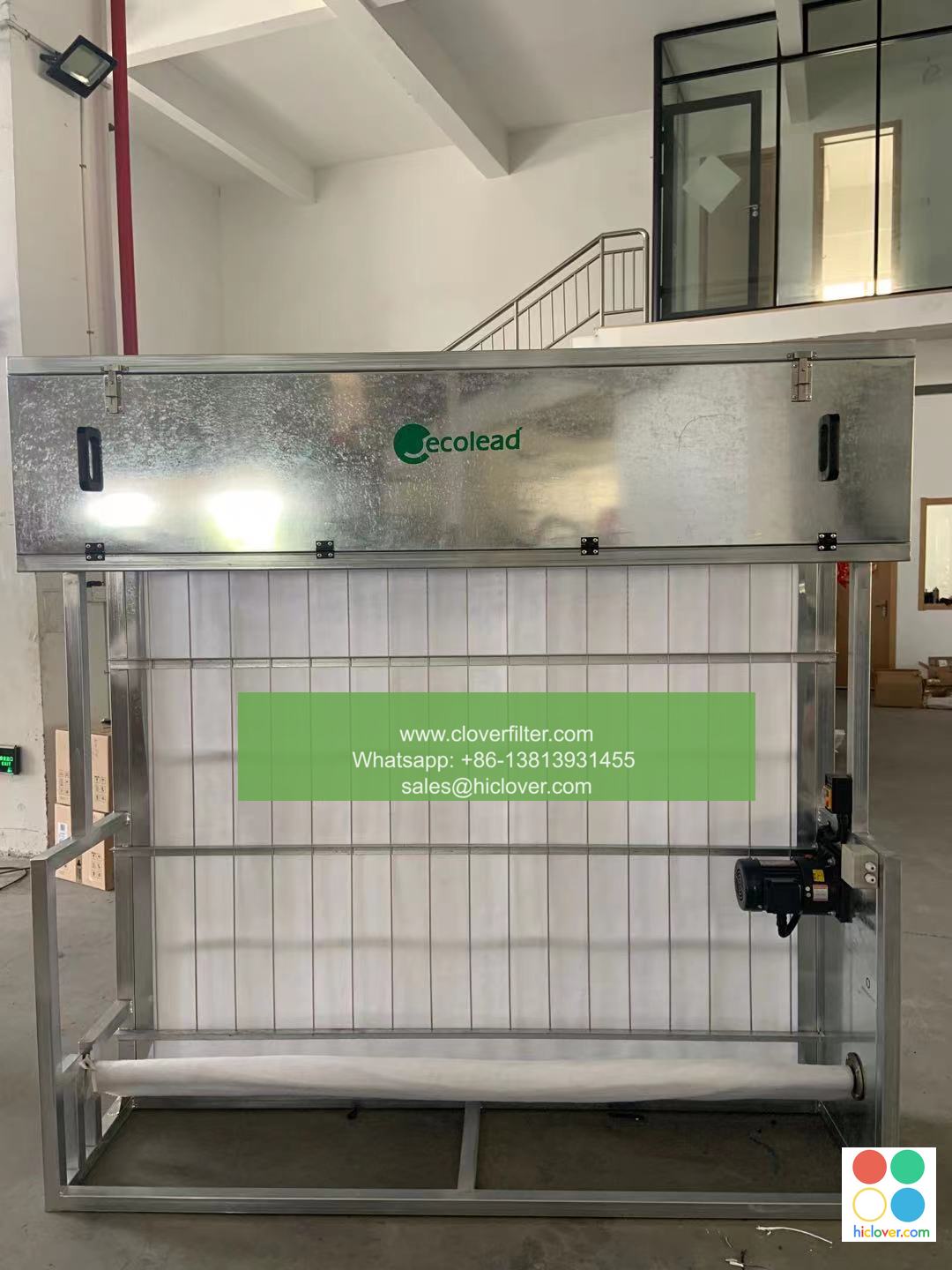
Industrial food processing facilities require a controlled environment to ensure the quality and safety of their products. One crucial aspect of maintaining this environment is the proper sizing and selection of air filtration systems. In this article, we will delve into the world of air filter sizing for industrial food processing facilities, highlighting various application areas and key considerations.
Importance of Air Filtration in Food Processing
Air filtration plays a vital role in preventing cross-contamination and maintaining a cleanroom environment in food processing facilities. A well-designed air filtration system helps to remove airborne particulate matter, microorganisms, and odors that can compromise product quality and safety. In facilities where high-risk foods such as meat, dairy, and bakery products are processed, the importance of effective air filtration cannot be overstated.
Key Considerations for Air Filter Sizing
When it comes to sizing air filters for industrial food processing facilities, several factors must be taken into account. These include:
* Airflow rates: The amount of air that needs to be filtered to maintain a safe and healthy environment.
* Filter efficiency: The ability of the filter to capture particulate matter and microorganisms of varying sizes.
* Pressure drop: The resistance to airflow caused by the filter, which can impact the overall performance of the HVAC system.
* Filter type: The choice of filter, such as HEPA filters, activated carbon filters, or pre-filters, depends on the specific application and required level of filtration.
Application Areas for Air Filtration in Food Processing
Air filtration systems are used in various application areas within industrial food processing facilities, including:
* Production areas: Where food products are processed, packaged, and stored.
* Storage areas: Where raw materials and finished products are stored.
* Waste management areas: Where waste is handled and processed.
* Employee areas: Where employees work, eat, and take breaks.
Some specific examples of air filtration applications in food processing include:
* Dairy processing: Where HEPA filters are used to prevent bacterial contamination and maintain a cleanroom environment.
* Bakery processing: Where activated carbon filters are used to remove odors and particulate matter from the air.
* Meat processing: Where high-efficiency filters are used to prevent cross-contamination and maintain a safe working environment.
Conclusion
In conclusion, air filter sizing is a critical aspect of maintaining a safe and healthy environment in industrial food processing facilities. By considering factors such as airflow rates, filter efficiency, pressure drop, and filter type, facilities can ensure that their air filtration systems are properly sized and effective in preventing cross-contamination and maintaining a cleanroom environment. Whether it’s dairy processing, bakery processing, or meat processing, the right air filtration system can make all the difference in ensuring the quality and safety of food products. It looks like you haven’t provided a prompt or question for me to respond to. Please go ahead and ask me something, and I’ll do my best to provide a helpful and direct answer.
