Air Filter Sizing for Residential Buildings: A Guide
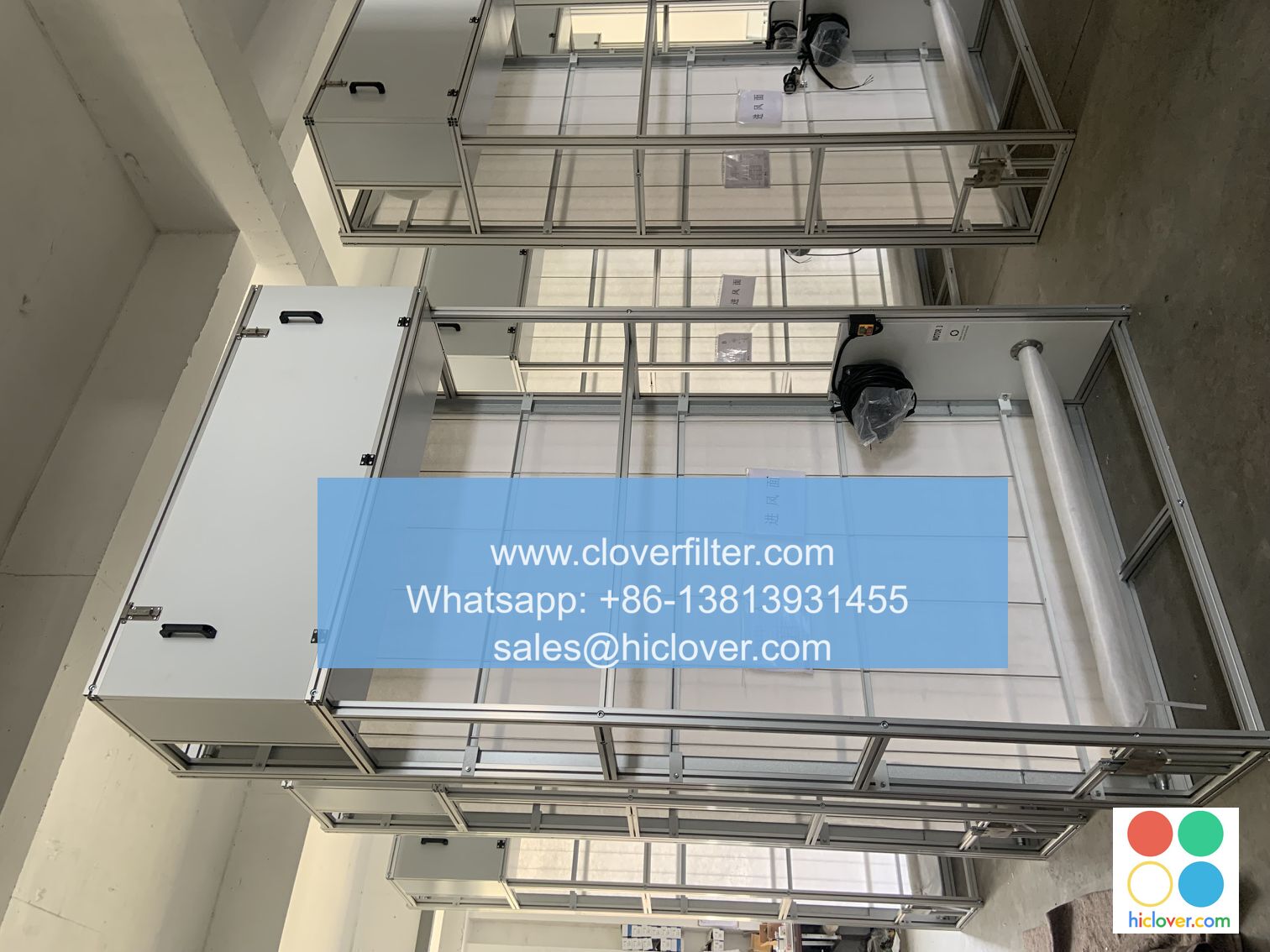
Choosing the right air filter for your residential building is a critical aspect of maintaining indoor air quality. Air filters play a significant role in trapping dust, allergens, and other harmful particles, ensuring a healthier living environment. In this guide, we’ll explore air filter sizing, its importance, and the various application areas where different types of filters may be used.
Understanding Air Filter Sizes

Air filters are available in various sizes and types, and selecting the appropriate one can enhance both the efficiency of your heating, ventilation, and air conditioning (HVAC) system and the overall air quality in your home.
The most common metrics for air filter sizing include:
- Dimensions: Typically given in inches, dimensions can include length, width, and depth.
- Minimum Efficiency Reporting Value (MERV): This rating measures how efficiently a filter captures particles of different sizes.
- Air Changes per Hour (ACH): This measurement determines how often the air within a space is replaced, impacting the size and capacity of the filter needed.

Why Proper Sizing Matters
Using the right size air filter is essential for several reasons:
- Energy Efficiency: An incorrectly sized filter can lead to increased energy usage as the HVAC system works harder to circulate air.
- Air Quality: A filter that is too large or too small may not effectively trap airborne particles, compromising indoor air quality.
- System Longevity: Properly sized filters help reduce strain on the HVAC system, extending its lifespan.
Steps to Determine Air Filter Size
Determining the proper air filter size involves a few steps:
- Measure Your Filter Slot: Remove the existing filter and measure its dimensions. Be sure to measure the length, width, and thickness accurately.
- Consider MERV Ratings: Determine the MERV rating recommended for your living situation. Higher MERV ratings improve filtration but may restrict airflow.
- Consult Your HVAC System Specifications: Always refer to your HVAC manufacturer’s specifications to find optimal filter sizes and types.
Application Areas for Different Filter Types
Different residential environments may require various filter types based on specific application areas:
1. Allergies and Respiratory Issues
For homes with residents who have allergies or respiratory conditions, using a HEPA (High-Efficiency Particulate Air) filter is advisable. These filters can capture a significant percentage of airborne particles, including pollen, pet dander, and dust mites.
2. Homes with Pets
Pet owners should consider high-MERV filters designed for odor and hair capture. These filters effectively eliminate allergens and irritants that can affect indoor air quality.
3. Urban Residences
In urban settings, where pollution levels might be higher, filters with a high MERV rating can help in trapping fine particulate matter (PM2.5) and other pollutants, creating a healthier living environment.
4. Sensitive Environments
For homes with infants, the elderly, or immunocompromised individuals, using enhanced filtration solutions with UV light and antimicrobial properties can help in maintaining optimal air quality.
Conclusion
Selecting the right air filter size for your residential building is not merely a technicality; it profoundly impacts your air quality, energy consumption, and HVAC system performance. By understanding how to measure, what specifications to follow, and where different filters apply, homeowners can create a healthier and more comfortable environment.
For more information on air filter sizing and options available for your needs, consult with a qualified HVAC professional who can provide tailored recommendations for improving your indoor air quality.
Sure! What kind of prompt are you looking for? It could be for creative writing, a discussion topic, a story starter, or something else entirely. Let me know how I can assist you!
