Air Filter Software for Railway and Metro Systems
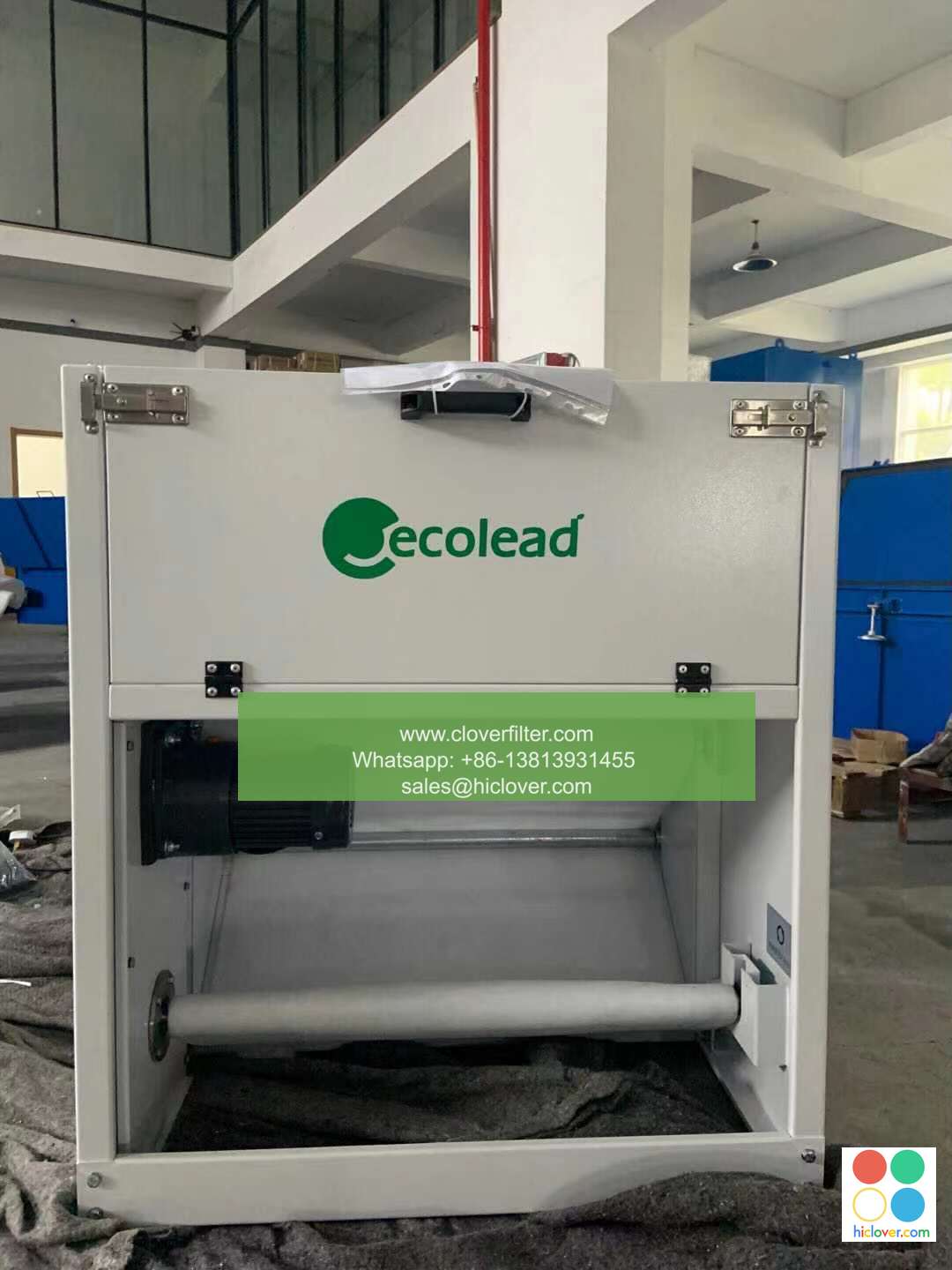
The railway and metro systems are a crucial part of the public transportation infrastructure, catering to millions of passengers daily. Ensuring the air quality within these systems is essential for the health, comfort, and safety of passengers and staff. This is where air filter software comes into play, offering a comprehensive solution to monitor, control, and optimize air filtration systems. In this article, we will explore the importance of air filter software for railway and metro systems, its key features, and various application areas.
Importance of Air Filter Software
Air filter software is designed to manage and maintain the air filtration systems in railway and metro stations, trains, and tunnels. The software helps to monitor air quality parameters such as particulate matter (PM), nitrogen dioxide (NO2), ozone (O3), and carbon monoxide (CO) levels, ensuring they are within the acceptable limits. By optimizing air filter performance, the software reduces the risk of air pollution, health hazards, and system downtime. Moreover, it helps to extend the lifespan of air filters, reducing maintenance costs and environmental impact.
Key Features of Air Filter Software
The air filter software for railway and metro systems typically includes the following features:
* Real-time monitoring of air quality parameters
* Automated alerts and notifications for filter maintenance and replacement
* Filter performance analysis and optimization
* Energy efficiency management to minimize energy consumption
* Integration with building management systems (BMS) and supervisory control and data acquisition (SCADA) systems
* Data analytics and reporting for informed decision-making
Application Areas
Air filter software has various application areas in railway and metro systems, including:
* Station air quality management: Monitoring and controlling air quality in stations, concourses, and platforms
* Train air quality management: Managing air quality inside trains, including passenger cars and driver cabins
* Tunnel ventilation management: Optimizing air flow and quality in tunnels to prevent pollution and health risks
* Depot and maintenance facility management: Ensuring good air quality in areas where trains are maintained and repaired
* Passenger information systems: Providing real-time air quality information to passengers through digital displays and mobile apps

Benefits of Air Filter Software
The implementation of air filter software in railway and metro systems offers numerous benefits, including:
* Improved air quality for passengers and staff
* Enhanced passenger experience and comfort
* Reduced maintenance costs and energy consumption
* Increased system reliability and uptime
* Compliance with regulations and industry standards
In conclusion, air filter software is a vital component of railway and metro systems, ensuring the health, safety, and comfort of passengers and staff. By monitoring, controlling, and optimizing air filtration systems, the software helps to reduce air pollution, minimize health risks, and improve overall system performance. As the railway and metro industries continue to evolve, the importance of air filter software will only continue to grow, making it an essential tool for transportation authorities, system operators, and passenger safety. It looks like you haven’t given me a prompt yet. What would you like to talk about or ask? I can help with a wide range of topics, from science and history to entertainment and culture. I can also generate text or images for you, or even just chat with you about your day. What’s on your mind?
