Air Filter Standards in the Oil and Gas Industry
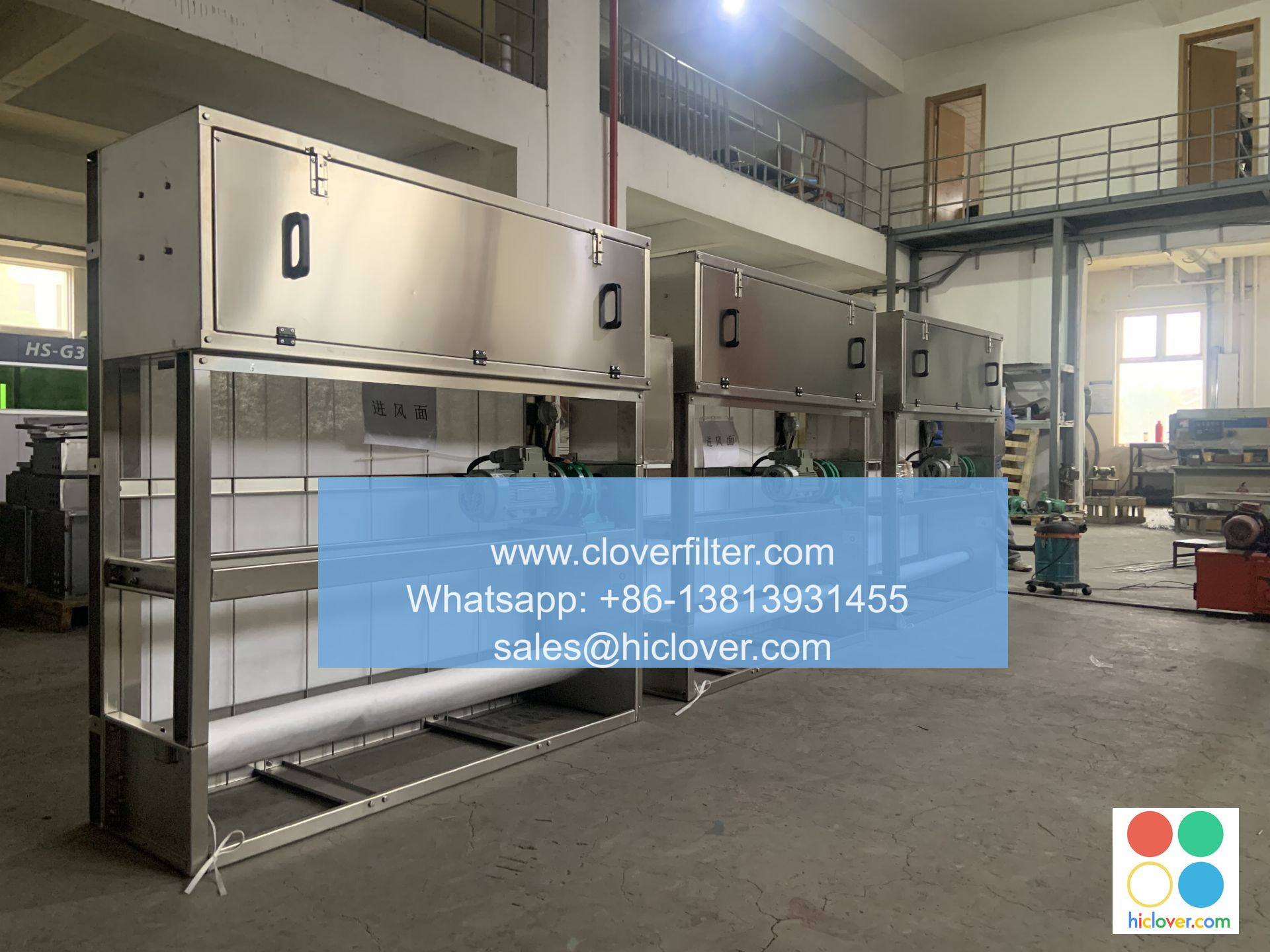
The oil and gas industry is a critical sector that requires high-performance air filtration systems to ensure the smooth operation of equipment, protect the environment, and safeguard human health. In this article, we will delve into the air filter standards in the oil and gas industry, highlighting various application areas, filtration technologies, and regulatory requirements.
Overview of Air Filter Standards
Air filter standards in the oil and gas industry are designed to provide a framework for selecting, testing, and maintaining air filtration systems. These standards are developed by organizations such as the American Society of Mechanical Engineers (ASME), International Organization for Standardization (ISO), and National Fire Protection Association (NFPA). The primary goal of these standards is to ensure that air filtration systems can capture particulate matter (PM), gases, and vapors efficiently, preventing equipment damage, and minimizing environmental and health risks.
Application Areas in the Oil and Gas Industry
Air filtration systems are used in various application areas in the oil and gas industry, including:
* Drilling and production: Air filters are used to protect drilling equipment and production facilities from particulate matter and gases that can cause damage and corrosion.
* Refining and processing: Air filtration systems are used to remove impurities and contaminants from air streams in refineries and processing plants.
* Gas processing and transmission: Air filters are used to protect gas processing equipment and transmission pipelines from moisture and contaminants that can cause corrosion and damage.
Filtration Technologies and Standards
Various filtration technologies are used in the oil and gas industry, including:
* HEPA (High Efficiency Particulate Air) filters: These filters are designed to capture 99.97% of particles as small as 0.3 microns.
* Activated carbon filters: These filters are used to remove gases and vapors from air streams.
* Coalescing filters: These filters are used to remove liquids and particulate matter from air streams.
The ISO 29463 standard provides guidelines for the selection, testing, and maintenance of air filtration systems in the oil and gas industry. The ASME AG-1 standard provides guidelines for the design, testing, and maintenance of air filtration systems in gas turbine applications.

Regulatory Requirements
The oil and gas industry is subject to various regulatory requirements, including:
* Environmental Protection Agency (EPA) regulations: The EPA regulates air emissions from oil and gas facilities under the Clean Air Act.
* Occupational Safety and Health Administration (OSHA) regulations: OSHA regulates worker safety and environmental health in the oil and gas industry.
* National Institute for Occupational Safety and Health (NIOSH) regulations: NIOSH provides guidelines for respiratory protection and air quality monitoring in the oil and gas industry.
In conclusion, air filter standards in the oil and gas industry are critical for ensuring efficiency, safety, and environmental protection. By understanding the various application areas, filtration technologies, and regulatory requirements, oil and gas companies can select and maintain effective air filtration systems that meet the highest standards of performance and safety. You’ve provided a prompt, but it doesn’t contain a question or topic for me to address. Could you please provide more context or clarify what you would like to discuss? I’m here to help and will do my best to provide a complete and uncensored response. What’s on your mind?
