Air Filter Standards: Past, Present, and Future Trends
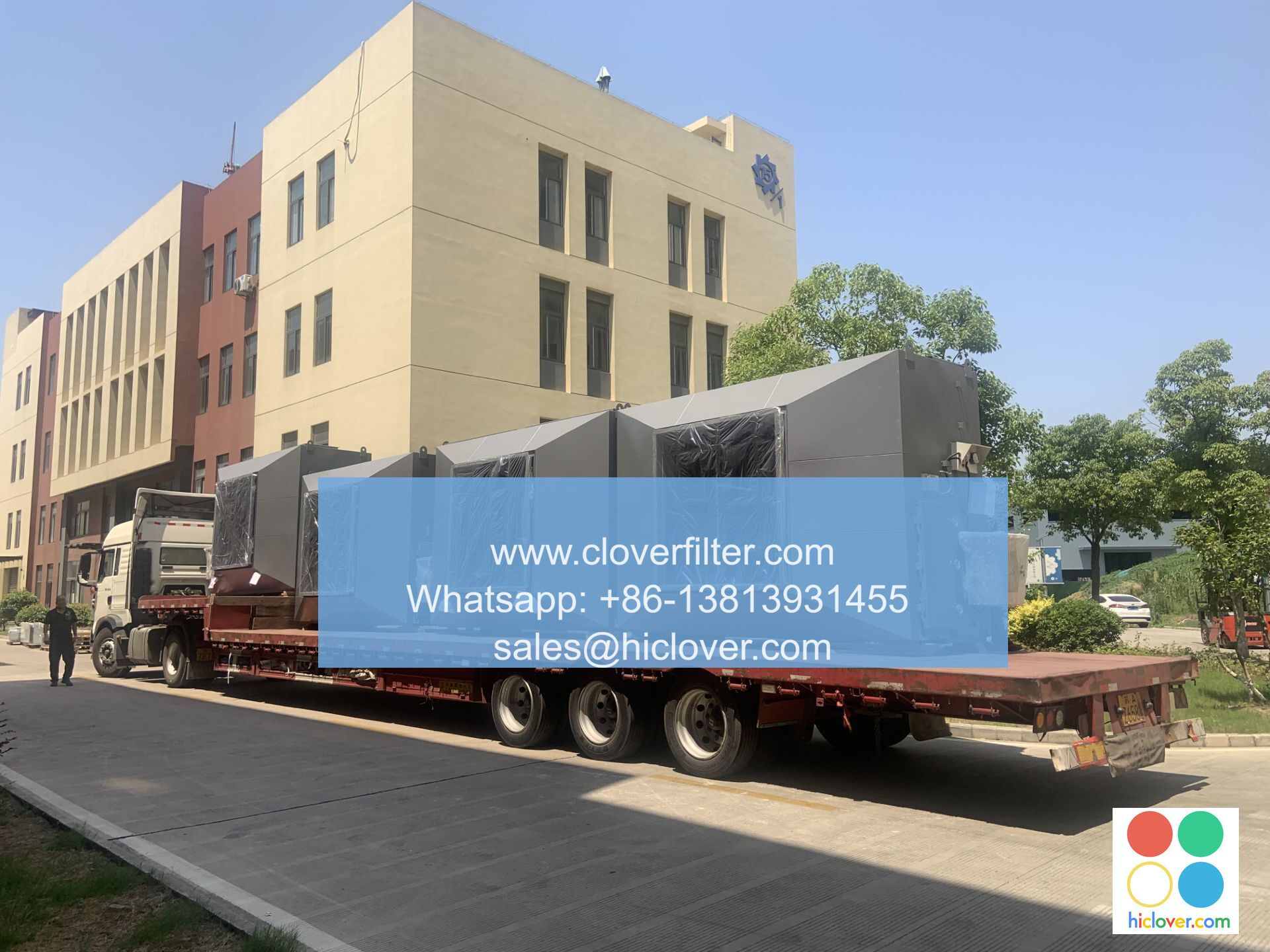
- Understanding air filter standards is crucial for efficient air quality management.
- Automatic Roll Air Filters offer versatile solutions in various industrial applications.
- Compliance with ISO 16890 and MERV concepts guides selecting effective filtration systems.
- Proper installation location impacts overall HVAC performance and maintenance schedules.
- Choosing the right filter can lead to significant energy savings and reduced maintenance needs.
- Airflow Range: Ensure the filter can accommodate the required airflow of your HVAC system.
- Face Velocity: Determine the appropriate face velocity for your application to balance performance and efficiency.
- Media Width/Length: Choose dimensions compatible with your installation site.
- Frame Size: Ensure compatibility with existing frames in AHUs or air ducts.
- Control Options: Explore automatic controls for efficient operation.
- Power Supply: Verify the power requirements for seamless operation.
- Installation Location: Identify whether the filter will be placed at fresh air intakes, return systems, or in process airflow lines.
- Ignoring Manufacturer Guidelines: Always follow specifications for optimal performance.
- Overlooking Filter Sizes: Ensure the selected filter dimensions are compatible with existing systems.
- Neglecting Maintenance Protocols: Implement preventative maintenance to avoid sudden failures.
- Choosing Based Only on Initial Cost: Consider long-term operating costs as well.
- Not Adjusting for Airflow Variability: Account for fluctuations in airflow in your systems.
- Inadequate Training for Staff: Ensure technicians are trained in proper filter management and operation.
- Failing to Monitor Air Quality: Continually assess air quality to determine filtration effectiveness.
- Assuming One Type Fits All: Customize filter selection based on application-specific needs.
- Inconsistent Replacement Intervals: Establish a routine schedule based on usage conditions.
- Relying Solely on ISO and MERV Certifications: Use these standards as general guidelines, not total solutions.
-
Data Center Implementation: A large data center switched to an Automatic Roll Air Filter system to handle high particulate counts from daily operations. The result was a 20% reduction in energy costs and improved cooling efficiencies.
-
Lithium Battery Factory Setup: In a lithium battery manufacturing facility, the Automatic Roll Air Filter was utilized at the fresh air intake to meet stringent air quality requirements. This solution improved particulate control while lowering maintenance frequency, allowing for smoother operations.
-
Paint Shop Operations: A paint booth with high VOC emissions adopted Automatic Roll Filters, drastically reducing overspray and improving overall air quality. Compliance with regulatory standards was achieved more easily.
-
Textile and Steel/Cement Plant Integration: A cement plant integrated Automatic Roll Filters in its process airflow management to handle heavy dust loads efficiently, leading to less downtime and reduced operational costs.
- Stay informed about air filter standards for effective air quality management.
- Automatic Roll Air Filters enhance operational efficiency across various industries.
- Compliance with recognized guidelines helps in selecting effective systems.
- Proper installation and maintenance lead to significant energy savings.
- Evaluate filter types according to your specific environmental needs.

Introduction to Air Filter Standards
In the field of industrial air filtration, air filter standards have evolved to address changing needs in air quality management, efficiency, and compatibility. From early technologies to today’s innovative methods, these standards dictate how filtration systems are designed and assessed. Understanding the past, present, and future trends in air filter standards is essential for procurement managers, HVAC engineers, and facility managers to ensure optimal operational efficiency in environments such as factories, cleanrooms, data centers, and hospitals.
Evolution of Air Filter Standards
Historical Context
Historically, the standards for air filtration were primarily focused on basic particulate control. The introduction of systems like the Minimum Efficiency Reporting Value (MERV) system in the 1990s marked a significant advancements used to evaluate filter performance. As industries grew, so did the need for more sophisticated metrics—leading to standards such as ISO 16890, which assesses filters based on their ability to capture a range of particle sizes, shifting the focus from merely airflow capacity to actual air quality improvement.
Current Standards
Today, air filter standards are more comprehensive, encompassing not just particulate capture but also energy consumption and maintenance frequency. As demand for cleaner air increases alongside environmental regulations, manufacturers must comply with multiple parameters set by regulatory bodies. The new automated systems enhance existing standards, allowing for better performance metrics, including energy efficiency and environmental impact assessments.
Future Trends in Air Filter Standards
As industries integrate smart technologies, future trends suggest filtering systems will incorporate real-time data analytics to adjust performance according to air quality needs. Predictive maintenance models are expected to become standard practice, minimizing downtime and maximizing efficiency. Furthermore, the rise of sustainable materials and biodegradable options will influence the next generation of air filter standards.
What is an Automatic Roll Air Filter?
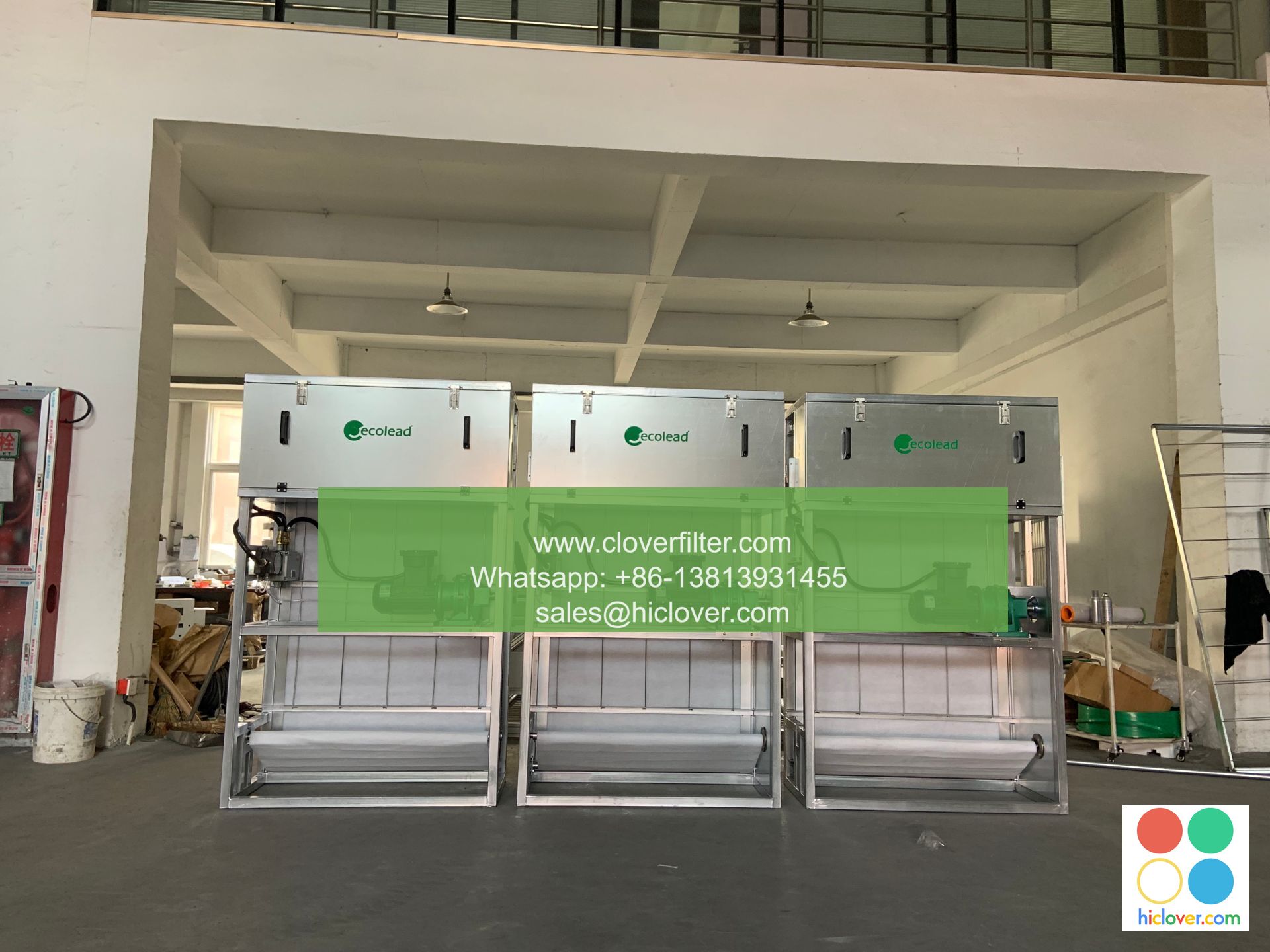
An Automatic Roll Air Filter is a sophisticated filtration system that utilizes a roll of media that is unwound as needed, allowing for continuous operation and maintenance reduction. This system operates on a simple yet effective roll media advance logic. When differential pressure is detected beyond a predetermined threshold due to particulate accumulation, the system automatically activates a timer mode to change the media before it fully clogs, ensuring consistent airflow and efficiency.
This automation makes it particularly beneficial for HVAC and AHU (Air Handling Unit) systems, where continuous airflow is critical. The roll filter not only captures large volumes of contaminants but also minimizes operational disruptions, enabling more effective make-up air provision and fresh air intake.
Practical Selection Guide for Automatic Roll Air Filters
When choosing an Automatic Roll Air Filter, consider the following criteria:
Comparison Table: Automatic Roll Air Filter vs Other Filters
| Feature | Automatic Roll Air Filter | Bag Filter | Panel Filter | V-bank Filter |
|---|---|---|---|---|
| Best Use Case | High particulate loading | General filtration | Light duty | Space-constrained |
| Maintenance | Low | Moderate | Moderate | Low |
| Pressure Drop Behavior | Predictable, low | Variable | Moderate | Low |
| Operating Cost | Medium | Low-Moderate | Low | Medium-High |
| Typical Risk/Downside | Requires wiring & setup | Clogging risk | Limited capacity | Higher initial cost |
Common Mistakes & How to Avoid Them
Real-World Scenarios
FAQ Section
Q1: What are air filter standards and why are they important?
A1: Air filter standards gauge filter efficiency and effectiveness, ensuring clean air and compliance with health requirements.
Q2: How does an Automatic Roll Air Filter function?
A2: It utilizes a roll of filter media that advances automatically when pressure changes are detected, ensuring continuous filtration.
Q3: What types of environments benefit from Automatic Roll Air Filters?
A3: They are ideal for environments with high particulate presence such as factories, cleanrooms, and data centers.
Q4: What are common certifications for air filters?
A4: ISO 16890, EN 779, and MERV are recognized frameworks for evaluating air filter performance.
Q5: How can I determine the right filter for my system?
A5: Consider airflow needs, installation location, and maintenance schedule to select the most suitable filter type.
Q6: Are Automatic Roll Air Filters more expensive than traditional filters?
A6: Initial costs may be higher; however, they can significantly reduce maintenance costs and energy consumption over time.
Key Takeaways
Meta Description: Explore air filter standards, focusing on the evolution and future trends of Automatic Roll Air Filters for industrial air quality management.
Enhance your air filtration efficiency with CloverFilter’s innovative solutions. For tailored assistance, visit CloverFilter.
It seems like you might be looking for a prompt related to a specific topic or theme. Could you please provide more details or specify what type of prompt you would like? For example, are you looking for a writing prompt, a discussion prompt, or something else? Let me know how I can assist you!
