Air Filter Support for Commercial Buildings
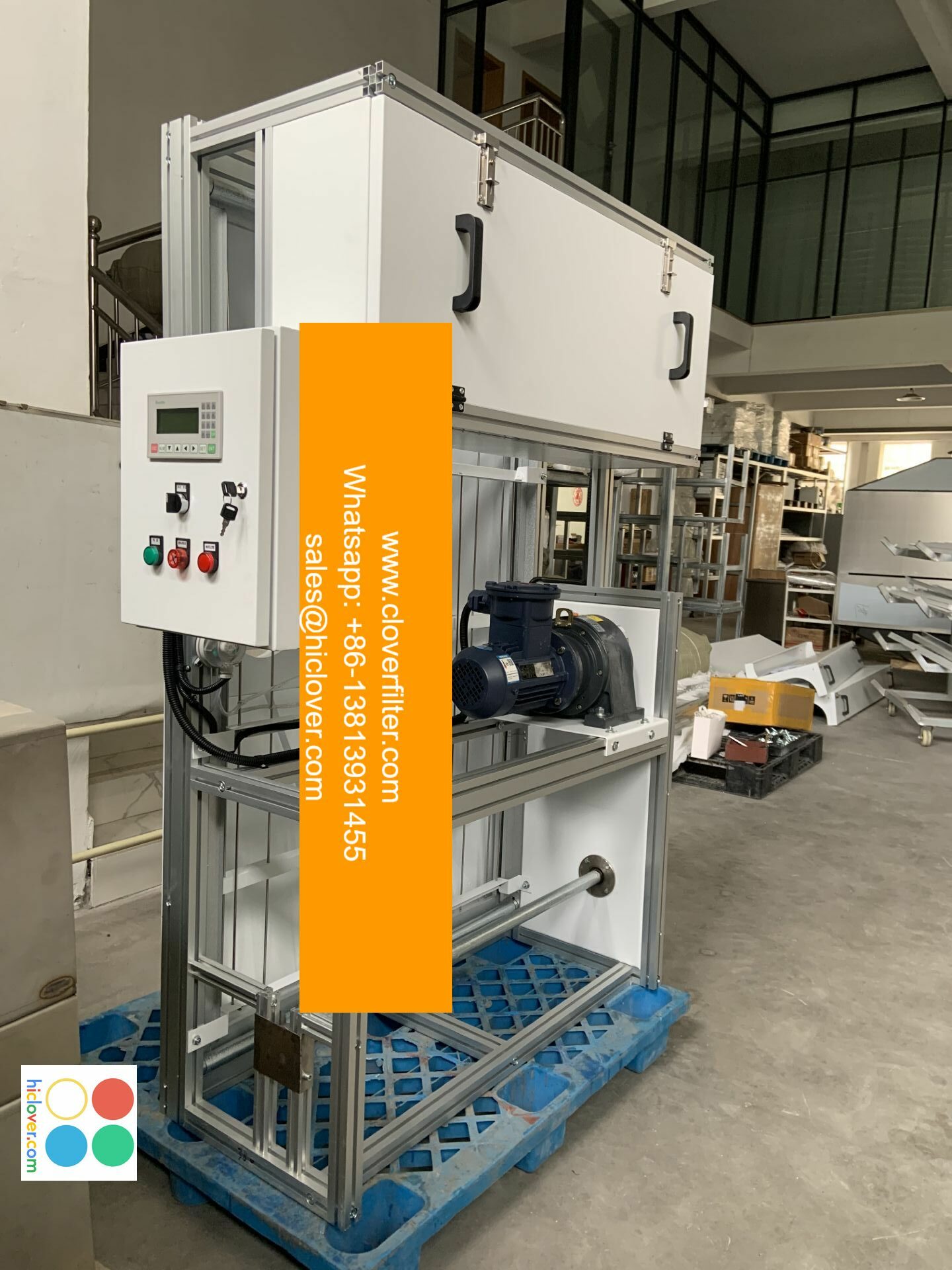
Commercial buildings require a well-designed and maintained air filtration system to provide a healthy and comfortable indoor environment for occupants. Air filter support is crucial in ensuring optimal indoor air quality, reducing energy consumption, and preventing equipment damage. In this article, we will discuss the importance of air filter support for commercial buildings, highlighting various application areas and key considerations.
Importance of Air Filter Support
Air filters play a critical role in maintaining good indoor air quality by removing airborne contaminants, such as dust, pollen, and bacteria. A well-supported air filter system can help prevent the spread of airborne diseases, reduce allergic reactions, and minimize the risk of equipment damage. Additionally, a properly functioning air filtration system can help reduce energy consumption, lower maintenance costs, and extend the lifespan of heating, ventilation, and air conditioning (HVAC) systems.
Application Areas for Air Filter Support
Air filter support is essential in various commercial building applications, including:
* Office Buildings: Air filter support is critical in office buildings to maintain a healthy and comfortable indoor environment for employees and visitors.
* Hospitals and Healthcare Facilities: In healthcare settings, air filter support is vital in preventing the spread of airborne diseases and ensuring a safe environment for patients, staff, and visitors.
* Industrial Facilities: Air filter support is necessary in industrial settings to prevent equipment damage, reduce downtime, and ensure a safe working environment for employees.
* Hotel and Hospitality Industry: Air filter support is essential in hotels, restaurants, and other hospitality establishments to provide a comfortable and healthy indoor environment for guests and staff.
* Data Centers and Server Rooms: Air filter support is critical in data centers and server rooms to prevent equipment damage, reduce downtime, and ensure reliable operation.
Key Considerations for Air Filter Support
When selecting and maintaining air filters for commercial buildings, several key considerations must be taken into account, including:
* Filtration Efficiency: The air filter’s ability to capture airborne contaminants, measured by its Minimum Efficiency Reporting Value (MERV) rating.
* Filter Maintenance: Regular cleaning, replacement, and disposal of air filters to ensure optimal performance and prevent equipment damage.
* Filter Compatibility: Ensuring the air filter is compatible with the HVAC system and other equipment to prevent damage and ensure reliable operation.
* Energy Efficiency: Selecting air filters that are designed to minimize energy consumption and reduce the building’s carbon footprint.
* Indoor Air Quality Monitoring: Regularly monitoring indoor air quality to identify potential issues and ensure the air filter system is functioning effectively.

Best Practices for Air Filter Support
To ensure optimal air filter support for commercial buildings, the following best practices should be followed:
* Regular Maintenance: Regularly inspect and maintain air filters to ensure optimal performance and prevent equipment damage.
* Filter Upgrades: Upgrading air filters to higher-efficiency models to improve indoor air quality and reduce energy consumption.
* System Integration: Integrating air filters with other building systems, such as HVAC and energy management systems, to optimize performance and efficiency.
* Training and Education: Providing training and education to building operators and maintenance staff on air filter selection, installation, and maintenance.
In conclusion, air filter support is essential for commercial buildings to ensure optimal indoor air quality, reduce energy consumption, and prevent equipment damage. By highlighting various application areas and key considerations, building owners and operators can make informed decisions when selecting and maintaining air filters. By following best practices and considering filtration efficiency, filter maintenance, filter compatibility, energy efficiency, and indoor air quality monitoring, commercial buildings can provide a healthy and comfortable indoor environment for occupants while minimizing energy consumption and reducing maintenance costs. It seems like you started to give me a prompt, but it got cut off. Could you please complete your thought or provide more details about what you’re looking for? I’m here to help with any questions or topics you’d like to discuss!
