Air Filter Systems for Allergies: Which Ones Work Best?

- Key Takeaways:
- Effective air filter systems can significantly improve indoor air quality.
- Automatic Roll Air Filters feature advanced roll media technology for efficient particulate control.
- Understanding your airflow requirements is crucial in selecting the right filter.
- Regular maintenance and monitoring can reduce operational costs.
- Compliance with industry standards, like ISO 16890, ensures reliability and performance.
Understanding Air Filter Systems and Their Role in Allergy Control
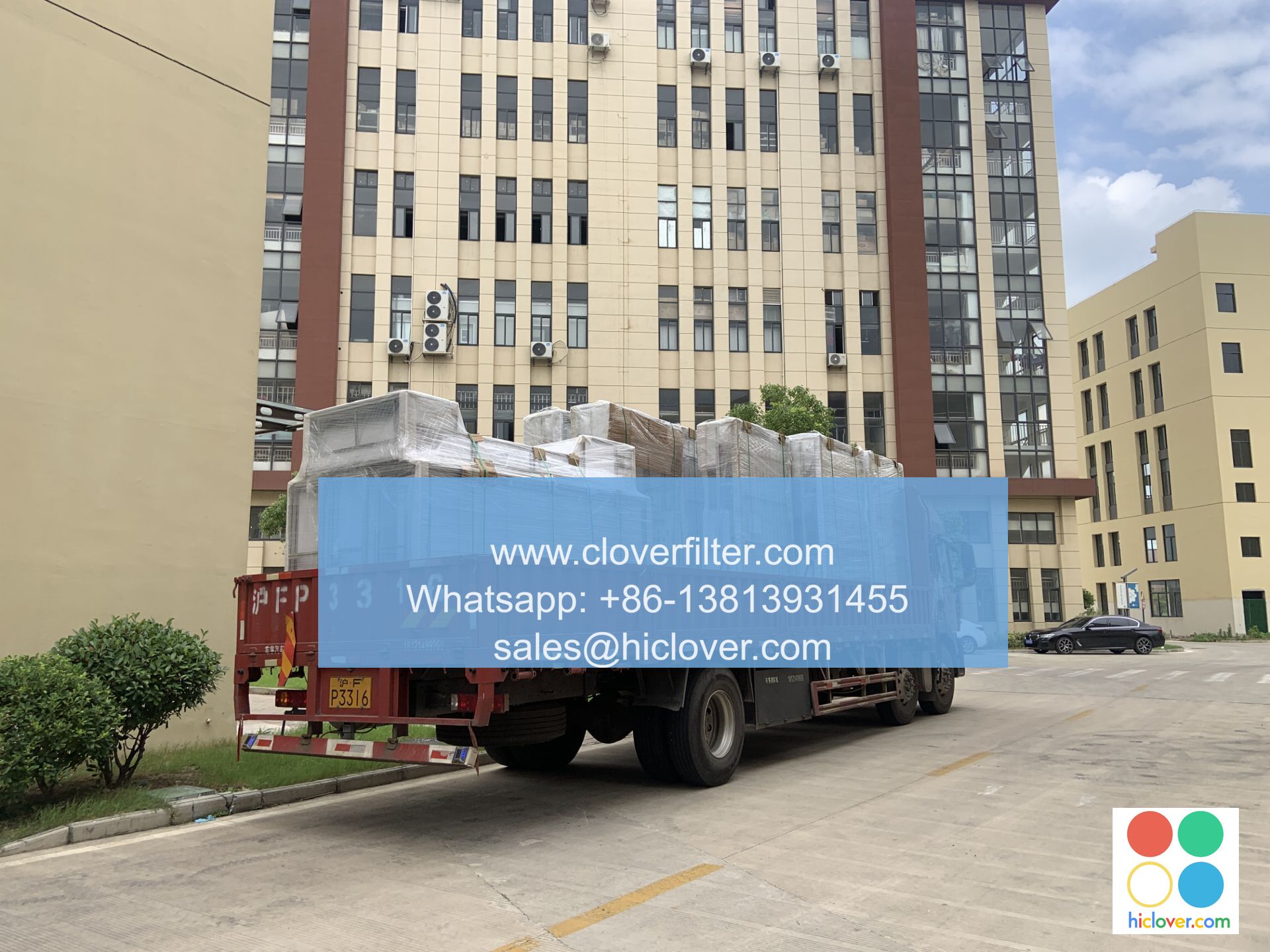
Air filter systems are essential for maintaining indoor air quality in various facilities such as hospitals, cleanrooms, and factories. They function by capturing airborne particles, allergens, and other pollutants that can provoke allergies and respiratory issues. The choice of air filter systems can be pivotal in reducing allergies, especially for procurement managers and facility engineers responsible for HVAC systems.
What is an Automatic Roll Air Filter?
An Automatic Roll Air Filter is a sophisticated air filtration solution designed for high-efficiency particulate air (HEPA) applications. These systems utilize a roll media that advances automatically, enabling continuous filtration without the frequent need for manual replacement. They work by employing a differential pressure trigger mechanism; when the pressure drop across the filter reaches a predetermined level, the roll media advances, presenting a fresh filtration surface. This method not only enhances particulate control but also minimizes maintenance.
Features and Benefits of Automatic Roll Air Filters
- Roll Media Advance Logic: Automates the process of changing the filter media.
- Differential Pressure Trigger: Operates continuously until a specific pressure drop indicates a need for fresh media.
- Timer Mode: Allows programmable operation intervals based on airflow conditions or facility needs.
- Airflow Range: Determine the required airflow for your application.
- Face Velocity: Establish the optimal velocity for air passing through the filter.
- Media Width/Length: Assess the required size based on installation location.
- Frame Size: Consider compatibility with existing HVAC infrastructure.
- Control Options: Evaluate automation features, including timer and pressure triggers.
- Power Supply: Check compatibility with your facility’s electrical systems.
- Installation Location: Identify whether the filter will be installed at fresh air intake, return, or process points.
- Underestimating Airflow Needs: Always calculate airflow accurately before selecting a filter.
- Neglecting Maintenance Requirements: Ensure that maintenance workflows are established to keep systems optimally functioning.
- Choosing the Wrong Filter Type: Match the filter system to your specific application for the best results.
- Ignoring Compatibility Issues: Confirm that your chosen filter fits within your existing HVAC infrastructure.
- Failing to Monitor Performance: Use pressure gauges and airflow monitors to keep track of filter efficiency.
- Inadequate Staff Training: Ensure that personnel are trained on how to operate and maintain the filters properly.
- Overlooking Filter Certification: Verify claims regarding efficiency ratings and compliance with standards like ISO 16890.
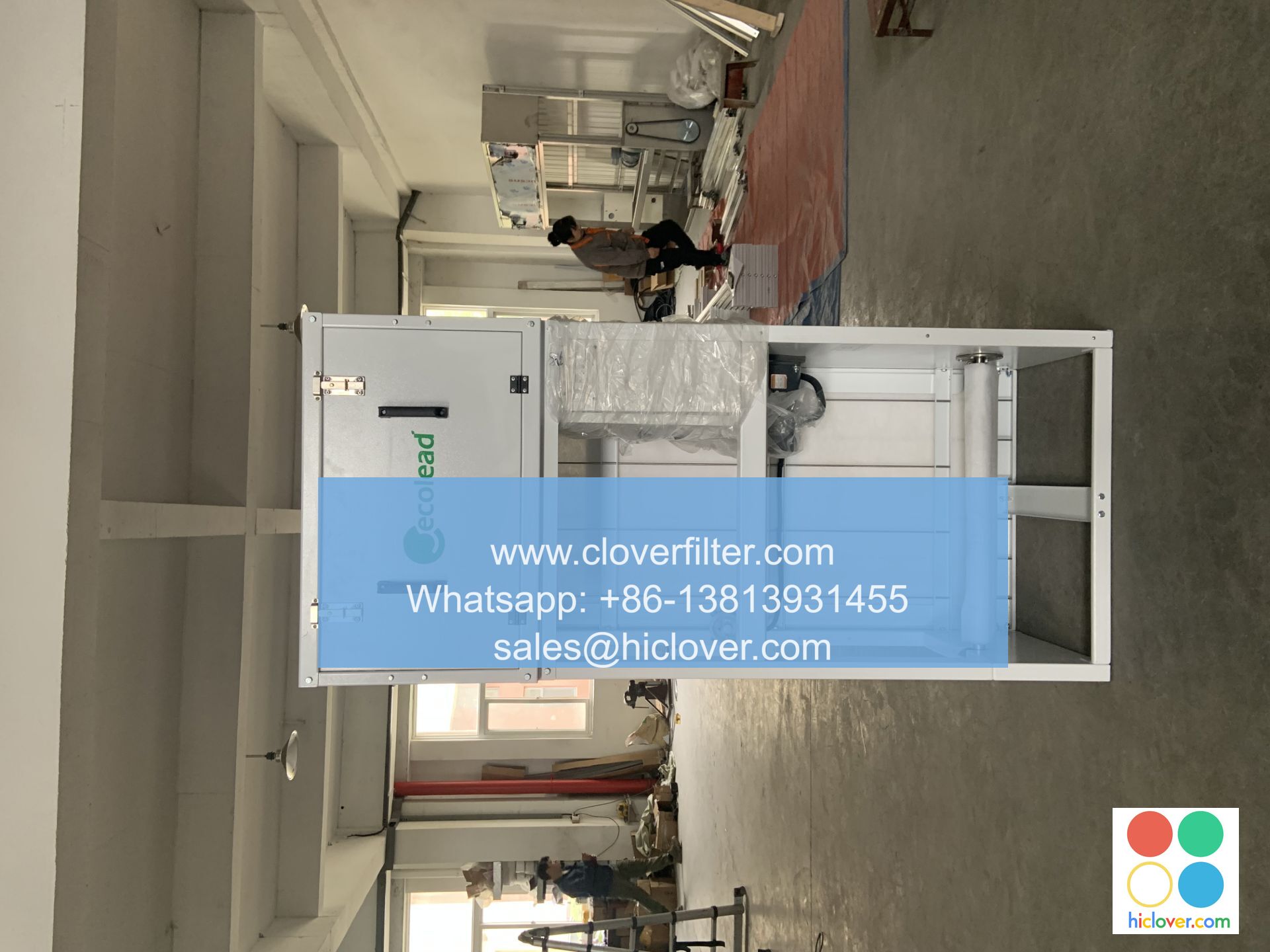
By incorporating these systems into HVAC and AHU configurations, facility managers can achieve significant energy savings and ensure better air quality, vital for environments where allergens pose significant risks.
Practical Selection Guide for Air Filter Systems
Selecting the right air filter systems involves careful consideration of several parameters. Here’s a practical guide to help you choose the most suitable option:
Comparative Analysis of Air Filter Systems
To help illustrate the options available, below is a table comparing an Automatic Roll Air Filter with other common filter types.
| Filter Type | Best Use Case | Maintenance | Pressure Drop Behavior | Operating Cost | Typical Risk/Downside |
|---|---|---|---|---|---|
| Automatic Roll Air Filter | High-efficiency applications in sensitive areas | Low, auto maintenance | Consistently low | Moderate | Higher initial cost; requires space |
| Bag Filter | General industrial use | Moderate | Moderate | Low | Bulky; prone to bypass at high loads |
| Panel Filter | Commercial buildings | High | High | Low | Frequent replacement needed |
| V-bank | Large buildings | Moderate | Low | Moderate | May require more HVAC adjustments |
Common Mistakes & How to Avoid Them
Real-World Scenarios
Data Center
In a data center, maintaining optimal air quality is essential, as dust and particulate matter can damage sensitive technology. An Automatic Roll Air Filter was installed to continuously manage airflow, leading to reduced maintenance costs and longer-lasting equipment.
Battery Factory
At a lithium battery plant, airborne contaminants can adversely affect production quality. The facility manager utilized CloverFilter’s Automatic Roll Air Filter to enhance air purity, ensuring a cleaner environment, reducing particulate accumulation, and enhancing worker safety.
Paint Shop
In a paint booth, VOCs and other toxins are common. The implementation of Automatic Roll Air Filters provided effective filtration of harmful particles, resulting in compliance with safety standards and creating a healthier workspace for employees.
Textile and Steel/Cement Plants
For industrial environments like textile and steel/cement plants, a robust filtration system is crucial. The Automatic Roll Air Filter’s ability to handle high particulate loads without significant pressure drops made it the perfect solution for ensuring compliance with health regulations while maintaining operational efficiency.
Conclusion
Selecting the right air filter systems is key in managing allergens and enhancing indoor air quality. Automatic Roll Air Filters, with their advanced technology and lower maintenance needs, are particularly beneficial for sensitive environments. By considering factors such as airflow demands and installation locations, you can ensure optimal performance and compliance. For more information on reliable air filtration solutions, visit CloverFilter.
Meta Description: Discover the best air filter systems for allergies and learn how automatic roll air filters outperform traditional options for managing indoor air quality effectively.
To explore innovative air filtration solutions tailored to your needs, contact CloverFilter through this link.
It seems you entered “Prompt” without further details. Could you please provide more context or specify what kind of prompt you’re looking for? Whether it’s a writing prompt, a question, or something else, I’m here to help!
