Air Filter Systems for Buses and Coaches
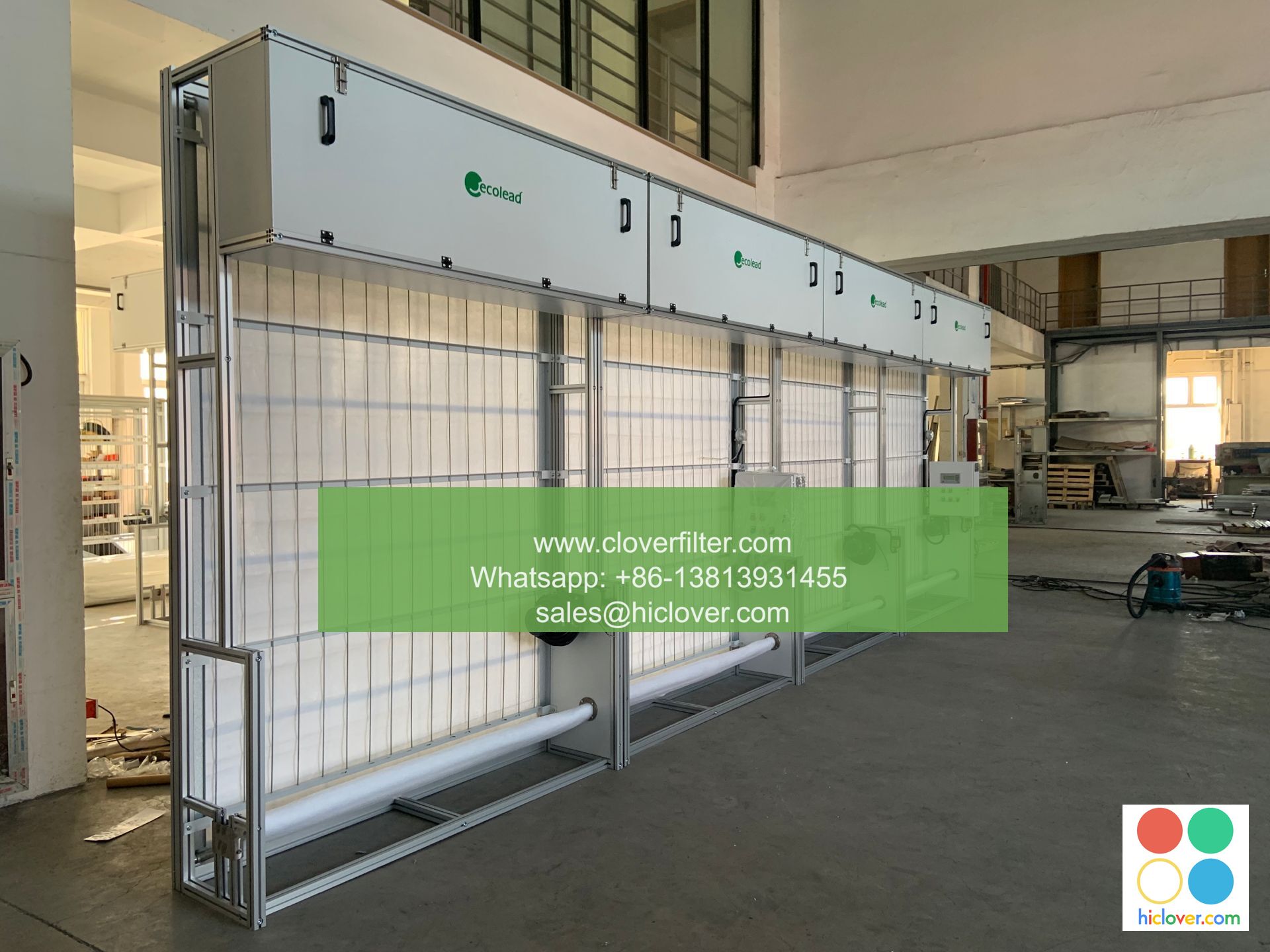
The importance of air filter systems for buses and coaches cannot be overstated. With the increasing awareness of air pollution and its impact on human health, it is crucial to ensure that the air inside these vehicles is clean and free from harmful particles. In this article, we will discuss the various aspects of air filter systems for buses and coaches, including their types, applications, and benefits.
Types of Air Filter Systems
There are several types of air filter systems available for buses and coaches, each with its own unique characteristics and advantages. Some of the most common types include:
* HEPA (High Efficiency Particulate Air) Filters: These filters are designed to capture 99.97% of particles as small as 0.3 microns, making them ideal for removing dust, pollen, and other airborne contaminants.
* Activated Carbon Filters: These filters are designed to remove gases, odors, and volatile organic compounds (VOCs) from the air, leaving it fresh and clean.
* Electrostatic Filters: These filters use an electrostatic charge to attract and trap particles, making them a popular choice for buses and coaches.
Applications of Air Filter Systems
Air filter systems have a wide range of applications in buses and coaches, including:
* Passenger Comfort: By removing allergens, bacteria, and other airborne contaminants, air filter systems can help improve passenger comfort and reduce the risk of illness.
* Driver Health: Drivers spend long hours behind the wheel, and air filter systems can help protect their health by removing pollutants and contaminants from the air.
* Vehicle Maintenance: Air filter systems can help reduce the wear and tear on vehicle engines and other components by removing dirt and debris from the air.
Benefits of Air Filter Systems
The benefits of air filter systems for buses and coaches are numerous, including:
* Improved Indoor Air Quality: By removing pollutants and contaminants from the air, air filter systems can help improve the overall indoor air quality inside the vehicle.
* Increased Passenger Satisfaction: By providing a clean and healthy environment, air filter systems can help increase passenger satisfaction and loyalty.
* Reduced Maintenance Costs: By removing dirt and debris from the air, air filter systems can help reduce the wear and tear on vehicle engines and other components, resulting in lower maintenance costs.
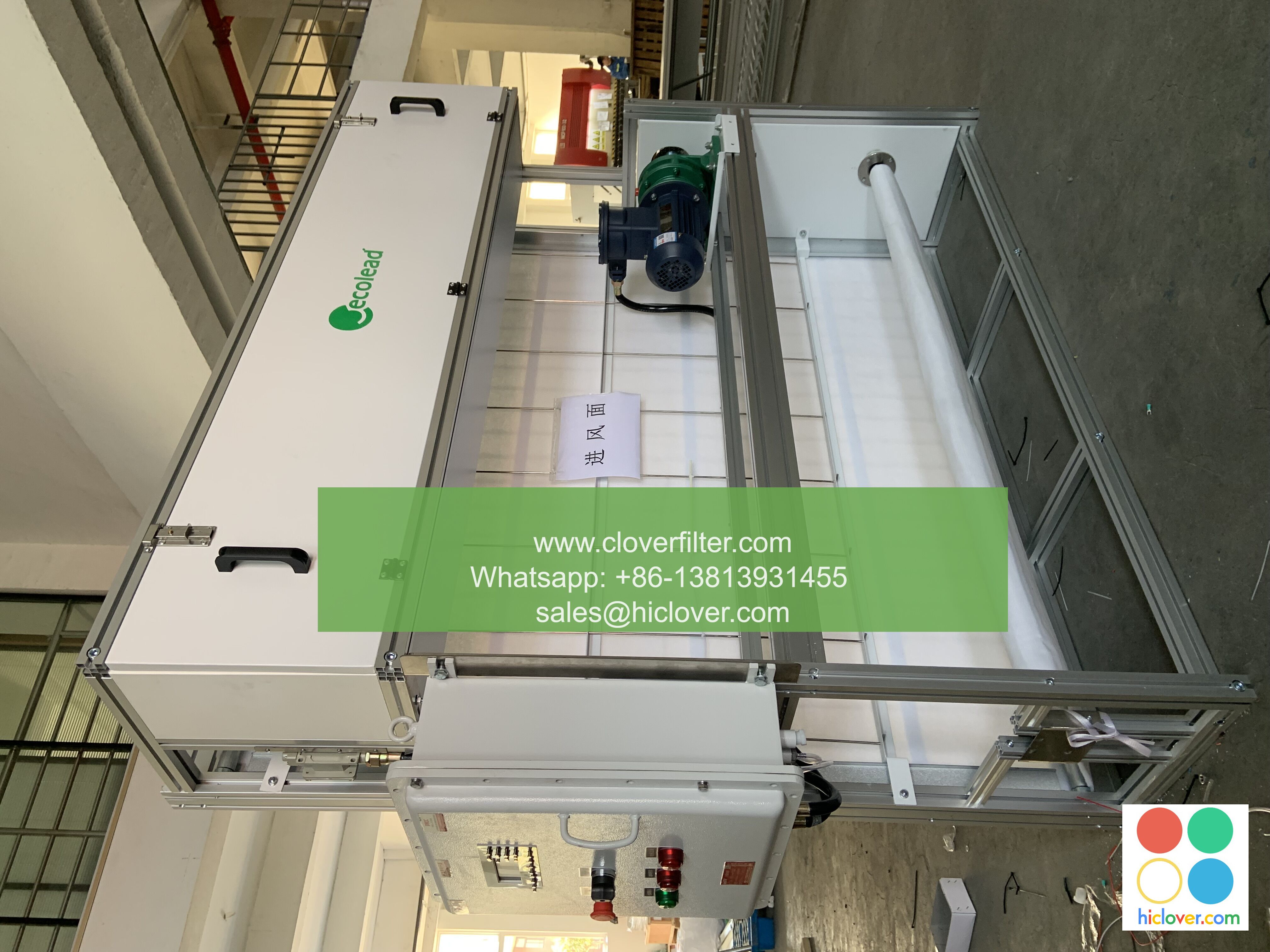
Key Considerations for Air Filter Systems
When selecting an air filter system for a bus or coach, there are several key considerations to keep in mind, including:
* Filter Efficiency: Look for filters with high efficiency ratings, such as HEPA or activated carbon filters.
* Filter Maintenance: Consider the maintenance requirements of the filter, including how often it needs to be replaced or cleaned.
* System Compatibility: Ensure that the air filter system is compatible with the vehicle’s existing HVAC system.
Conclusion
In conclusion, air filter systems are a crucial component of any bus or coach, providing a clean and healthy environment for passengers and drivers alike. By understanding the different types of air filter systems, their applications, and benefits, vehicle operators can make informed decisions about which system to choose. Whether you’re looking to improve passenger comfort, reduce maintenance costs, or simply provide a healthier environment, air filter systems are an essential investment for any bus or coach operator. It seems like you’re ready to start a conversation or ask a question, but you haven’t provided a specific prompt yet. Could you please provide more details or clarify what you’re looking for? I’m here to help with any questions or topics you’d like to discuss!
