Air Filter Systems for Construction and Demolition Sites: Best Practices and Recommendations

Construction and demolition (C&D) sites are often synonymous with dust, debris, and potentially harmful airborne particles. As regulations become stricter regarding air quality, the need for effective air filter systems has never been greater. This article delves into best practices and recommendations for implementing air filter systems on C&D sites to protect workers, nearby residents, and the environment.
Importance of Air Quality Management

Exposure to airborne contaminants can have serious health implications. Fine particulates, asbestos, silica dust, and other harmful materials can cause respiratory issues and other health problems. Effective air quality management is essential in these areas for several reasons:
- Worker Safety: Protecting the health and safety of construction workers by minimizing their exposure to harmful particulates.
- Regulatory Compliance: Meeting federal, state, and local regulations regarding air quality and emissions, which often mandate air monitoring and filtration.
- Community Relations: Reducing dust and pollution to foster good relationships with neighboring communities and mitigate public complaints.
Types of Air Filter Systems for C&D Sites
Implementing the right air filter system depends on the specific needs of the construction or demolition site. Common types include:
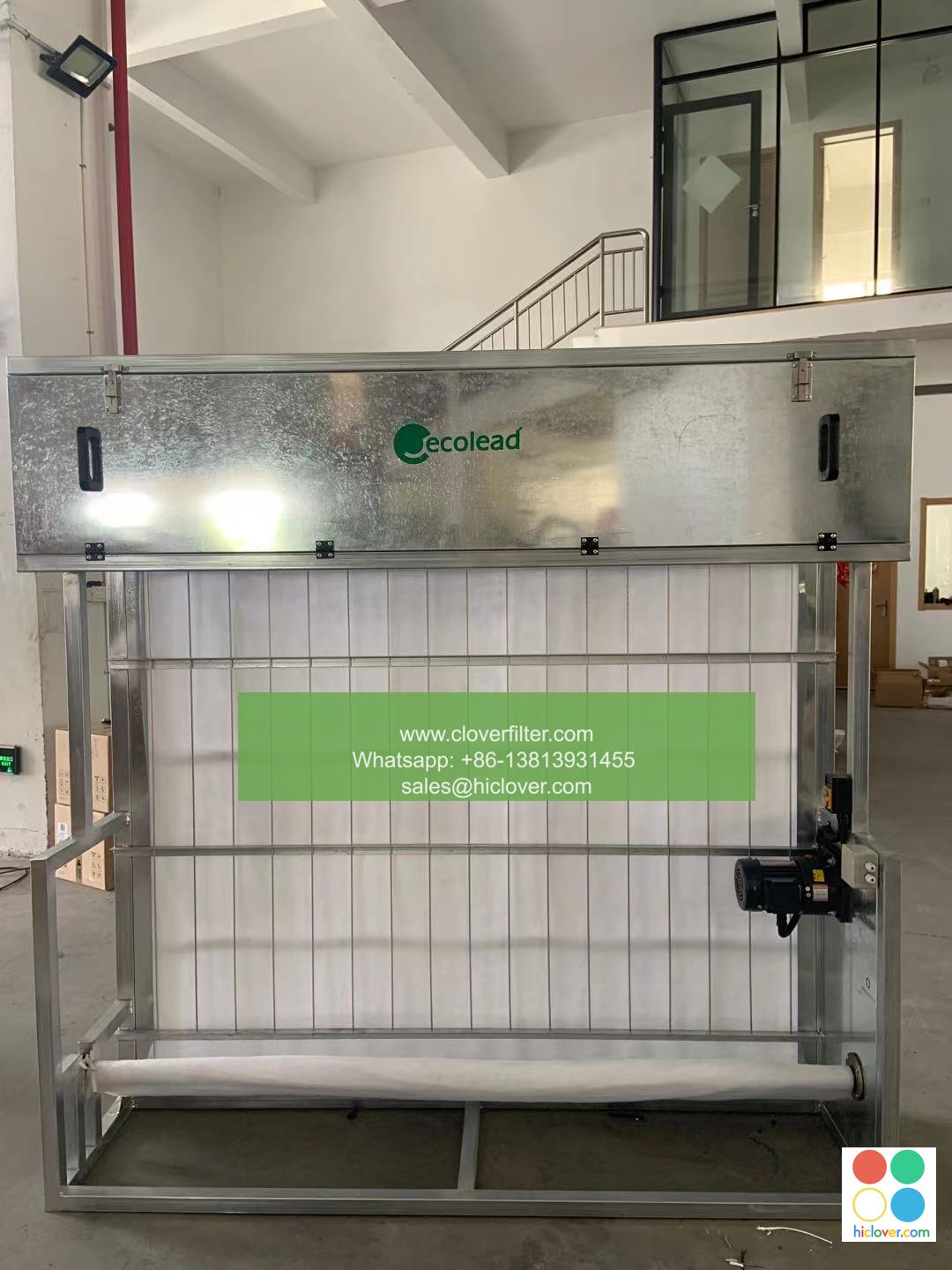
1. HEPA Filters
High-Efficiency Particulate Air (HEPA) filters are highly effective in capturing particles as small as 0.3 microns. These filters can significantly reduce the levels of harmful dust and are widely used in various applications, including:
- Renovation of buildings containing asbestos.
- Demolition projects with silica exposure risks.
2. Electrostatic Filters
These filters use electrical charges to attract and trap particles. They are particularly beneficial in environments with high moisture levels and can be an eco-friendly option as they are reusable.
3. Dust Suppression Systems
Using water sprays or chemical suppressants can help reduce airborne particulates during construction or demolition activities. These systems can be integral to a comprehensive air quality management strategy.
Best Practices for Implementing Air Filter Systems
To maximize the effectiveness of air filter systems, consider these best practices:
- Regular Monitoring: Continuous air quality monitoring is crucial for assessing pollutant levels in real-time and making necessary adjustments to the air filter systems.
- Maintenance and Replacement: Schedule regular maintenance and filter replacement as per manufacturer guidelines to ensure optimal performance.
- Training Personnel: Educate workers on the importance of air filtration and proper usage to enhance compliance and effectiveness at the site.
- Site-Specific Solutions: Tailor the air filter systems to the specific practices and hazards of the job site, considering factors such as project size, duration, and type of materials handled.
Regulatory Considerations
Stay informed about local and national regulations regarding air quality control on construction sites. Compliance is not just a legal obligation; it enhances site safety and protects public health. Engage with environmental health professionals to ensure your systems meet all required standards.
Conclusion
Incorporating robust air filter systems into construction and demolition sites is critical for safeguarding the health of workers and the local community. By following best practices, understanding the types of systems available, and remaining compliant with regulations, construction companies can significantly improve air quality, contributing to safer work environments and community well-being.
It looks like you might want some assistance with a writing prompt or some other topic. Could you provide more details or specify what you’re looking for?
