Air Filter Systems for Government Agencies
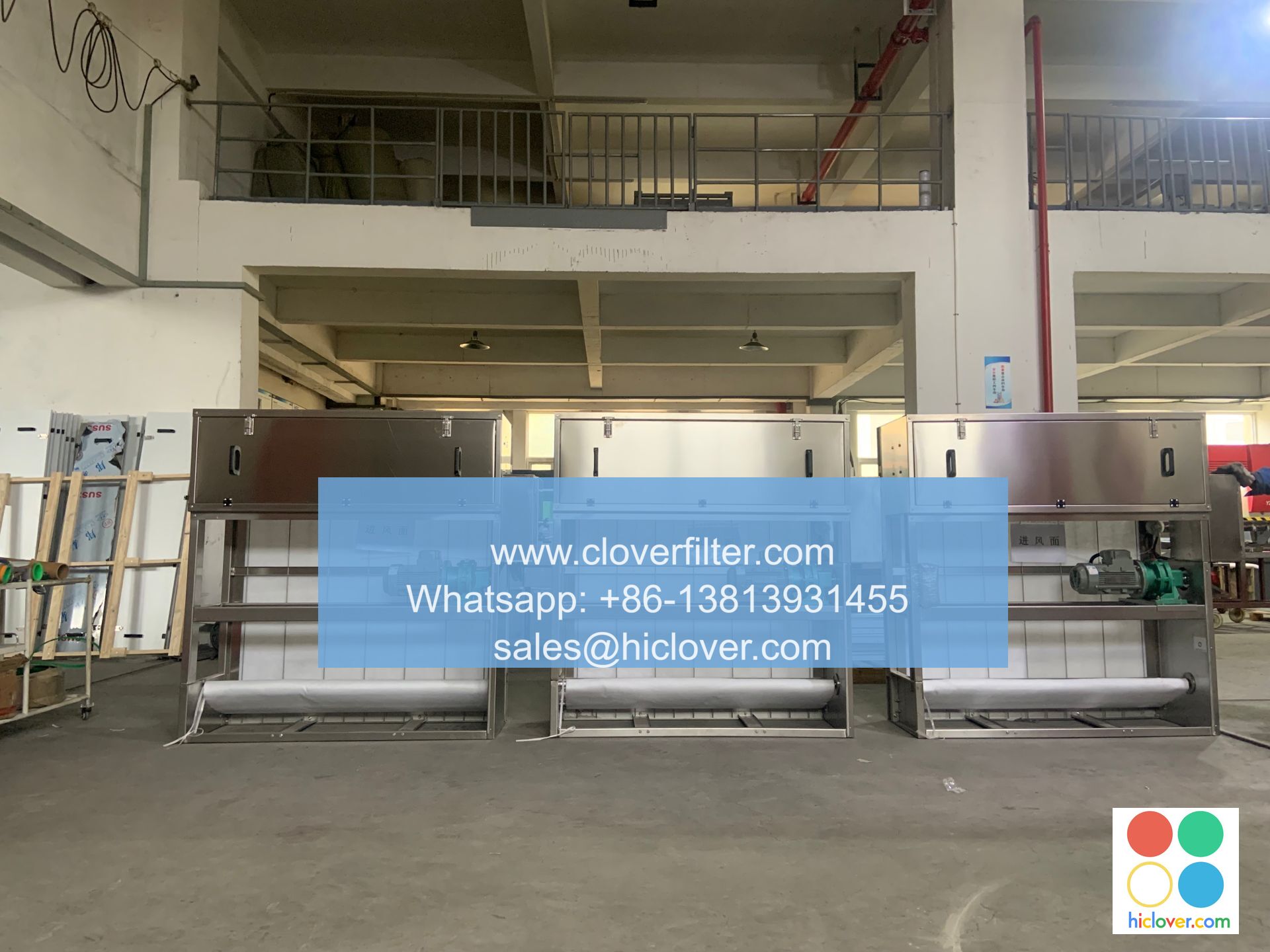
Government agencies have a responsibility to provide a healthy and safe working environment for their employees, visitors, and citizens. One crucial aspect of achieving this goal is maintaining good indoor air quality (IAQ) through the use of effective air filter systems. In this article, we will highlight the importance of air filter systems for government agencies, discussing their application areas, benefits, and key considerations for selection and implementation.
Importance of Air Filter Systems
Air filter systems are designed to remove airborne pollutants, such as particulate matter (PM), gases, and microorganisms, from the air. These pollutants can come from various sources, including outdoor air, building materials, and human activities. By installing high-quality air filter systems, government agencies can reduce the risks associated with poor IAQ, including:
* Respiratory problems, such as asthma and chronic obstructive pulmonary disease (COPD)
* Cardiovascular diseases, including heart attacks and strokes
* Neurological disorders, such as headaches and fatigue
* Infections, including influenza and tuberculosis
Application Areas
Air filter systems are essential in various government facilities, including:
*
Office Buildings
: Air filter systems can improve IAQ in office spaces, reducing the spread of airborne diseases and enhancing employee productivity.
*
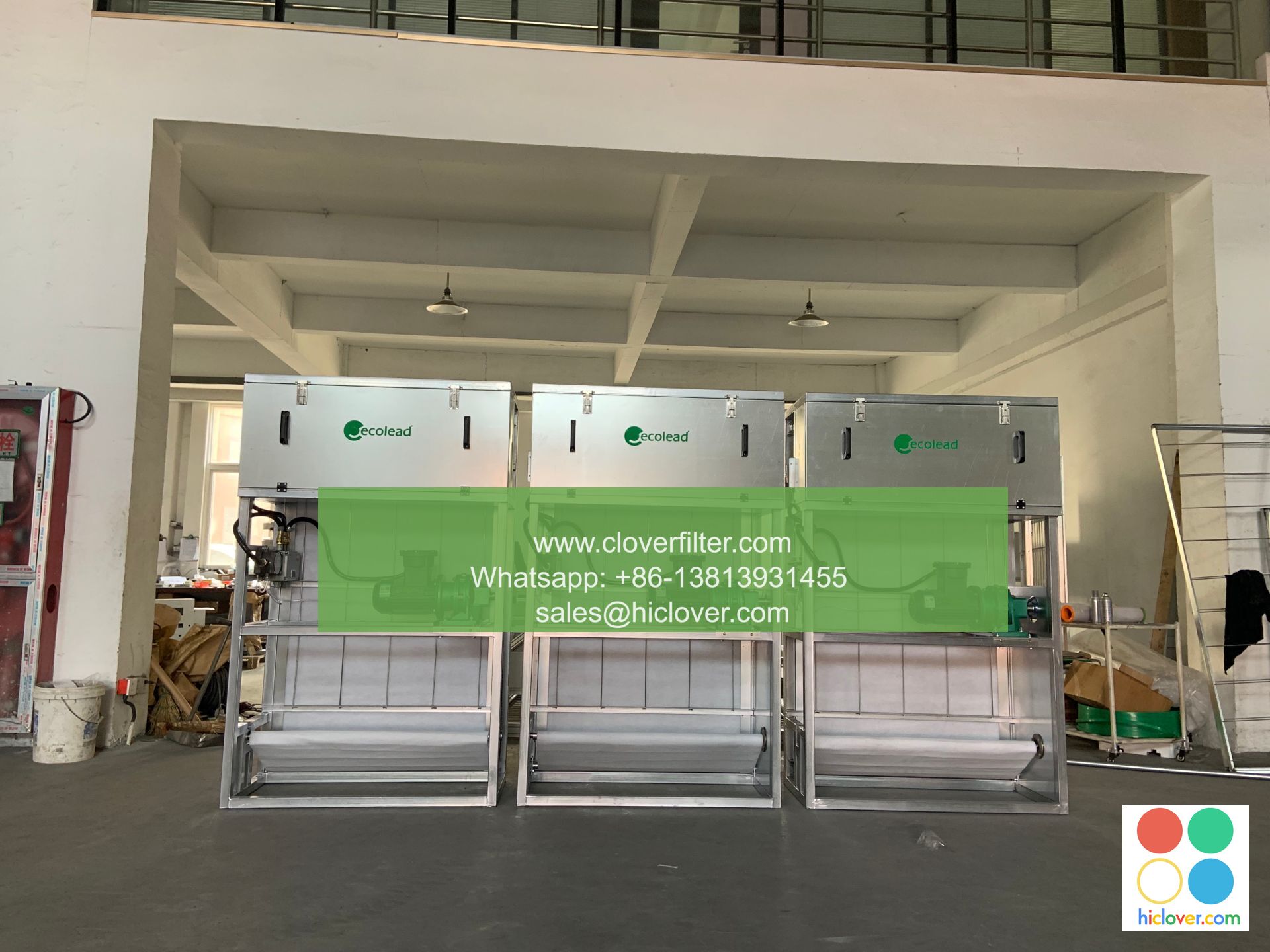
Hospitals and Healthcare Facilities
: In healthcare settings, air filter systems play a critical role in preventing hospital-acquired infections (HAIs) and reducing the transmission of airborne pathogens.
*
Laboratories and Research Facilities
: Air filter systems are vital in laboratories and research facilities, where sensitive equipment and experiments require a controlled environment with minimal airborne contamination.
*
Public Transportation Systems
: Air filter systems can be integrated into public transportation systems, such as buses and trains, to improve IAQ and reduce the spread of airborne diseases.
Benefits of Air Filter Systems
The benefits of air filter systems for government agencies are numerous, including:
*
Improved Indoor Air Quality
: Air filter systems can remove up to 99.97% of airborne pollutants, including PM, gases, and microorganisms.
*
Reduced Healthcare Costs
: By improving IAQ, air filter systems can reduce the incidence of respiratory problems, cardiovascular diseases, and other health issues, resulting in lower healthcare costs.
*
Increased Employee Productivity
: A healthy and comfortable working environment can boost employee productivity, morale, and job satisfaction.
*
Enhanced Public Perception
: Government agencies that prioritize IAQ and air filter systems can demonstrate their commitment to public health and well-being, enhancing their reputation and public trust.
Key Considerations for Selection and Implementation
When selecting and implementing air filter systems, government agencies should consider the following factors:
*
Filter Efficiency
: Choose air filters with high efficiency ratings, such as HEPA (High Efficiency Particulate Air) or ULPA (Ultra Low Penetration Air) filters.
*
System Maintenance
: Regular maintenance, including filter replacement and cleaning, is essential to ensure optimal system performance.
*
Integration with Existing Systems
: Air filter systems should be integrated with existing HVAC systems to ensure seamless operation and optimal performance.
*
Cost-Effectiveness
: Government agencies should evaluate the cost-effectiveness of air filter systems, considering factors such as energy efficiency, maintenance costs, and lifespan.
In conclusion, air filter systems are a crucial component of maintaining good indoor air quality in government facilities. By understanding the importance of air filter systems, their application areas, benefits, and key considerations for selection and implementation, government agencies can create healthier and safer working environments, reducing healthcare costs and enhancing public perception. As government agencies continue to prioritize public health and well-being, the use of effective air filter systems will become even more critical in the years to come. It seems like you’re ready to start a conversation or ask a question, but you haven’t specified what’s on your mind yet. How can I assist you today?
