Air Filter Systems for Telecommunications Facilities
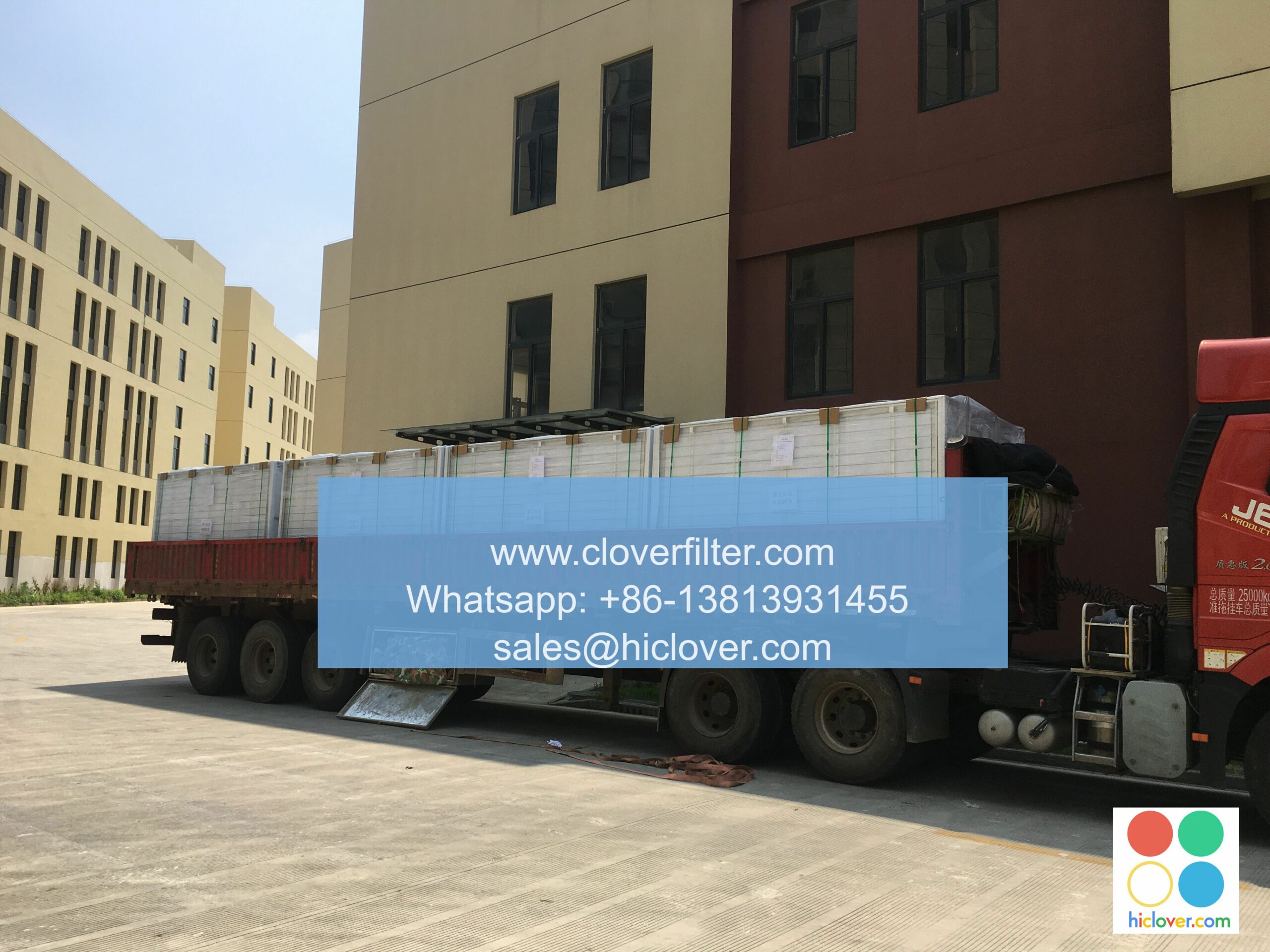
Telecommunications facilities, including data centers, server rooms, and network operation centers, require a controlled environment to ensure the reliability and efficiency of their operations. One critical aspect of maintaining this environment is the air filter system, which plays a crucial role in removing airborne contaminants, regulating temperature and humidity, and preventing equipment damage. In this article, we will explore the importance of air filter systems for telecommunications facilities, highlighting various application areas and key considerations for selection and maintenance.
Importance of Air Filter Systems in Telecommunications Facilities

Air filter systems are essential in telecommunications facilities for several reasons:
- Prevention of equipment damage: Airborne contaminants, such as dust, dirt, and pollutants, can damage sensitive electronic equipment, leading to downtime and costly repairs.
- Regulation of temperature and humidity: Telecommunications equipment generates heat, which can lead to overheating and damage if not properly managed. Air filter systems help regulate temperature and humidity levels, ensuring optimal operating conditions.
- Reduction of downtime: By maintaining a clean and controlled environment, air filter systems help minimize downtime and ensure continuous operation of critical systems.
Application Areas for Air Filter Systems
Air filter systems are used in various application areas within telecommunications facilities, including:
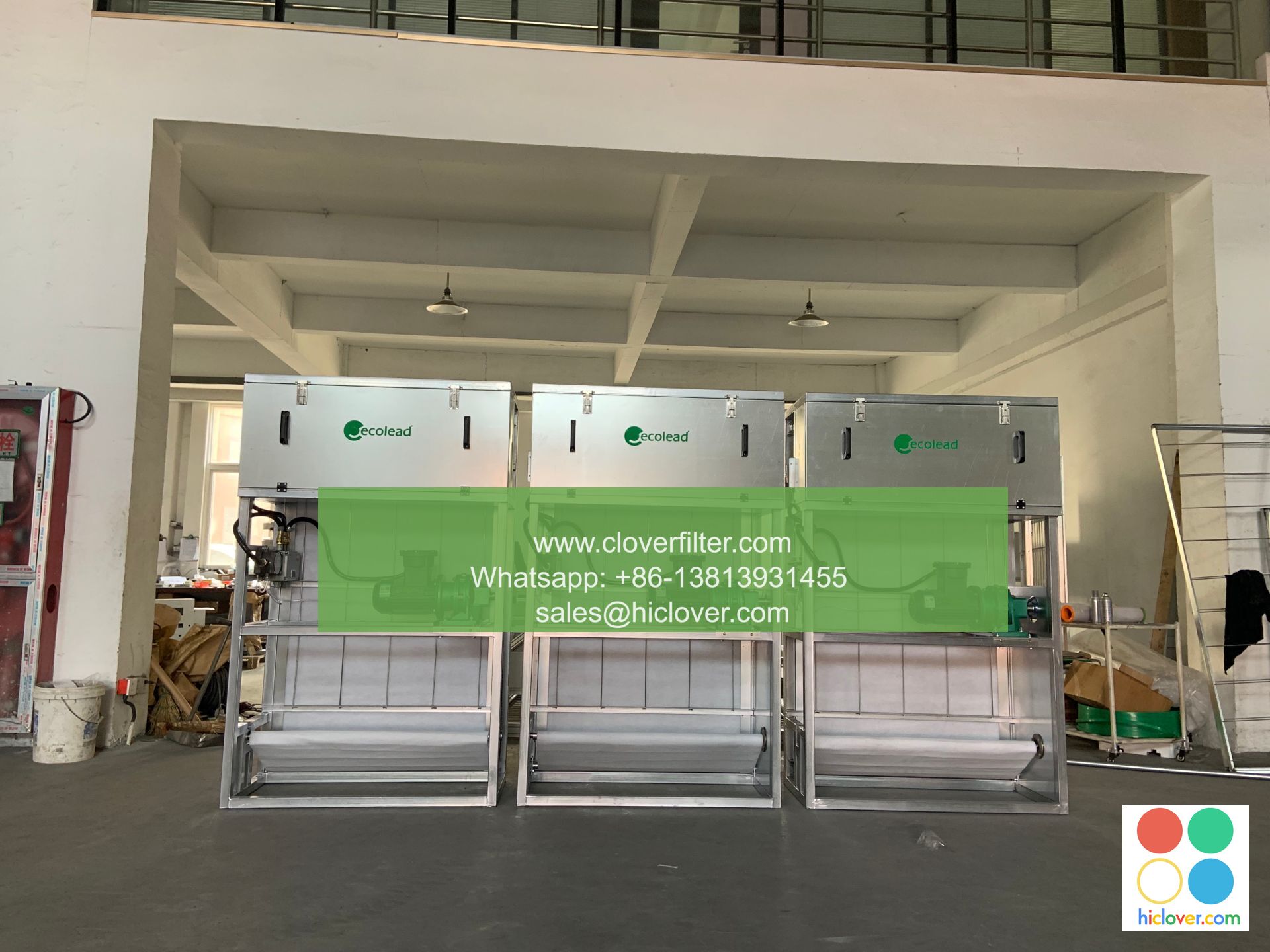
- Data centers: Air filter systems are used to maintain a clean and controlled environment, ensuring the reliability and efficiency of data center operations.
- Server rooms: Air filter systems help regulate temperature and humidity levels, preventing equipment damage and downtime.
- Network operation centers: Air filter systems are used to maintain a clean and controlled environment, ensuring the reliability and efficiency of network operations.
- Outdoor telecommunications equipment: Air filter systems are used to protect outdoor telecommunications equipment, such as cell towers and base stations, from airborne contaminants and extreme weather conditions.
Key Considerations for Selection and Maintenance of Air Filter Systems
When selecting and maintaining air filter systems for telecommunications facilities, several key considerations must be taken into account:
- Filter efficiency: The air filter system should have a high filter efficiency to ensure removal of airborne contaminants.
- Airflow rate: The air filter system should be designed to handle the required airflow rate to maintain optimal operating conditions.
- Maintenance schedule: Regular maintenance is essential to ensure the air filter system operates efficiently and effectively.
- Compatibility: The air filter system should be compatible with the telecommunications equipment and facility infrastructure.
Types of Air Filter Systems
Several types of air filter systems are available for telecommunications facilities, including:
- HEPA (High Efficiency Particulate Air) filters: HEPA filters are designed to remove 99.97% of airborne particles as small as 0.3 microns.
- Activated carbon filters: Activated carbon filters are used to remove gases and odors from the air.
- Prefilters: Prefilters are used to remove larger airborne particles, extending the life of the main filter.
Conclusion
Air filter systems play a critical role in maintaining the reliability and efficiency of telecommunications facilities. By understanding the importance of air filter systems, highlighting various application areas, and considering key factors for selection and maintenance, facility managers can ensure optimal operating conditions and minimize downtime. Whether it’s a data center, server room, or network operation center, a well-designed and properly maintained air filter system is essential for ensuring the continuous operation of critical systems.
It seems like you’ve provided a prompt without any actual question or topic to discuss. Could you please provide more context or specify what you would like to talk about? I’m here to help and provide information on any topic you’re interested in.
