Air Filter Technologies for Industrial Applications: A Review of the Literature
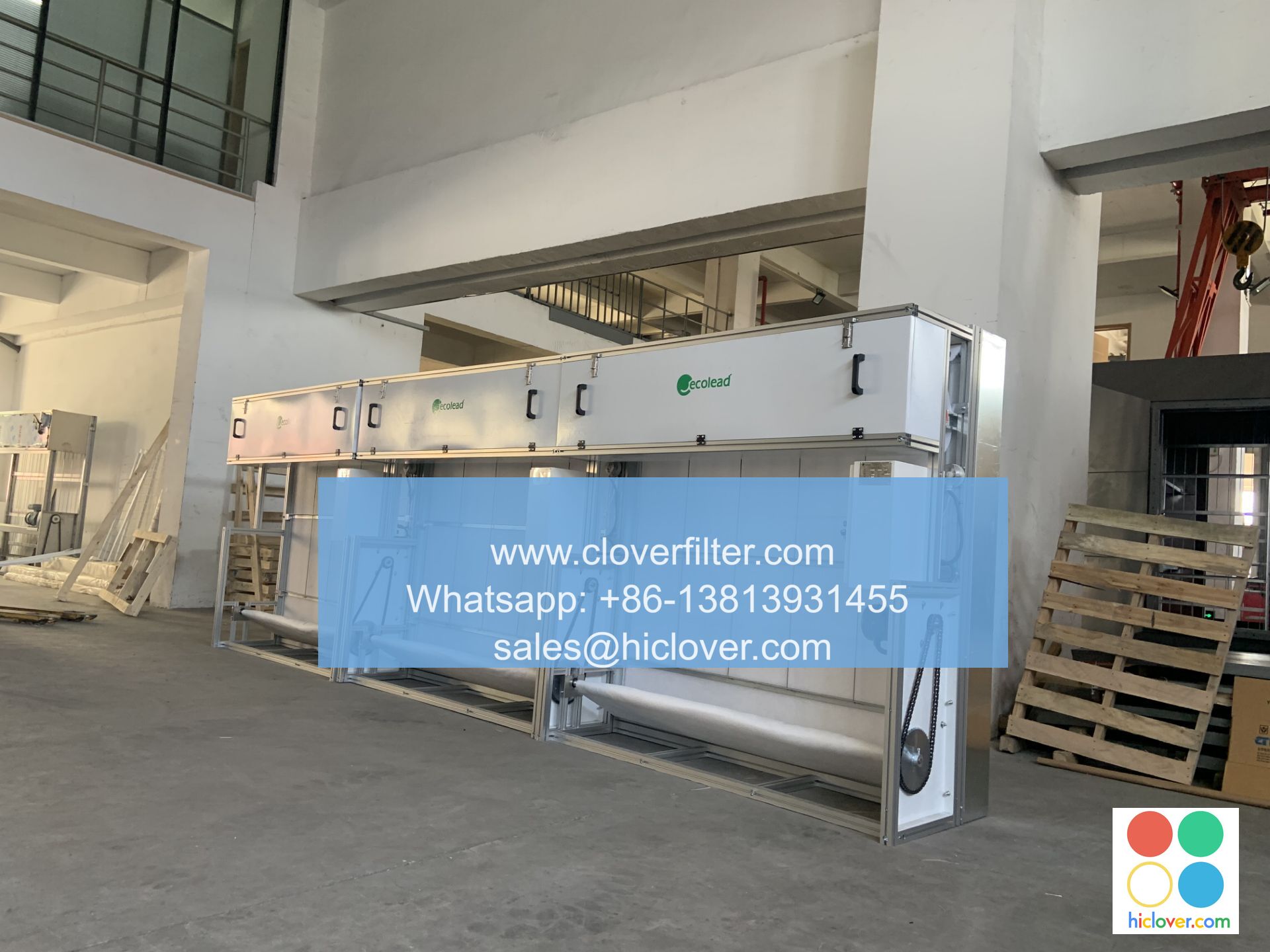
The use of air filter technologies in industrial applications has become increasingly important in recent years due to the need to improve indoor air quality, reduce airborne contaminants, and minimize the risk of occupational diseases. This review aims to provide an overview of the current state of air filter technologies for industrial applications, highlighting various application areas, including industrial dust collection, oil mist collection, and virus removal.
Introduction to Air Filter Technologies

Air filter technologies have evolved significantly over the years, with various types of filters being developed to cater to different industrial applications. These include HEPA filters, ULPA filters, activated carbon filters, and electrostatic precipitators. Each of these technologies has its own strengths and weaknesses, and the choice of filter depends on the specific application and requirements.
Types of Air Filters
- Mechanical filters: These filters use a physical barrier to capture particles and contaminants. Examples include HEPA filters and ULPA filters.
- Electrostatic filters: These filters use an electrostatic charge to attract and capture particles and contaminants. Examples include electrostatic precipitators.
- Activated carbon filters: These filters use activated carbon to capture gases and vapors.
- Hybrid filters: These filters combine multiple technologies, such as mechanical and electrostatic filtration.

Application Areas
Air filter technologies have a wide range of applications in various industries, including:
- Industrial dust collection: Air filters are used to capture dust and particles in industries such as mining, construction, and manufacturing.
- Oil mist collection: Air filters are used to capture oil mist and vapors in industries such as machining and metalworking.
- Virus removal: Air filters are used to capture viruses and other microorganisms in industries such as healthcare and biotechnology.
- Food processing: Air filters are used to capture contaminants and particles in the food processing industry.
Benefits of Air Filter Technologies
The use of air filter technologies in industrial applications offers several benefits, including:
- Improved indoor air quality
- Reduced airborne contaminants
- Minimized risk of occupational diseases
- Increased productivity
- Cost savings
Conclusion
In conclusion, air filter technologies play a critical role in industrial applications, and the choice of filter depends on the specific application and requirements. By understanding the different types of air filters and their applications, industries can improve indoor air quality, reduce airborne contaminants, and minimize the risk of occupational diseases. As the demand for clean air continues to grow, the development of new and innovative air filter technologies will be crucial in meeting the needs of various industries.
Future Directions
Future research directions in air filter technologies should focus on the development of:
- More efficient and effective filters
- New materials and technologies
- Improved filter maintenance and testing
- Increased use of sustainable and eco-friendly** filters
By pursuing these research directions, we can develop air filter technologies that are more effective, efficient, and sustainable, and that meet the needs of various industries and applications.
It looks like you’re ready to get started, but you haven’t given me a specific prompt to work with yet. What would you like to talk about or ask? I can assist with a wide range of topics, from science and history to entertainment and culture. If you’re feeling creative, we could even have a conversation or play a text-based game. What sounds interesting to you?
