Air Filter Technology: A Review of Compliance with Industry Standards
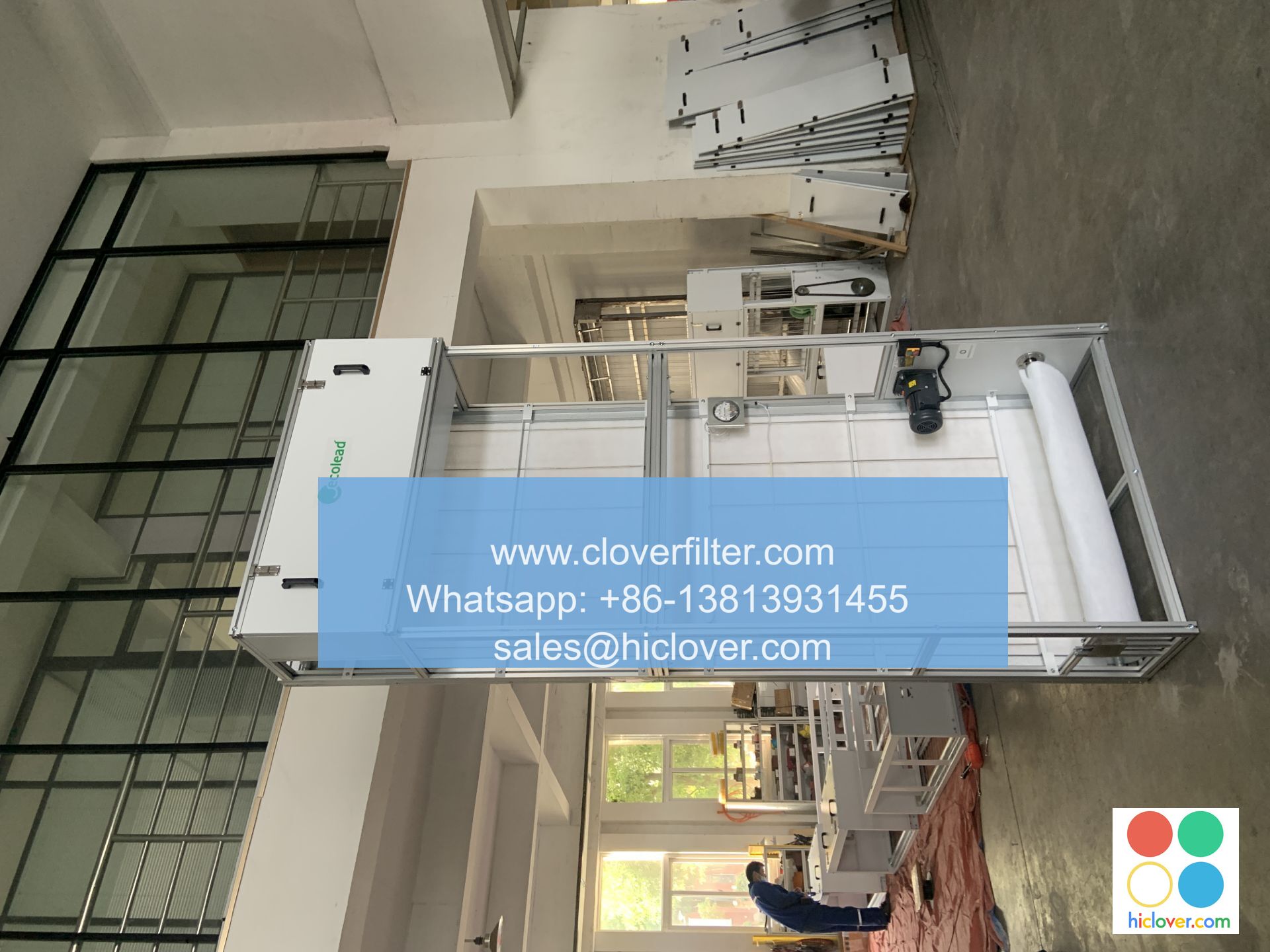
The air filter technology industry has experienced significant advancements in recent years, driven by increasing concerns about indoor air quality, energy efficiency, and environmental sustainability. With the growing demand for clean air, manufacturers are under pressure to develop air filters that meet or exceed industry standards. This review aims to provide an overview of the current state of air filter technology, highlighting its compliance with industry standards, and exploring various application areas.
Introduction to Air Filter Technology
Air filter technology has evolved significantly, from basic mechanical filters to advanced nanofiber-based filters and electrostatic precipitators. These innovations have improved the efficiency and effectiveness of air filters in removing particulate matter (PM), volatile organic compounds (VOCs), and microorganisms from the air. The development of smart air filters with integrated sensors and monitoring systems has also enabled real-time tracking of indoor air quality and optimized filter performance.
Compliance with Industry Standards
The air filter technology industry is governed by various standards and regulations, including those set by the American Society of Heating, Refrigerating, and Air-Conditioning Engineers (ASHRAE), the International Organization for Standardization (ISO), and the European Union’s (EU) Eurovent certification program. These standards ensure that air filters meet minimum requirements for filter efficiency, pressure drop, and durability. Manufacturers must also comply with regulations related to indoor air quality, energy efficiency, and environmental sustainability.
Application Areas
Air filter technology has a wide range of applications, including:
* Commercial HVAC systems: High-efficiency air filters are used in commercial buildings to improve indoor air quality, reduce energy consumption, and minimize the risk of airborne diseases.
* Industrial processes: Air filters are used in various industrial applications, such as chemical processing, pharmaceutical manufacturing, and food processing, to remove hazardous particles and contaminants from the air.
* Residential buildings: Air filters are used in residential buildings to improve indoor air quality, reduce allergens and asthma triggers, and minimize the risk of respiratory diseases.
* Aerospace and automotive industries: Air filters are used in these industries to remove contaminants and hazardous particles from the air, ensuring the safety and reliability of vehicles and aircraft.
* Medical facilities: Air filters are used in medical facilities to remove bacteria, viruses, and other microorganisms from the air, minimizing the risk of hospital-acquired infections.

Future Developments
The air filter technology industry is expected to continue evolving, driven by advances in materials science, nanotechnology, and artificial intelligence. Future developments are likely to focus on:
* Improving filter efficiency and effectiveness
* Reducing energy consumption and environmental impact
* Developing smart air filters with integrated sensors and monitoring systems
* Expanding application areas to include new industries and markets
In conclusion, air filter technology has made significant progress in recent years, with a focus on compliance with industry standards and expanding application areas. As the industry continues to evolve, it is likely to play an increasingly important role in improving indoor air quality, reducing energy consumption, and promoting environmental sustainability. It seems like you forgot to include the prompt. Please go ahead and provide the prompt, and I’ll be happy to help!
