Air Filter Technology: Challenges and Opportunities
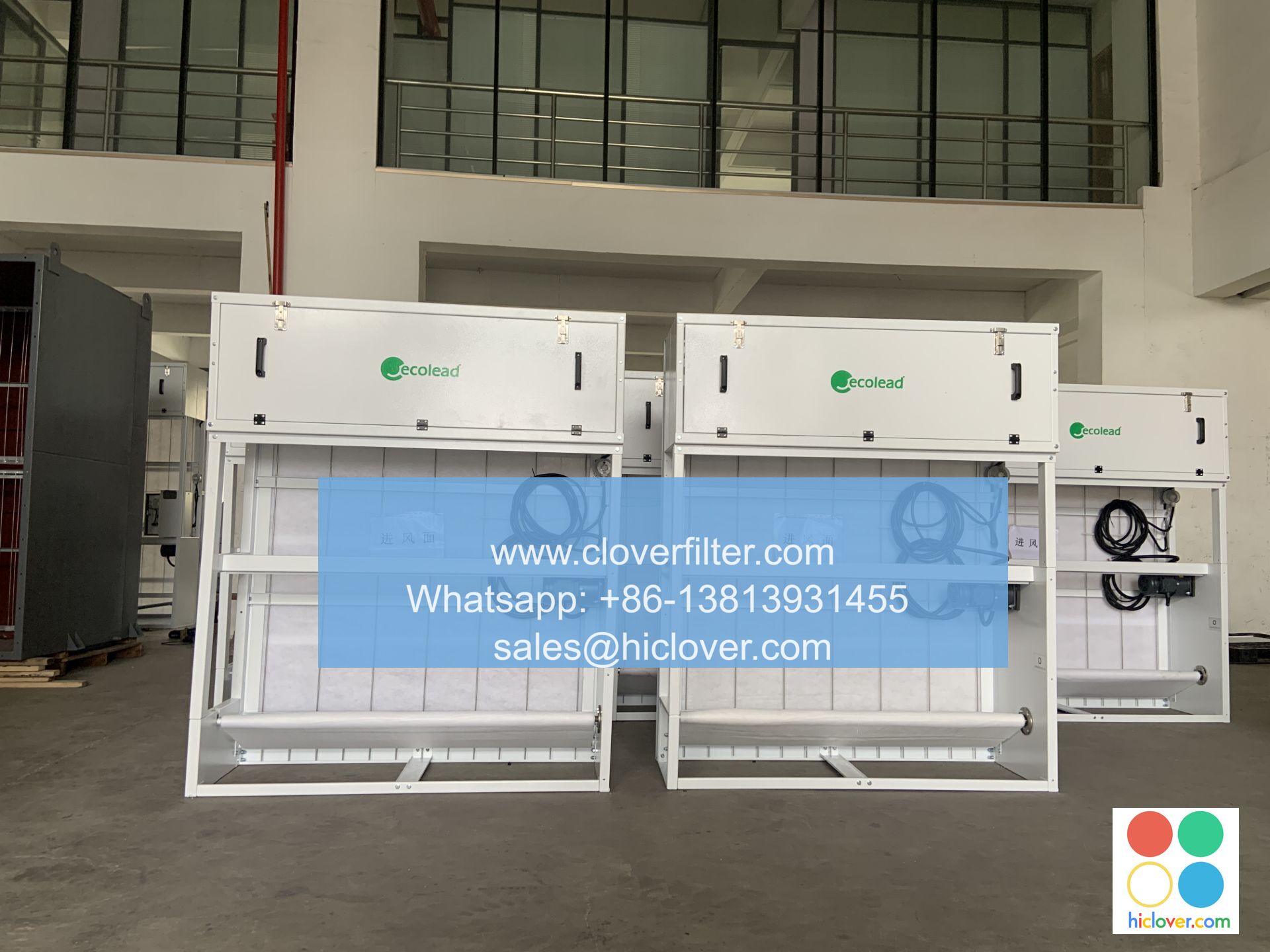
The air we breathe is essential for human survival, and with the increasing levels of air pollution, air filtration systems have become a crucial component in maintaining indoor air quality (IAQ) and outdoor air quality (OAQ). The air filter technology has evolved significantly over the years, offering various filtration methods, including mechanical filtration, electrostatic filtration, and activated carbon filtration. However, despite the advancements, the industry still faces several challenges that need to be addressed.
Challenges in Air Filter Technology
One of the primary challenges in air filter technology is the trade-off between filtration efficiency and pressure drop. High-efficiency filters often result in increased pressure drop, leading to higher energy consumption and reduced system performance. Moreover, the filter maintenance and replacement costs can be substantial, making it essential to develop cost-effective and sustainable solutions.
Another challenge is the emerging contaminants such as nanoparticles, volatile organic compounds (VOCs), and bioaerosols that require specialized filtration systems. The lack of standardization in air filter testing and certification also hinders the development of effective air filtration systems.
Opportunities in Air Filter Technology
Despite the challenges, the air filter technology offers numerous opportunities for innovation and growth. The increasing demand for clean air and healthy environments has led to the development of advanced filtration systems with high-efficiency particulate air (HEPA) filters, ultra-low penetration air (ULPA) filters, and nanofiltration systems.
The Internet of Things (IoT) and smart technologies have also enabled the development of intelligent air filtration systems that can monitor and control indoor air quality in real-time. The industrial, commercial, and residential sectors offer vast opportunities for air filter applications, including heating, ventilation, and air conditioning (HVAC) systems, air purification systems, and cleanroom technology.
Application Areas of Air Filter Technology
The air filter technology has a wide range of applications across various industries, including:
* Industrial manufacturing: cleanroom technology, process filtration, and emission control
* Commercial buildings: heating, ventilation, and air conditioning (HVAC) systems, air purification systems, and indoor air quality monitoring
* Residential homes: air purification systems, whole-house filtration, and portable air cleaners
* Healthcare: hospital air quality, operating room filtration, and infection control
* Transportation: vehicle cabin air filtration, aircraft air quality, and marine air filtration

Conclusion
The air filter technology is a rapidly evolving field with numerous challenges and opportunities. The development of advanced filtration systems, smart technologies, and cost-effective solutions is essential to address the growing concerns of indoor air quality and outdoor air quality. As the demand for clean air and healthy environments continues to increase, the air filter technology is poised to play a critical role in maintaining human health and well-being. It seems like you didn’t include a prompt. Could you please provide more details or specify what you would like to know or discuss? I’m here to help with any questions or topics you have in mind.
