Air Filter Technology for Commercial Spaces: What You Need to Know
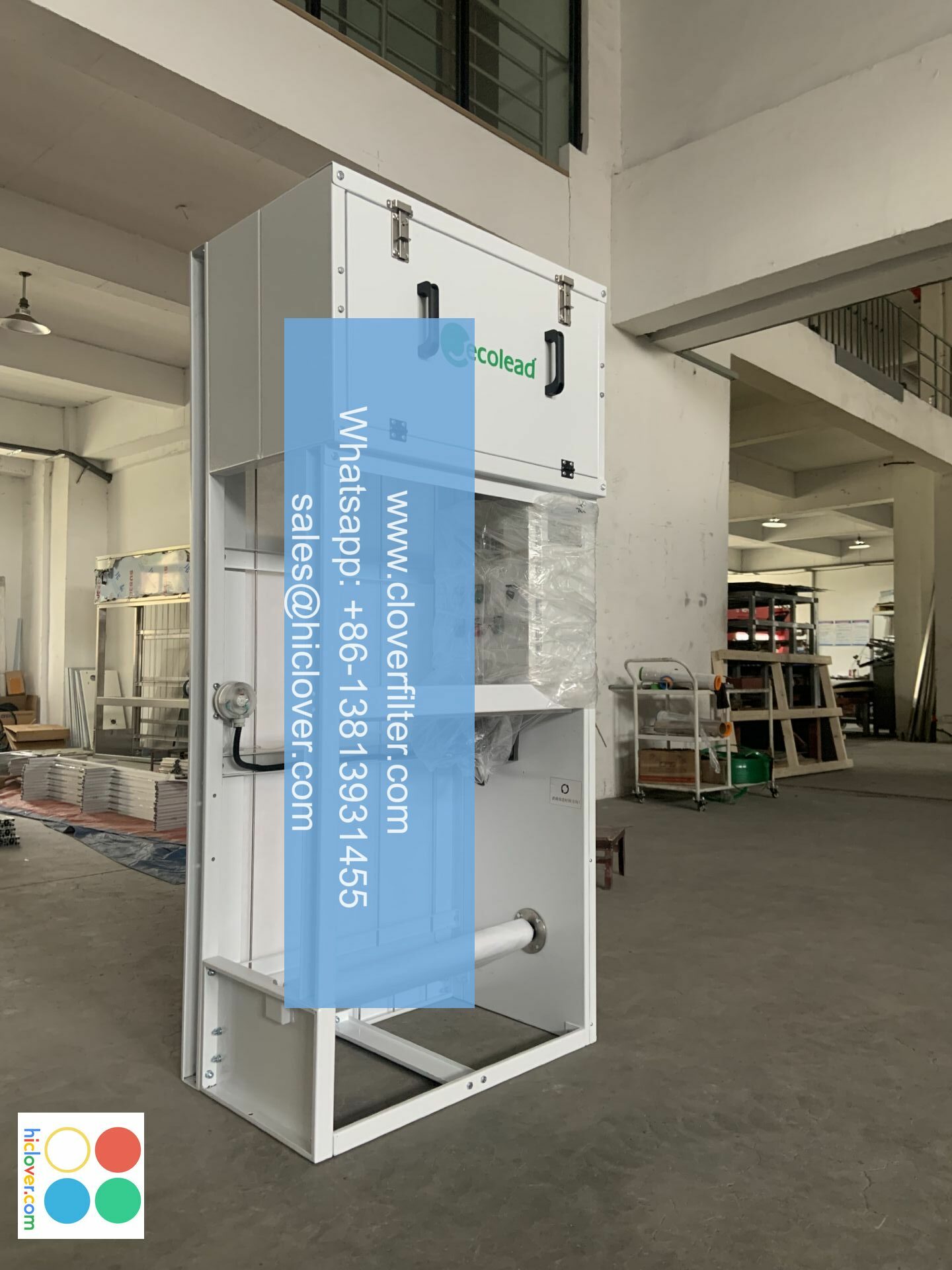
Understanding the Importance of Air Filtration
In today’s commercial environments, maintaining high air quality is not just a luxury; it’s a necessity. Air filter technology plays a crucial role in ensuring safe and healthy indoor air quality, which is vital for both employee productivity and customer satisfaction.

Types of Air Filters for Commercial Applications
There are several types of air filters used in commercial spaces, each designed to tackle specific air quality issues:
1. HEPA Filters (High-Efficiency Particulate Air)
HEPA filters are known for their ability to trap at least 99.97% of particles that are 0.3 micrometers in diameter. They are ideal for use in environments like hospitals and laboratories where sterile conditions are paramount.
2. Activated Carbon Filters
These filters use activated carbon to absorb odors, gases, and volatile organic compounds (VOCs). They are highly effective in settings such as restaurants and food processing facilities, where the elimination of odors is crucial.
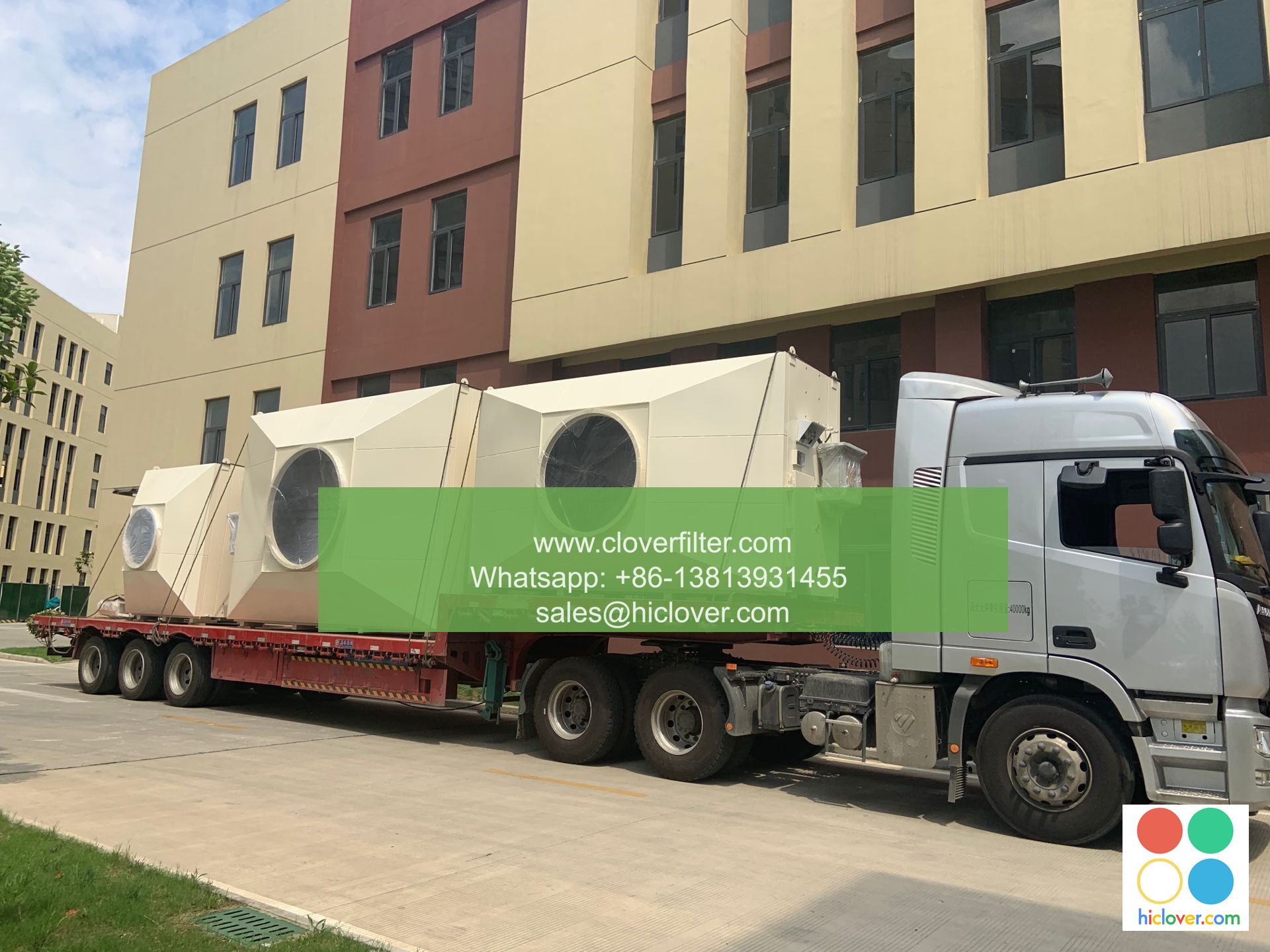
3. Electrostatic Filters
Using a static charge, these filters attract and capture dust and other particles from the air. Electrostatic filters are often preferred in offices and retail spaces because they operate quietly and require less frequent replacement.
Key Applications of Air Filter Technology
Different types of commercial spaces have specific needs when it comes to air filtration:
1. Healthcare Facilities
In healthcare settings, air quality is critical. HEPA filters are must-haves for surgical rooms and patient wards to prevent infections and ensure the well-being of patients and staff.
2. Industrial Manufacturing
Manufacturing facilities often have significant airborne pollutants. Specialized industrial air filters can help remove harmful particles, protecting both workers and product quality.
3. Educational Institutions
Schools and universities benefit from high-efficiency filters to maintain a conducive learning environment. Proper filtration leads to reduced absenteeism among students and staff, enhancing educational outcomes.
Emerging Trends in Air Filter Technology
As technology advances, so does air filtration. Some emerging trends to watch include:
1. IoT and Smart Filters
Integration with IoT technology allows filters to monitor air quality in real-time and alert facility managers when it’s time for a replacement or maintenance, ensuring optimal performance.
2. Sustainable Filter Solutions
With growing environmental concerns, the shift towards biodegradable filters and eco-friendly materials is on the rise. This not only aids in reducing waste but also ensures cleaner air.
Conclusion: Investing in Quality Air Filters
In commercial spaces, investing in advanced air filter technology is essential for maintaining air quality, ensuring health and safety, and improving productivity. Understanding the different types of filters available and their applications can help in choosing the right solution for your business’s specific needs. Prioritize the choice of air filtration systems to create a healthier working environment.
It seems like you might want to give me more context or a specific topic to help with. Could you please provide more details about what you’re looking for? Whether it’s a writing prompt, a question, or a topic you’d like me to elaborate on, I’ll be happy to assist!
