Air Filter Technology: How it’s Changing the Way We Think About Indoor Air Quality
The air we breathe has a significant impact on our health, productivity, and overall well-being. With the increasing awareness of the importance of indoor air quality (IAQ), air filter technology has become a crucial aspect of maintaining a healthy and comfortable living and working environment. In this article, we will explore the latest advancements in air filter technology and its applications in various industries, highlighting the benefits of high-efficiency particulate air (HEPA) filters, ultra-low penetration air (ULPA) filters, and activated carbon filters.
Advancements in Air Filter Technology
The development of air filter technology has been rapid in recent years, with a focus on improving filtration efficiency, airflow, and energy efficiency. The introduction of nanofiltration and membrane-based filtration systems has enabled the removal of even the smallest particles and contaminants from the air, including volatile organic compounds (VOCs), particulate matter (PM), and microorganisms. These advancements have significant implications for various industries, including healthcare, industrial manufacturing, and commercial buildings.
Applications in Healthcare
In healthcare settings, air filter technology plays a critical role in preventing the spread of infectious diseases and maintaining a sterile environment. HEPA filters and ULPA filters are widely used in operating rooms, patient rooms, and labs to remove bacteria, viruses, and other microorganisms from the air. The use of activated carbon filters also helps to remove odors and VOCs, creating a more comfortable environment for patients and healthcare professionals.
Industrial Manufacturing and Commercial Buildings
In industrial manufacturing and commercial buildings, air filter technology is used to improve indoor air quality and worker productivity. High-efficiency filters and air purification systems are used to remove particulate matter, gases, and odors from the air, creating a healthier and more comfortable work environment. The use of smart air filtration systems also enables real-time monitoring and control of indoor air quality, allowing for more efficient maintenance and operation.
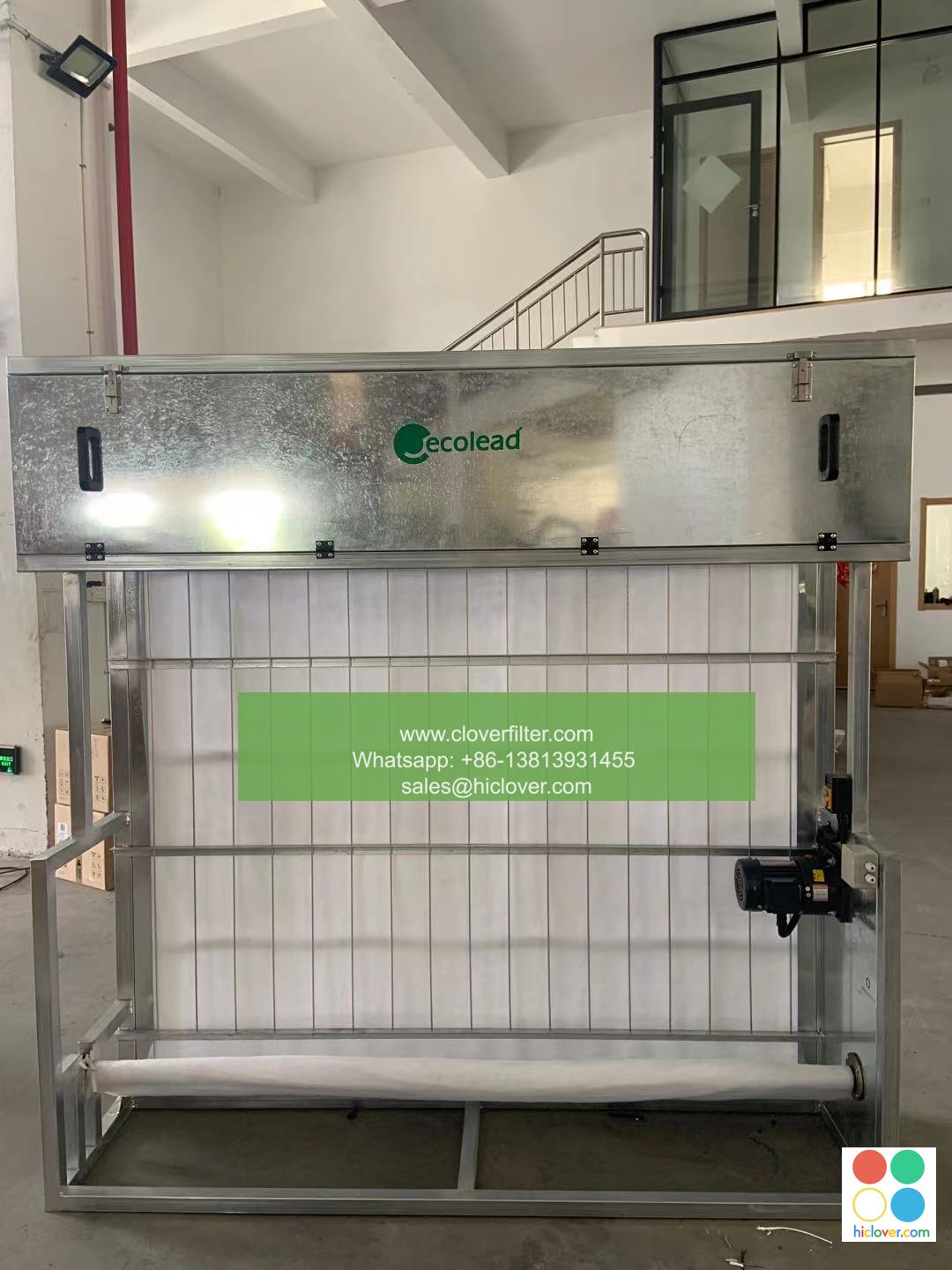
Emerging Trends and Future Directions
The future of air filter technology holds much promise, with emerging trends and innovations focused on sustainability, energy efficiency, and integration with other technologies. The development of self-cleaning filters and nanotechnology-based filtration systems is expected to revolutionize the industry, enabling more efficient and effective removal of contaminants from the air. Additionally, the integration of air filter technology with IoT and ai will enable real-time monitoring and optimization of indoor air quality, creating a more intelligent and responsive built environment.
Conclusion
In conclusion, air filter technology has come a long way in recent years, with significant advancements in filtration efficiency, airflow, and energy efficiency. As we look to the future, it is clear that air filter technology will play an increasingly important role in maintaining a healthy and comfortable indoor environment. Whether in healthcare, industrial manufacturing, or commercial buildings, the benefits of air filter technology are undeniable, and its applications will only continue to grow and expand in the years to come. By embracing the latest innovations and trends in air filter technology, we can create a healthier, more sustainable, and more comfortable built environment for generations to come. It seems like you’re ready to start a conversation or ask a question, but you haven’t provided a specific prompt yet. Could you please provide more details or clarify what you’re looking for? I’m here to help with any questions or topics you’d like to discuss!
