Air Filter Track Order: A Crucial Component of Sustainable HVAC Systems
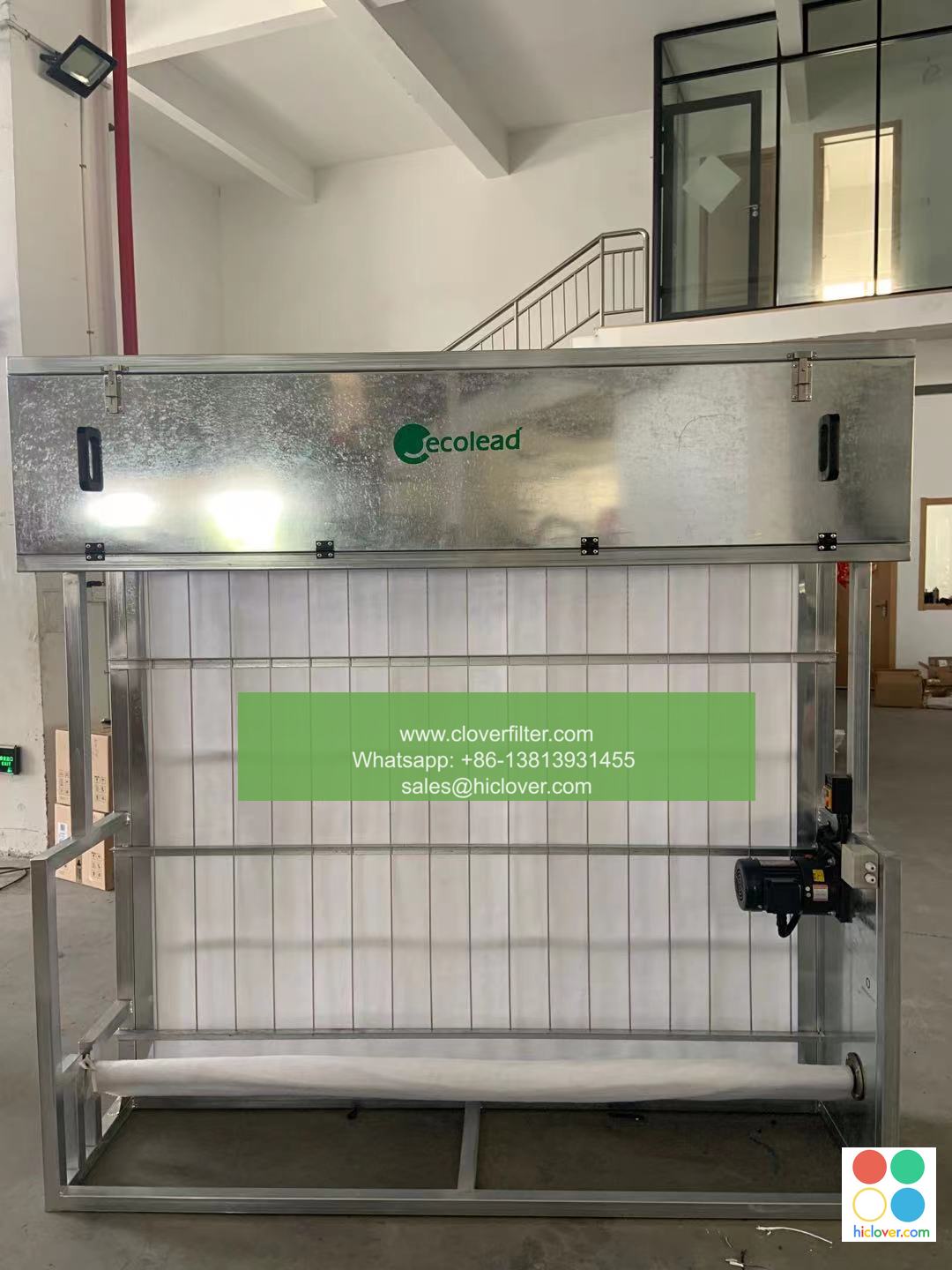
In the evolving world of sustainability, HVAC systems are becoming increasingly important. With the growing emphasis on energy efficiency and indoor air quality, air filter track orders play a pivotal role in maintaining sustainable HVAC systems. Understanding the significance of air filter tracking can enhance system efficiency, improve air quality, and contribute to environmental conservation.
What is Air Filter Track Order?

Air filter track order refers to the systematic process of monitoring, ordering, and changing air filters in HVAC systems. Regular maintenance and appropriate replacements ensure that these systems operate efficiently, ultimately increasing their lifespan and reducing energy consumption. When properly managed, air filter tracking can contribute to cleaner indoor air quality and create healthier living and working environments.
Significance of Air Filters in HVAC Systems
1. Energy Efficiency
High-quality air filters play a crucial role in maintaining the efficiency of HVAC systems. Clogged or dirty filters can restrict airflow, causing systems to work harder and consume more energy. By implementing an effective air filter track order, facility managers can ensure that filters are replaced on time, optimizing energy use and lowering operational costs.
2. Indoor Air Quality
The health of indoor environments is heavily influenced by air quality. Filters are essential in trapping dust, allergens, and other pollutants. Regularly scheduled filter changes, in accordance with an air filter track order, significantly improve indoor air quality, leading to better health outcomes for occupants.

3. Prolonging Equipment Life
When HVAC systems operate with clean filters, it minimizes wear and tear on crucial components. Regular maintenance through a structured air filter tracking process can extend the life of the equipment, leading to fewer replacements and reduced waste.
Applications of Air Filter Track Order
1. Residential Buildings
In residential settings, air filter management strategies can enhance family health and comfort. Homeowners can establish a routine to replace filters in air conditioning and heating systems, ensuring efficient and clean airflow.
2. Commercial Buildings
For commercial enterprises, maintaining air quality is imperative. From offices to retail spaces, air filter tracking ensures compliance with health regulations and enhances employee productivity. Businesses can also showcase their commitment to sustainability by actively managing their HVAC systems.
3. Healthcare Facilities
In healthcare settings, the importance of air quality cannot be overstated. Hospitals require stringent air quality standards to prevent infections and ensure patient safety. An effective air filter track order will help healthcare facilities maintain these standards while optimizing system performance.
4. Industrial Applications
In industrial environments, air filtration is crucial for protecting machinery and ensuring workforce safety. Implementing a comprehensive air filter tracking system not only safeguards equipment but also promotes worker health by controlling emissions and airborne contaminants.
Implementing an Effective Air Filter Track Order
1. Regular Monitoring
Regularly assessing the condition of air filters is essential. Utilize monitoring systems that can provide alerts for replacement dates, ensuring filters are changed timely.
2. Educating Staff
Educating maintenance staff about the significance of air filters and the air filter tracking process will enhance compliance and ensure proper implementation. Training programs can empower staff to take an active role in maintaining air quality.
3. Supplier Relationships
Building solid relationships with air filter suppliers is crucial. Regular ordering through established channels ensures filters are always available, preventing lapses in maintenance.
4. Utilizing Technology
Leveraging modern technology, such as IoT devices and application software, can streamline the air filter tracking process. Automated systems can remind users about replacements and facilitate easy order placements.
Conclusion
In conclusion, air filter track orders are a vital aspect of creating sustainable HVAC systems. By improving energy efficiency, enhancing indoor air quality, and prolonging equipment lifespan, a well-managed air filter program not only contributes to operational savings but also promotes health and environmental responsibility. Embracing effective air filter tracking strategies across various application areas, from residential settings to industrial environments, is essential for a sustainable future. Investing in this crucial component of HVAC systems is not just a smart choice; it’s a necessary step toward a healthier planet.
Of course! What specific prompt or topic would you like to discuss or explore?
