Air Filter Trends in Commercial Buildings: Energy Efficiency and Indoor Air Quality
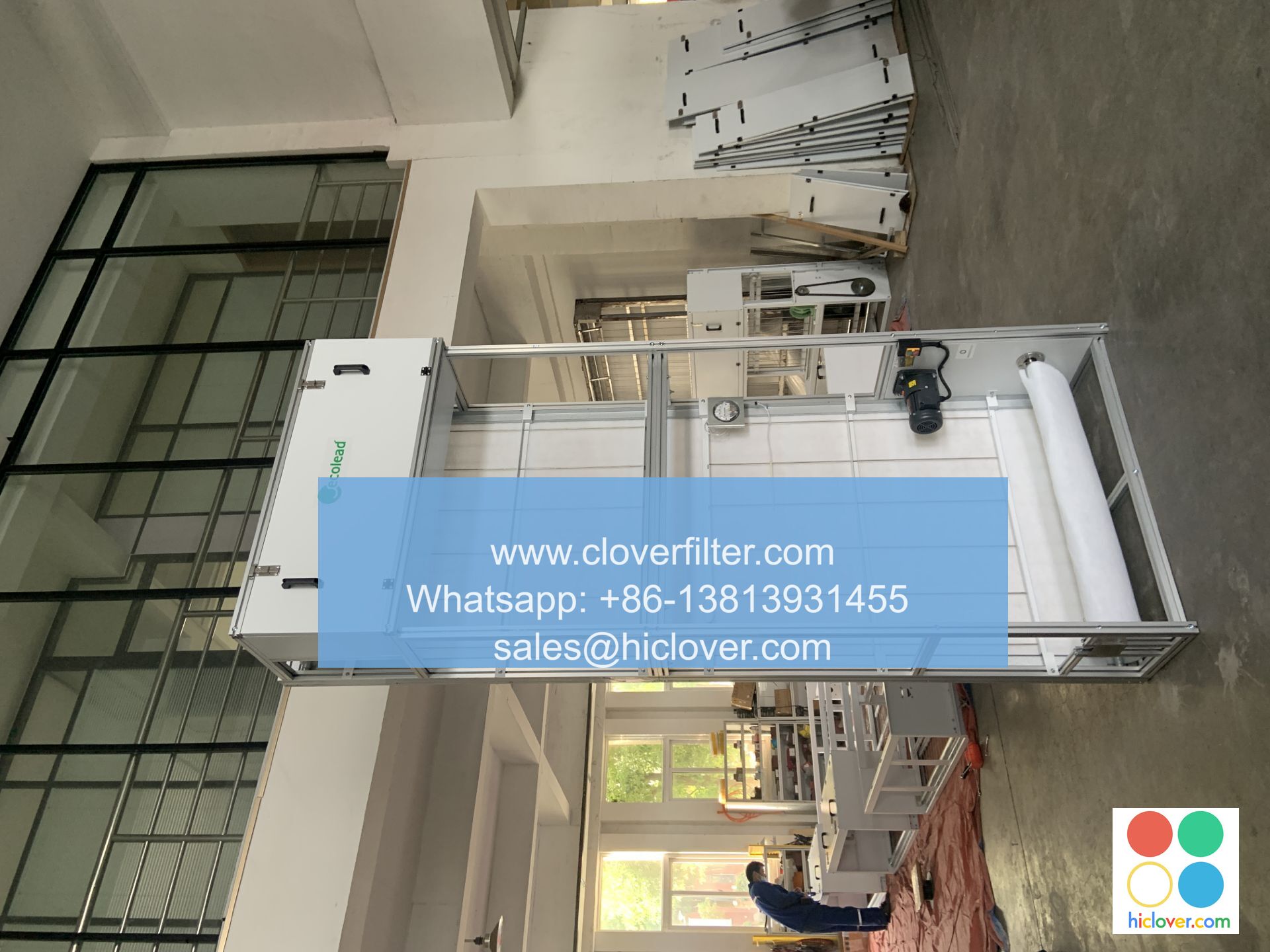
As the world becomes increasingly aware of the importance of energy efficiency and indoor air quality, commercial buildings are under pressure to adapt and implement sustainable solutions. One crucial aspect of achieving these goals is the use of advanced air filtration systems. In this article, we will explore the latest trends in air filters for commercial buildings, highlighting their impact on energy efficiency and indoor air quality.
Introduction to Air Filtration Systems
Air filtration systems are designed to remove airborne contaminants, such as dust, pollen, and other pollutants, from the air in commercial buildings. These systems play a vital role in maintaining good indoor air quality, which is essential for the health, comfort, and productivity of building occupants. Moreover, air filtration systems can also help reduce energy consumption by minimizing the load on heating, ventilation, and air conditioning (HVAC) systems.
Trends in Air Filter Technology
Several trends are emerging in air filter technology, driven by the need for improved energy efficiency and indoor air quality. Some of the key trends include:
* Nanofiber filters: These filters use nanotechnology to capture even the smallest particles, including volatile organic compounds (VOCs) and particulate matter (PM).
* High-efficiency particulate air (HEPA) filters: HEPA filters are designed to capture 99.97% of particles as small as 0.3 microns, making them ideal for applications where high indoor air quality is required.
* Activated carbon filters: These filters use activated carbon to capture gases and odors, improving indoor air quality and reducing the need for air fresheners.
* Smart air filtration systems: These systems use IoT sensors and machine learning algorithms to optimize air filtration and energy consumption in real-time.
Application Areas
Air filtration systems are used in a variety of commercial building applications, including:
* Office buildings: Air filtration systems are used to improve indoor air quality and reduce the risk of sick building syndrome.
* Hospitals and healthcare facilities: High-efficiency air filtration systems are used to prevent the spread of infections and maintain a sterile environment.
* Industrial facilities: Air filtration systems are used to remove hazardous particles and gases from the air, improving worker safety and reducing the risk of occupational diseases.
* Data centers: Air filtration systems are used to maintain a clean and cool environment, reducing the risk of equipment failure and data loss.

Benefits of Advanced Air Filtration Systems
The benefits of advanced air filtration systems are numerous, including:
* Improved indoor air quality: Advanced air filtration systems can remove up to 99.97% of airborne contaminants, improving the health and comfort of building occupants.
* Energy efficiency: By reducing the load on HVAC systems, advanced air filtration systems can help reduce energy consumption and lower energy costs.
* Increased productivity: Good indoor air quality has been shown to improve productivity and cognitive function, making advanced air filtration systems a valuable investment for commercial buildings.
* Extended equipment life: By removing hazardous particles and gases from the air, advanced air filtration systems can help extend the life of HVAC equipment and other building systems.
Conclusion
In conclusion, air filter trends in commercial buildings are driven by the need for improved energy efficiency and indoor air quality. Advanced air filtration systems, such as nanofiber filters, HEPA filters, and activated carbon filters, offer numerous benefits, including improved indoor air quality, energy efficiency, and increased productivity. As the demand for sustainable and healthy buildings continues to grow, the importance of advanced air filtration systems will only continue to increase. By investing in these systems, commercial building owners and managers can create a healthier, more comfortable, and more productive indoor environment, while also reducing energy consumption and costs. It seems like you forgot to include the actual prompt. Please go ahead and provide the details or question you’d like help with!
