Air Filter Trends in the Food and Beverage Industry: Quality Control and Sanitation
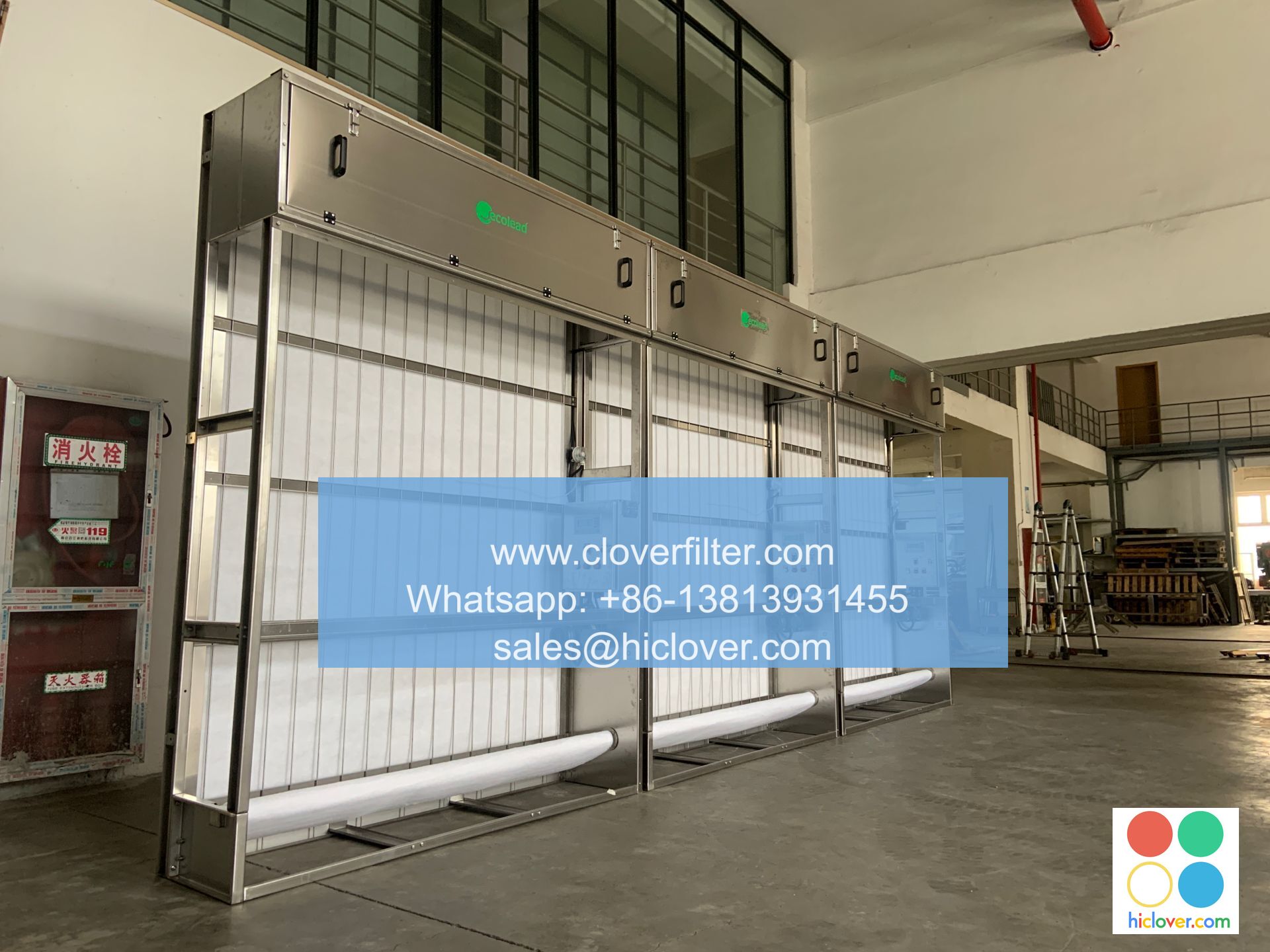
The food and beverage industry is undergoing significant transformations, driven by increasing consumer demand for quality and safety. One critical aspect of ensuring product quality and sanitation is the effective management of air filtration systems. As air quality directly impacts production processes, innovations in air filters are becoming essential for food safety and the maintenance of sanitary conditions.
Importance of Air Filtration in Food Safety

Airborne contaminants can lead to serious repercussions in food production, including spoilage, contamination, and health risks. Modern air filtration systems play a vital role in mitigating these risks by:
- Removing dust, bacteria, and mold spores.
- Improving overall air quality in processing and packaging areas.
- Preventing cross-contamination during production.
Current Trends in Air Filtration Technologies
The industry is witnessing several trends that are shaping air filtration solutions:

1. HEPA Filtration
High-Efficiency Particulate Air (HEPA) filters are increasingly being adopted for their ability to trap 99.97% of particles as small as 0.3 microns. This is particularly important in environments where food hygiene is paramount. HEPA filters are known for their reliability in maintaining air purity in sensitive areas such as:
- Food processing plants
- Beverage bottling facilities
- Cold storage and refrigeration units
2. UV-C Light Integration
Another trend is the integration of UV-C light technology into air filtration systems. UV-C light is effective at destroying microorganisms such as bacteria and viruses. When combined with air filters, this technology enhances sanitation in:
- Production environments
- Quality control laboratories
- Food packaging areas
3. Smart Air Filtration Systems
The rise of IoT (Internet of Things) technology is leading to the development of smart air filtration systems. These systems use sensors to monitor air quality in real time, providing alerts and data analytics to enhance operational efficiency. Benefits include:
- Automated filter replacement notifications
- Real-time monitoring of air quality parameters
- Data-driven decision-making for quality control
Regulatory Compliance and Air Filtration
Adhering to industry regulations is another driving force behind the evolution of air filtration technologies. Organizations must meet stringent requirements set forth by government and health authorities. These regulations highlight the importance of:
- Maintaining clean air standards in production areas.
- Documenting air quality assessments.
- Implementing validated air filtration systems to ensure compliance.
Conclusion: The Future of Air Filtration in the Food and Beverage Industry
As consumer expectations escalate, the food and beverage industry must prioritize quality control and sanitation. The advancements in air filter technologies, including HEPA filtration, UV-C integration, and smart systems, are poised to play a critical role in sustaining industry standards. Investing in robust air filtration solutions not only safeguards public health but also enhances product quality, ensuring that companies can thrive in a competitive landscape.
Sure! What would you like to prompt about? You can provide a topic or ask for a specific type of content, such as a story, poem, or information on a subject. Let me know how I can assist you!
