Air Filters: An Unexpected Hero in Reducing Energy Bills
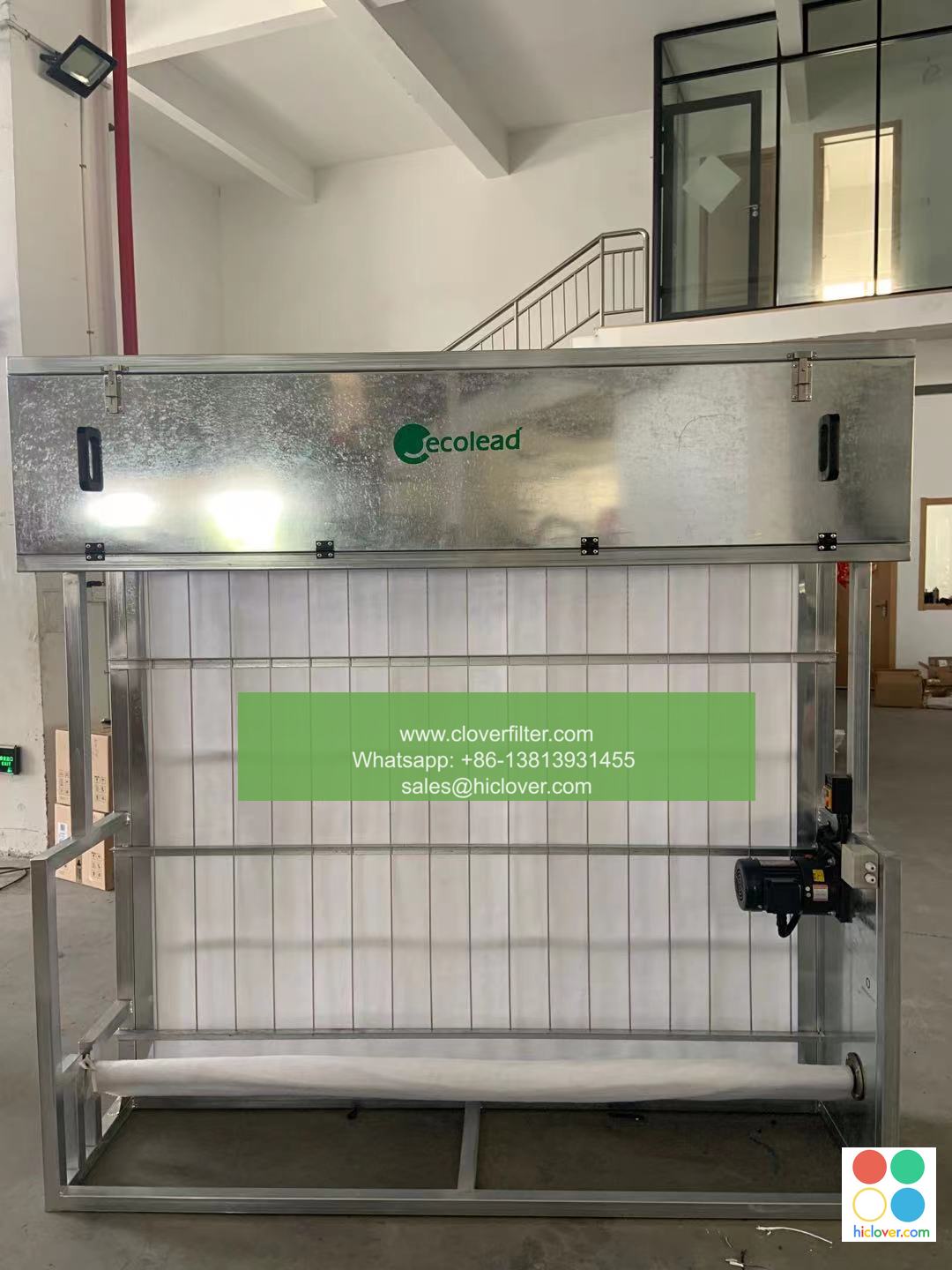
Key Takeaways:
- Automatic Roll Air Filters can significantly reduce energy consumption.
- Understanding air filter cost savings helps in effective budgeting for HVAC systems.
- They work by using roll media that advances based on differential pressure triggers.
- Proper selection is crucial; consider airflow, face velocity, and installation location.
- Common mistakes can lead to increased costs and inefficiencies.
- Real-world applications show substantial benefits across various industries.
- Roll Media Advance Logic: As the filter media becomes contaminated, the system utilizes sensors to measure pressure differentials. When the pressure drop exceeds a set threshold, the filter media automatically advances, introducing a clean section of media into the airflow path.
- Differential Pressure Trigger: This unique feature continuously monitors air quality and filter performance. It ensures that the filter engages precisely when needed, thus optimizing its lifecycle and reducing energy wastage.
- Timer Mode: For systems where continuous monitoring may not be feasible, a timer mode ensures that the filter media advances at preset intervals, maintaining a baseline level of air quality without the need for constant manual oversight.
- Airflow Range: Determine the required airflow for your application to ensure optimal efficiency.
- Face Velocity: Select a filter that can handle the expected face velocity to prevent any undue pressure drops.
- Media Width/Length: Choose media dimensions that fit your current system, taking note of installation and accessibility.
- Frame Size and Control Options: These should align with your specific HVAC setup and maintenance capabilities.
- Power Supply: Assess whether your existing infrastructure can support the automatic functions of the filter.
- Installation Location: Decide if the filter will be installed at fresh air intake, return, or process locations, as this impacts the overall performance.
- Not assessing airflow requirements before selection.
- Overlooking differential pressure readings.
- Choosing media that is too narrow or wide for existing frames.
- Skipping installation at proper locations.
- Ignoring the need for routine maintenance.
- Failing to track energy consumption post-installation.
- Neglecting to educate staff on the importance of air quality metrics.
- Not configuring timer settings properly for automation.
- Disregarding OEM specifications for HVAC systems.
- Bypassing installation of pre-filters where necessary.
-
Data Center: A major data center implemented CloverFilter’s Automatic Roll Air Filters to maintain air quality and manage heat efficiently. After installation, they reported a 20% reduction in energy costs, highlighting the filter’s potential impact on long-term operational savings.
-
Battery Factory: In a lithium battery factory, automatic roll media helped maintain stringent particulate control without frequent manual changes. This led to improved productivity and extended equipment life.
-
Paint Shop: A paint booth using CloverFilter’s filters saw a marked decline in paint fog and particulate matter, leading to compliance with environmental regulations and improved shop air quality.
-
Textile/Solid Cement Plant: By integrating Automatic Roll Air Filters, the facility reduced airborne contaminants considerably, subsequently lowering equipment downtime and maintenance overhead expenses.

What is an Automatic Roll Air Filter?
An Automatic Roll Air Filter is a state-of-the-art solution designed to enhance the efficiency of HVAC systems in various commercial and industrial settings. This type of filter employs advanced roll media technology that continuously advances as it becomes contaminated. The key feature is its differential pressure trigger, which activates the mechanism to advance the filter media, ensuring optimal airflow and particulate control. The timer mode can also be configured for periodic advancements, providing a cutting-edge solution for maintaining clean air intake in environments like factories, cleanrooms, and hospitals.

Understanding Air Filter Cost Savings
One of the often-overlooked benefits of implementing Automatic Roll Air Filters is the significant air filter cost savings they provide. By maintaining optimal airflow, these filters reduce the energy required for HVAC systems to operate efficiently. The minimization of pressure drops allows fans to consume less power, translating directly into reduced utility bills. This efficient mechanism also extends the life of other HVAC components, minimizing maintenance and replacement costs.
How Do Automatic Roll Air Filters Work?
The inner workings of an Automatic Roll Air Filter revolve around a few critical components:
Ideal Applications for Automatic Roll Air Filters
To select the right air filter, it’s essential to understand airflow requirements and system specifications. Here’s a practical guide for choosing an Automatic Roll Air Filter:
Comparison Table: Automatic Roll Air Filter vs Alternatives
| Feature | Automatic Roll Air Filter | Bag Filter | Panel Filter | V-Bank Filter |
|---|---|---|---|---|
| Best Use Case | High-efficiency environments | General-purpose | Short-term filtration | Space-constrained setups |
| Maintenance | Low | Moderate | High | Moderate |
| Pressure Drop Behavior | Low | Moderate | High | Moderate |
| Operating Cost | Low | Moderate | High | Moderate |
| Typical Risk/Downside | Initial setup cost | Clogging | Limited longevity | Space consumption |
Common Mistakes & How to Avoid Them
Real-World Scenarios
Frequently Asked Questions (FAQ)
Q: How often should I replace my air filters?
A: It depends on your application and filter type. However, with automatic roll media, maintenance intervals can be extended, reducing disruptions.
Q: What types of applications benefit most from Automatic Roll Air Filters?
A: Industries like data centers, battery manufacturing, and hospitals experience significant benefits due to high air quality demands.
Q: How do these filters reduce energy bills?
A: By minimizing pressure drops and maintaining airflow, Automatic Roll Air Filters allow HVAC systems to operate more efficiently, leading to energy savings.
Q: Are these filters compliant with industry regulations?
A: While specific certifications should be requested, CloverFilter products align with frameworks such as ISO 16890 and MERV concepts.
Q: Can I install these filters myself?
A: While installation is feasible for those familiar with HVAC systems, consulting a professional is recommended to ensure optimal functionality.
Q: How do I monitor the performance of these filters?
A: Monitoring differential pressure and filter media condition is essential. Some systems also have integrated sensors for real-time feedback.
Q: What maintenance is required for Automatic Roll Air Filters?
A: Regularly check the system for blockages and ensure that the automatic advancement mechanism functions correctly.
Q: What is the difference between automatic roll filters and traditional filters?
A: The key difference lies in the automatic advancement of media and lower pressure drops in roll filters compared to static designs.
Conclusion
In conclusion, the utilization of Automatic Roll Air Filters offers substantial air filter cost savings while ensuring optimal performance across various industries. By understanding their functionality and advantages, procurement managers, HVAC engineers, and facility managers can make informed decisions that enhance air quality, reduce energy bills, and lower maintenance needs. For a comprehensive solution tailored to your specific industrial requirements, turn to CloverFilter at CloverFilter.
Meta Description: Discover how Automatic Roll Air Filters provide unexpected cost savings and enhance HVAC efficiency in various industries. Learn more today!
To further explore how CloverFilter can meet your air filtration needs, reach out via CloverFilter Contact.
It looks like you might be looking for a writing prompt or a topic to discuss. Could you provide a bit more detail about what you need? Are you looking for a creative writing prompt, a discussion topic, or something else entirely?
