Air Filters and Climate Change Mitigation
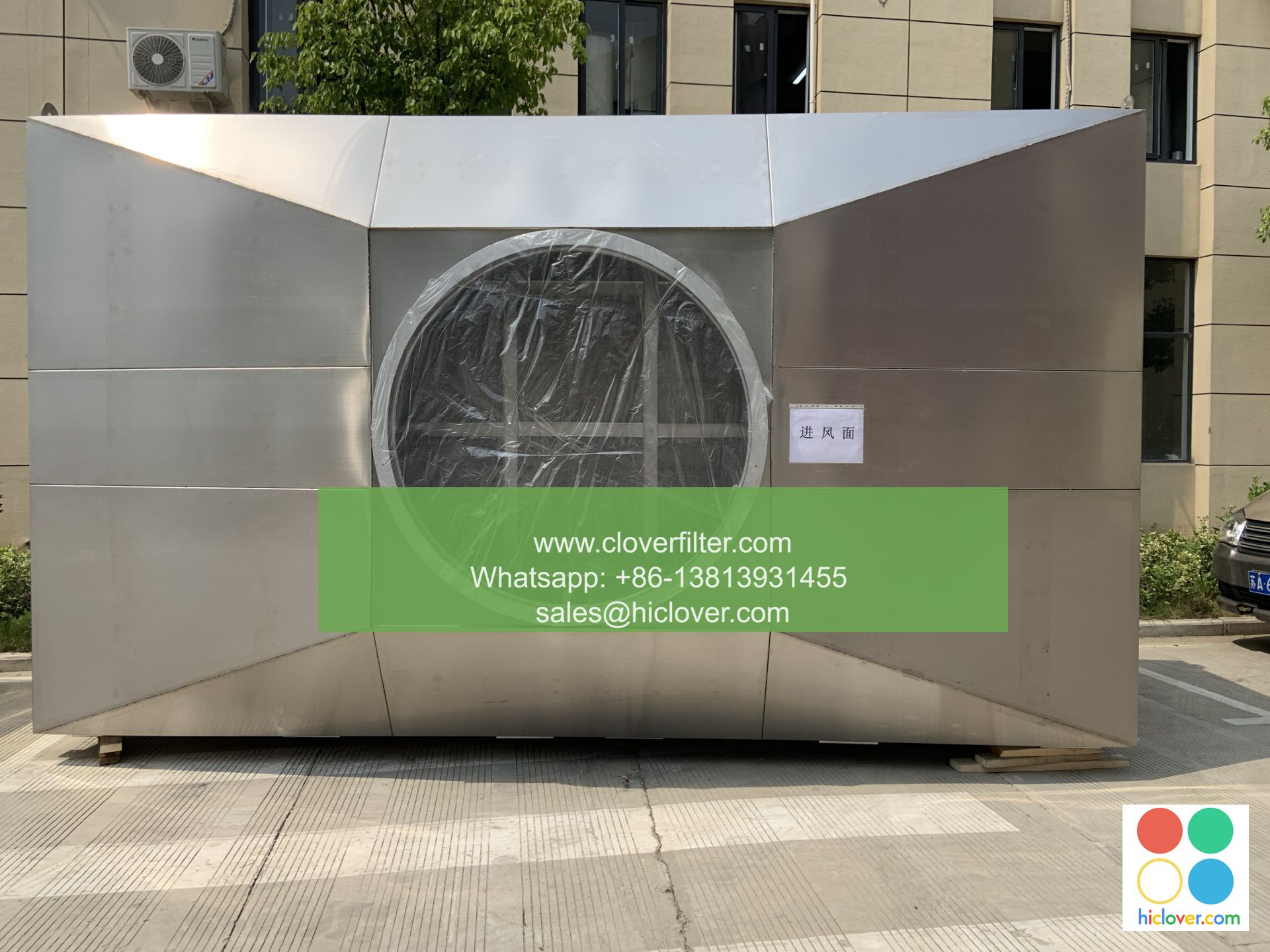
As the world grapples with the challenges of climate change, it’s essential to explore innovative solutions that can help mitigate its impacts. One often-overlooked yet vital component in this fight is air filters. These unsung heroes can play a significant role in reducing greenhouse gas emissions, improving air quality, and promoting sustainable development. In this article, we’ll delve into the link between air filters and climate change mitigation, highlighting various application areas and the benefits of indoor air quality management, air pollution control, and sustainable air filtration systems.
The Impact of Air Pollution on Climate Change
Air pollution is a significant contributor to climate change, with particulate matter (PM), nitrogen oxides (NOx), and volatile organic compounds (VOCs) being major culprits. These pollutants not only harm human health but also exacerbate global warming by forming ground-level ozone and altering cloud formation. Effective air filtration systems can help reduce the concentration of these pollutants in the air, thereby mitigating their impact on climate change.
Application Areas for Air Filters in Climate Change Mitigation
Air filters have a wide range of applications in various industries, including:
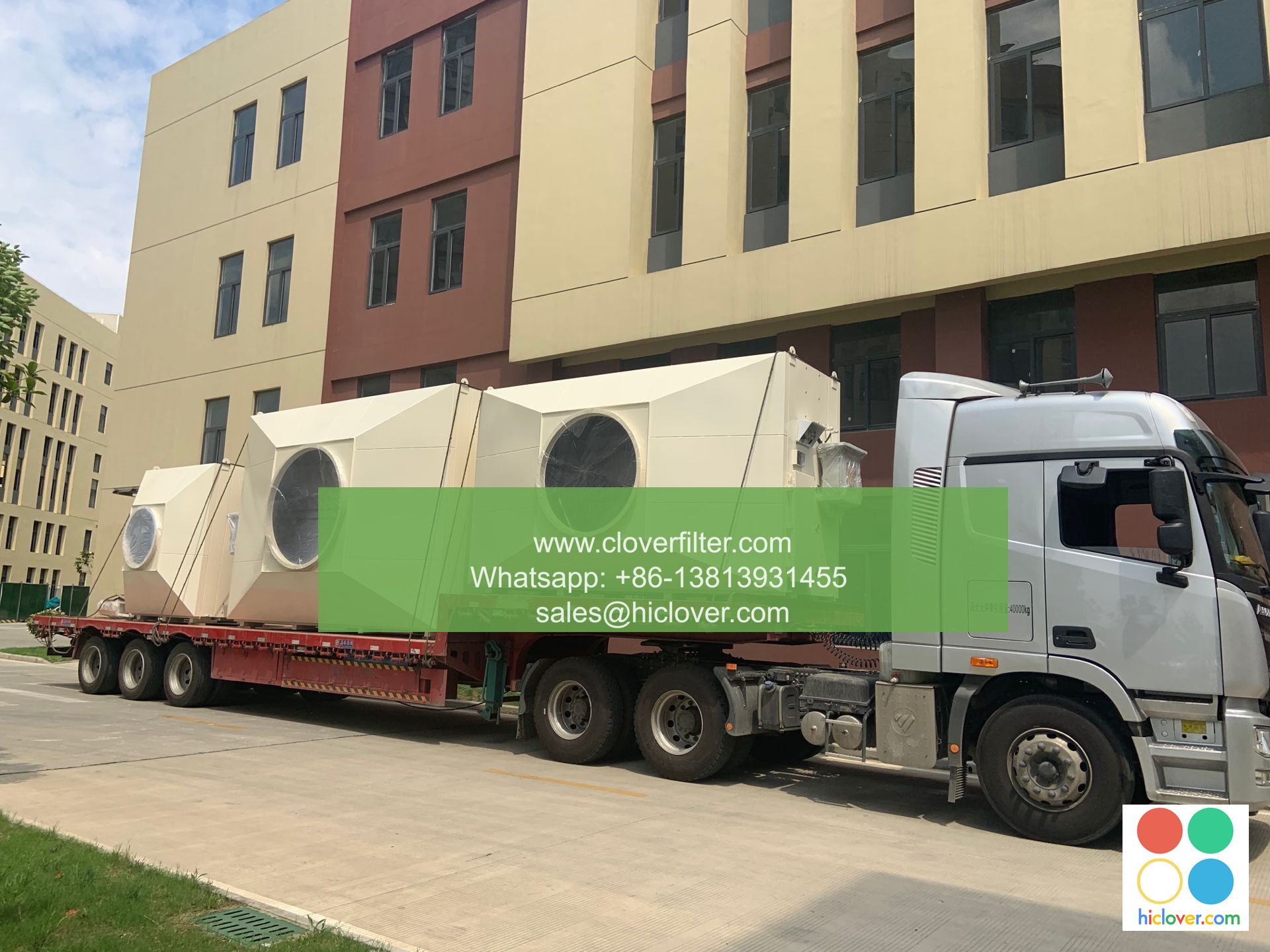
* Industrial air filtration: Air filters can be used to reduce emissions from power plants, cement factories, and other industrial processes, thereby decreasing the amount of greenhouse gases released into the atmosphere.
* Commercial air filtration: Air filters can improve indoor air quality in offices, shopping malls, and other commercial buildings, reducing the need for heating and cooling and lowering energy consumption.
* Residential air filtration: Air filters can be used in homes to remove pollutants and allergens from the air, improving indoor air quality and reducing the risk of respiratory problems.
* Transportation air filtration: Air filters can be used in vehicles to reduce emissions and improve air quality inside the vehicle, making transportation more sustainable.
Benefits of Sustainable Air Filtration Systems
Sustainable air filtration systems offer numerous benefits, including:
* Energy efficiency: Sustainable air filters can help reduce energy consumption by minimizing the need for heating and cooling.
* Cost savings: Sustainable air filters can help reduce maintenance costs by extending the lifespan of equipment and reducing the need for replacement filters.
* Improved indoor air quality: Sustainable air filters can help remove pollutants and allergens from the air, improving indoor air quality and reducing the risk of respiratory problems.
* Environmental benefits: Sustainable air filters can help reduce greenhouse gas emissions and mitigate the impacts of climate change.
Conclusion
In conclusion, air filters play a vital role in climate change mitigation by reducing air pollution, improving indoor air quality, and promoting sustainable development. By highlighting various application areas and the benefits of sustainable air filtration systems, we can work towards a more sustainable future and mitigate the impacts of climate change. As we continue to navigate the challenges of global warming and environmental degradation, it’s essential to recognize the importance of air filters in our fight against climate change. Prompt
