Air Filters and HVAC Systems: What You Need to Know
- Key Takeaways:
- Understanding air filters is crucial for HVAC system efficiency.
- Automatic Roll Air Filters offer enhanced particulate control.
- Selecting the right filter involves considering airflow, media width, and pressure drop.
- Compliance with standards like ISO 16890 is important for quality assurance.
- Proper maintenance can reduce costs and extend the lifespan of filters.
- Knowing common mistakes can prevent costly downtimes.
- Real-world scenarios demonstrate the benefits of effective air filtration.
Understanding Automatic Roll Air Filters
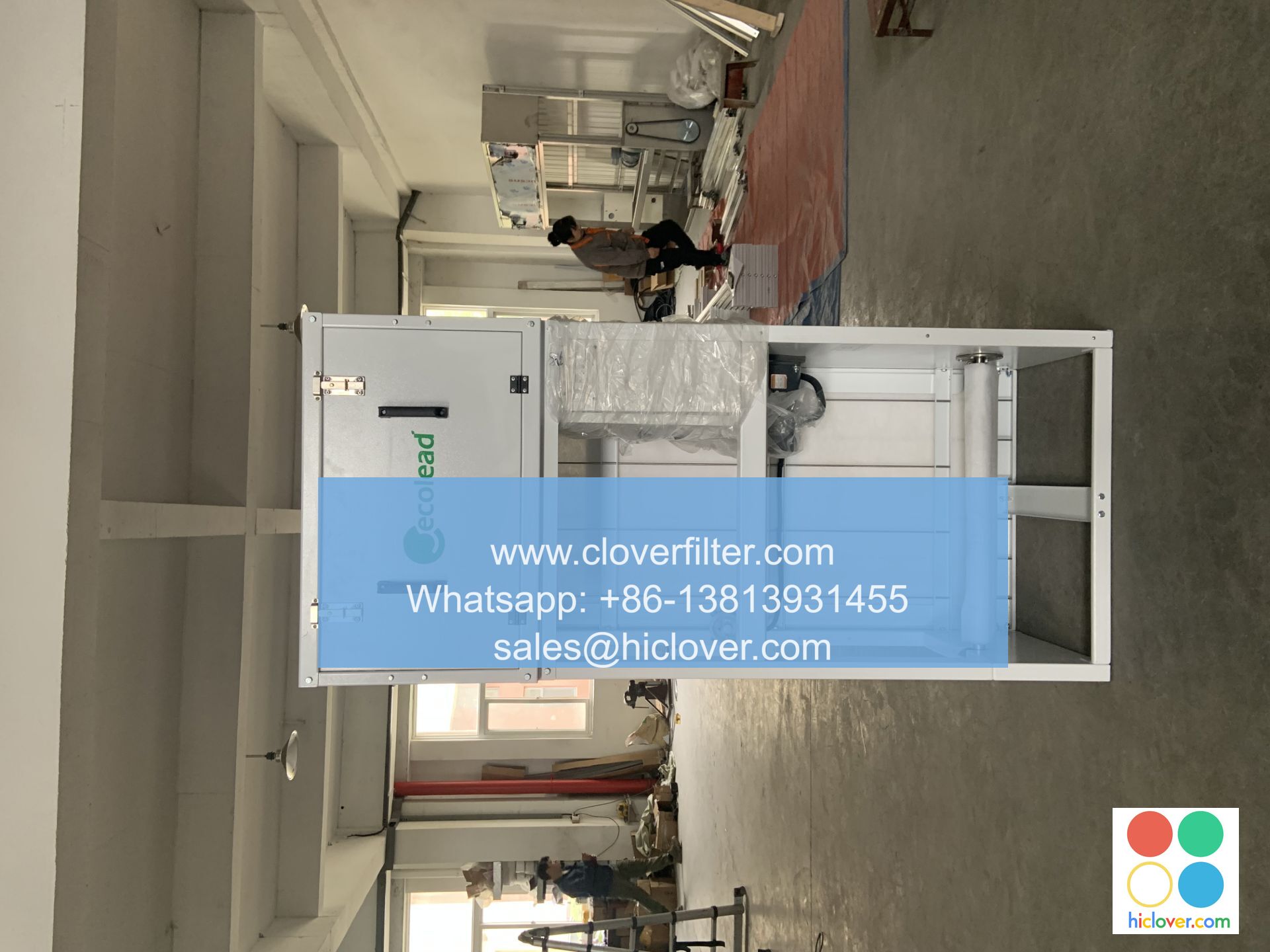
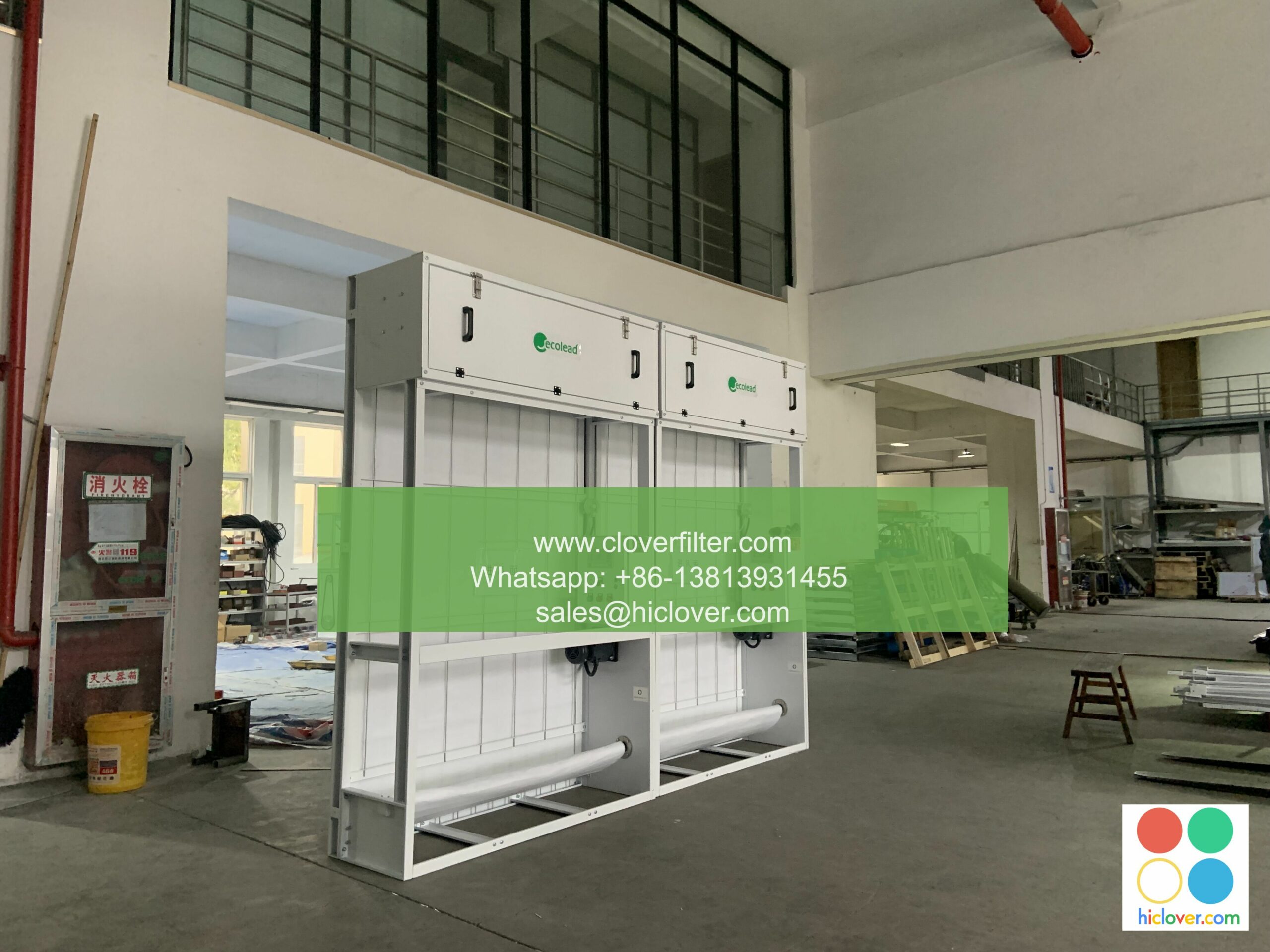
Air filter news often focuses on innovations in filtration technology, and one of the latest advancements is the Automatic Roll Air Filter. This filtration system uses a roll media that advances based on differential pressure trigger points, allowing for a continuous clean surface and improved air quality. The automatic mechanism operates on a timer mode, optimizing the airflow without manual intervention. This makes it particularly beneficial in HVAC and Air Handling Unit (AHU) systems, where efficient filtration is vital for maintaining air quality and system performance.
How Automatic Roll Filters Work
Automatic Roll Air Filters consist of a rolled-up media stored on a spindle. As the air passes through the filter, debris accumulates on the media surface. When a predetermined level of differential pressure is detected, the system automatically advances the roll to present a fresh media surface. This intelligent mechanism minimizes the frequency of manual maintenance and reduces the risk of air quality degradation.
In addition to aesthetic and functional benefits, these filters can also be programmed for scheduled maintenance based on usage patterns, further enhancing the efficiency of HVAC systems.
Selecting the Right Air Filter

When choosing an air filter, several factors must be considered to guarantee optimal performance. Below is a practical selection guide that highlights critical elements:
- Airflow Range: Ensure the filter can handle the specific airflow requirements of your application.
- Face Velocity: Assess the appropriate speed at which air passes through the filter to optimize performance.
- Media Width/Length: Depending on the installation space and filtration needs, choose suitable dimensions.
- Frame Size: Match the frame size to your specific unit to ensure a proper fit.
- Control Options: Look for filters with automation capabilities for easy monitoring and control.
- Power Supply: Verify compatibility with your HVAC system’s electrical requirements.
- Installation Location: Determine whether the filter will be placed at fresh air intake, return, or processing areas.
Comparison of Filter Types
Here’s a comparison of the Automatic Roll Air Filter against other common types of filters:
| Filter Type | Best Use Case | Maintenance | Pressure Drop Behavior | Operating Cost | Typical Risk/Downside |
|---|---|---|---|---|---|
| Automatic Roll Air Filter | High-traffic clean areas | Low | Low to Moderate | Moderate | Initial capital expense |
| Bag Filter | General industrial | Moderate | Moderate | Low | Higher maintenance costs |
| Panel Filter | General offices | High | High | Low | Shorter lifespan |
| V-bank | Heavy-duty applications | Moderate | Low to Moderate | Moderate | Bulky installation |
Common Mistakes & How to Avoid Them
- Failing to consider airflow rates specific to the environment.
- Neglecting maintenance schedules, leading to reduced efficiency.
- Using filters that do not meet the MERV or ISO 16890 standards, risking air quality.
- Overestimating the size of the filter needed, which can reduce effectiveness.
- Ignoring pressure drop data, resulting in increased energy costs.
- Underestimating the importance of selecting the right media type.
- Misplacing filters in incorrect installation locations.
- Not regularly monitoring differential pressure readings.
- Disregarding environmental variables such as humidity and temperature.
- Assuming all filters are interchangeable without understanding their specific properties.
Real-World Scenarios
Data Center
A large tech company upgraded to an Automatic Roll Air Filter to manage the high-density airflow and particulate control. This change resulted in improved energy efficiency, decreased maintenance time, and maintained optimal equipment performance.
Lithium Battery Factory
In a lithium battery manufacturing facility, air quality is paramount for both safety and product integrity. The implementation of CloverFilter’s automatic roll media significantly enhanced the filtration process. This reduced particulate buildup, maintaining compliance with safety regulations.
Paint Shop
A paint booth faced challenges with airborne contaminants affecting finish quality. The installation of an Automatic Roll Air Filter optimized fresh air intake, leading to improved paint application and reduced defects due to airborne particles.
Textile and Steel/Cement Plants
In textile mills and cement manufacturing plants, dust control is essential. By integrating CloverFilter’s roll filter technology, these facilities observed a notable decrease in maintenance costs and enhanced particulate removal, promoting a healthier working environment.
FAQ Section
Q1: What are the common types of air filters used in HVAC systems?
A1: The most common types are panel filters, bag filters, V-bank filters, and automatic roll filters.
Q2: How often should air filters be replaced?
A2: Replacement frequency depends on usage and environmental factors but should typically be checked every 1-3 months.
Q3: What is MERV, and why is it important?
A3: Minimum Efficiency Reporting Value (MERV) indicates a filter’s effectiveness at capturing particles; higher MERV ratings reflect better filtration.
Q4: Can Automatic Roll Air Filters reduce energy consumption?
A4: Yes, because they minimize pressure drops and maintain airflow efficiency.
Q5: What makes CloverFilter’s offerings unique?
A5: CloverFilter focuses on automation and maintenance reduction, providing filters designed for robust industrial applications.
Q6: Is compliance with filtration standards important?
A6: Yes, adherence to standards like ISO 16890 ensures effective air quality control.
Conclusion
Navigating air filter news and trends in HVAC systems is vital for anyone involved in procurement or engineering in various industries. Understanding the capabilities and benefits of products like the Automatic Roll Air Filter from CloverFilter can lead to significant operational advantages. These filters not only ensure compliance and air quality but also contribute to energy savings and reduced maintenance efforts.
For more comprehensive insights into choosing the right air filtration solutions for your facility, visit CloverFilter, or reach out for tailored advice at CloverFilter Contact.
Meta Description: Learn about air filters and HVAC systems. Discover how Automatic Roll Air Filters enhance efficiency and reduce maintenance.
Of course! What kind of prompt are you looking for? It could be for creative writing, brainstorming ideas, a specific topic, or something else entirely. Let me know how I can assist you!
