Air Filters Explained: A Hands-On Demonstration
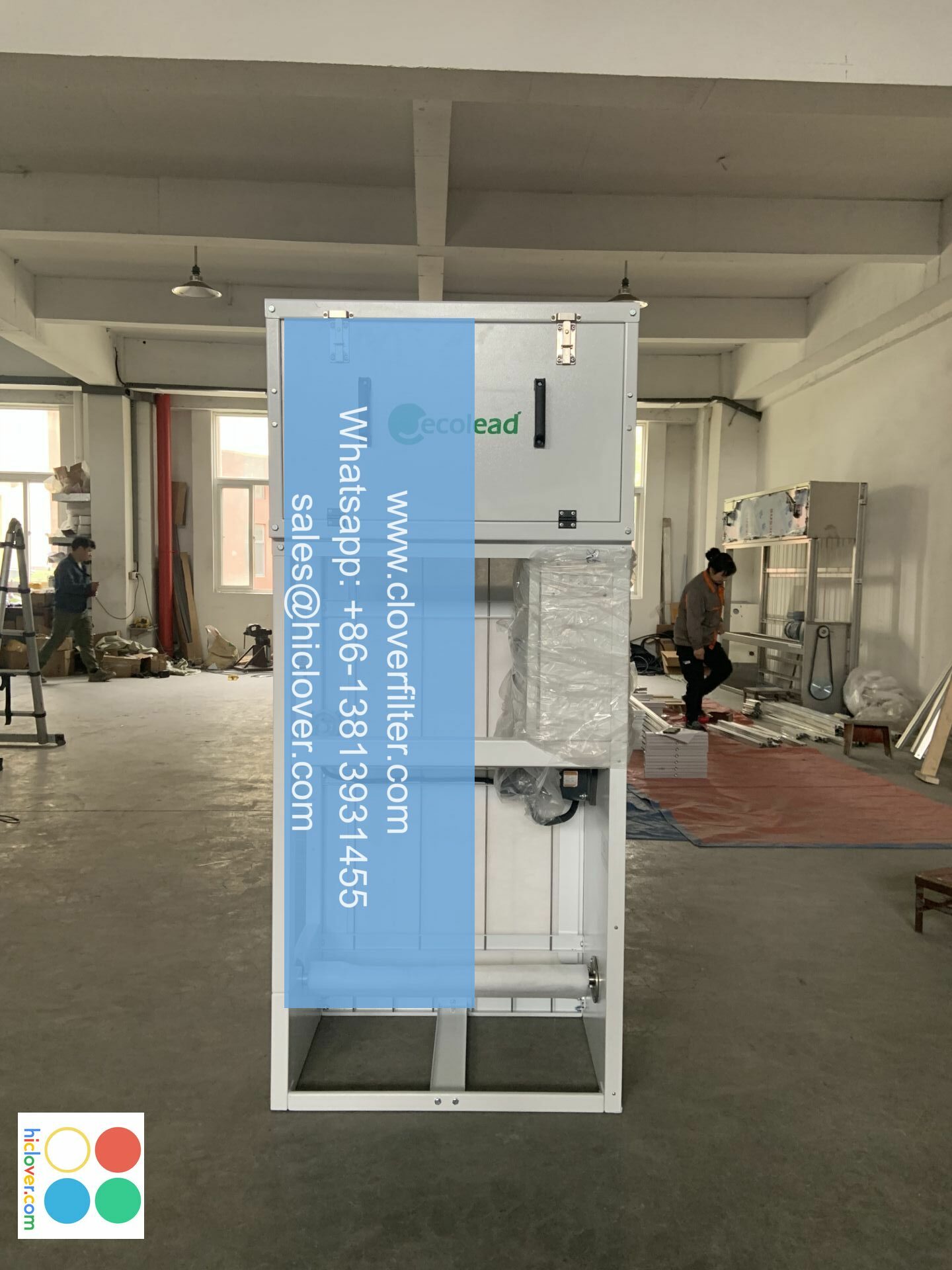
Air filters play a crucial role in maintaining air quality across various environments, from industrial facilities to residential homes. In this article, we will explore the significance of air filters, different types available, and present a hands-on demonstration to highlight their functionality.
Understanding Air Filters
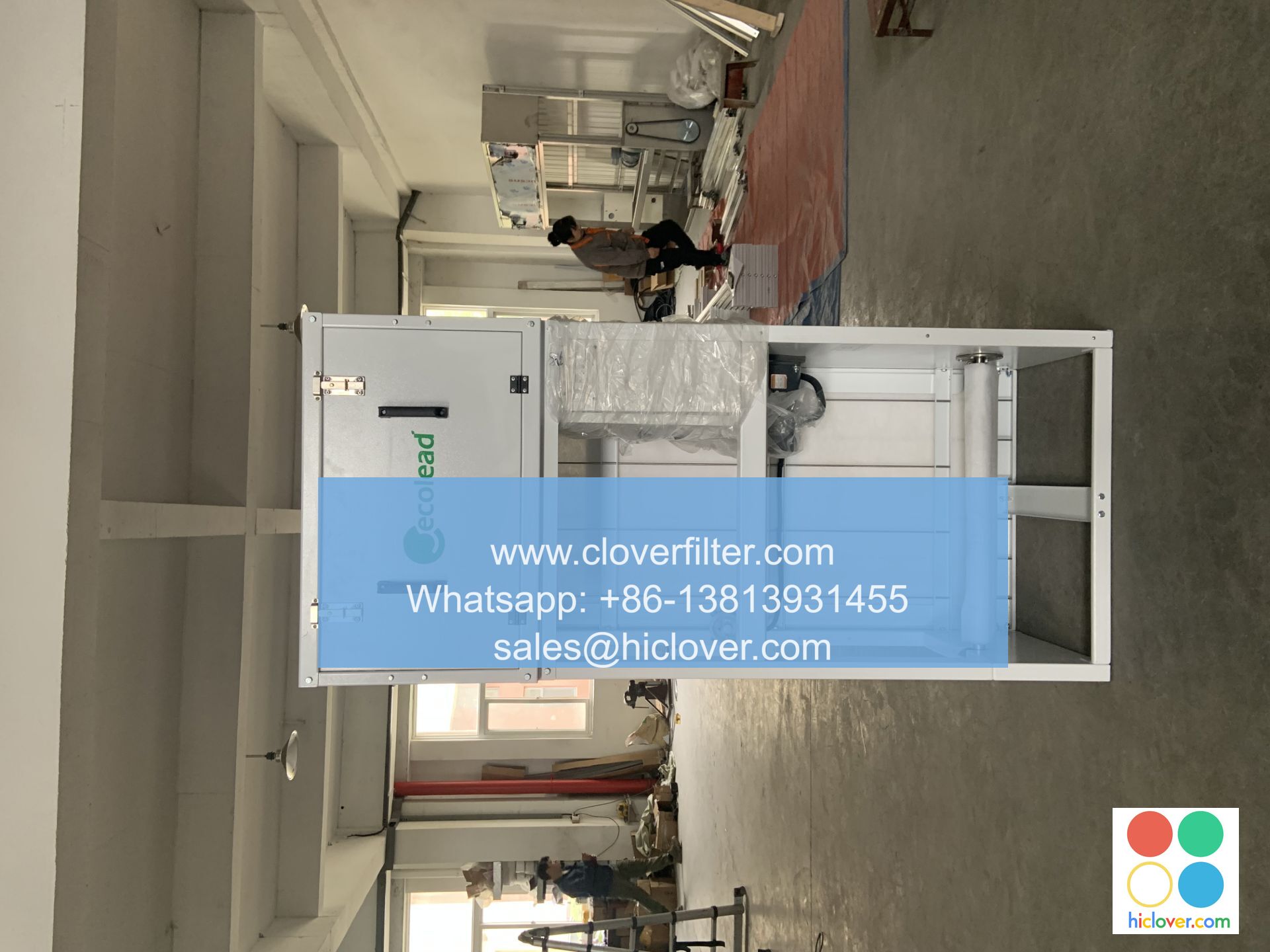
At its core, an air filter is designed to remove contaminants from the air, ensuring cleaner and healthier airflow in any setting. These contaminants can include dust, pollen, smoke, and even bacteria and viruses. With air quality becoming increasingly important, understanding how air filters operate can help you choose the right one for your application.
Types of Air Filters
Different types of air filters serve various purposes and are selected based on specific needs. Here are the key types:
1. HEPA Filters
High-Efficiency Particulate Air (HEPA) filters are designed to trap at least 99.97% of particles that are 0.3 microns in diameter. This strong performance makes them ideal for hospitals and clean rooms where contamination must be kept to a minimum.
2. Activated Carbon Filters
These filters are great for eliminating odors and volatile organic compounds (VOCs) from the air. Activated carbon absorbs gases and can be particularly useful in kitchens and chemical labs.
3. Electrostatic Filters
Utilizing electrostatic energy, these filters attract and collect dust particles more efficiently. They can be beneficial in residential settings where cost-effectiveness and efficiency are important.
Application Areas
Air filters are applied in various sectors, including:
- Residential Homes: To improve indoor air quality, often seen in HVAC systems.
- Commercial Buildings: Used in HVAC systems to provide a healthy workplace.
- Industrial Facilities: Employed to control airborne pollutants and protect both workers and machinery.
- Aquariums: Ensuring the water remains clean by filtering out particulate matter.
Hands-On Demonstration
To illustrate the effectiveness of air filters, we conducted a simple hands-on demonstration using three types of air filters: HEPA, activated carbon, and electrostatic. The objective was to assess how well each filter could improve air quality in a controlled environment.
Setup
We set up a small room filled with common allergens such as dust and pollen, and used an air quality monitoring device to establish baseline readings. We then introduced each filter into the space, measuring the air quality at intervals.
Results
After running the HEPA filter for one hour, the air quality readings showed a significant reduction in particulate matter. The activated carbon filter effectively reduced odors while maintaining adequate particulate removal. The electrostatic filter also performed well, demonstrating its cost-effective filtering capabilities.
Conclusion
Understanding the different types of air filters and their applications is essential for anyone looking to improve air quality in their environments. Our hands-on demonstration showcased how effective these filters can be in real-world settings. Whether you are in a residential, commercial, or industrial space, choosing the right filter ensures better air quality, leading to healthier living and working conditions.
It seems like you entered “Prompt.” Could you please provide more details or clarify what kind of prompt you’re looking for? Whether it’s a writing prompt, a question, or something else, I’d be happy to assist!
