Air Filters for Allergy Sufferers: What to Look For
Key Takeaways:
- Understand the role of air filters in reducing allergens.
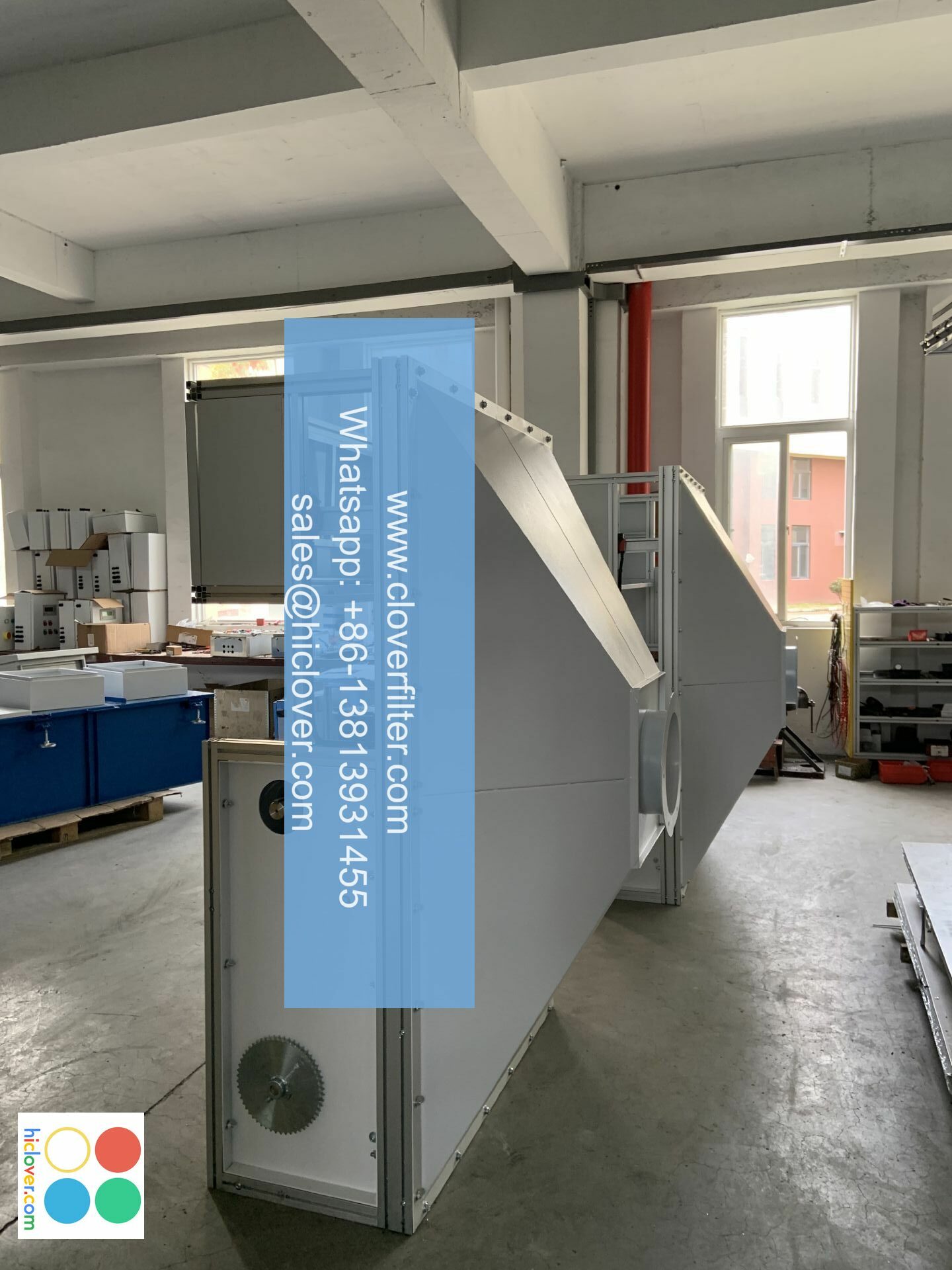
- Consider Automatic Roll Air Filters for efficiency and ease of use.
- Evaluate critical factors like airflow range and installation location.
- Look for features that minimize maintenance and energy costs.
- Make informed decisions by comparing different filter types.
- Explore real-world applications to see filters in action.
- Reference compliance standards such as ISO 16890 and MERV for guidance.
- Airflow Range: Ensure the filter accommodates the airflow specifications of your HVAC system.
- Face Velocity: Choose a filter with an appropriate face velocity to balance efficiency and filtration effectiveness.
- Media Width/Length: Select a roll size that fits the intended application and space constraints.
- Frame Size: Ensure the frame size fits within your existing setup without requiring significant modifications.
- Control Options: Opt for features that allow for remote monitoring and automated adjustments.
- Power Supply: Ensure compatibility with your facility’s existing electrical infrastructure.
- Installation Location: Decide whether the filter will be installed at fresh air intake, return, or process points, as this will affect its performance and maintenance needs.
- Neglecting Airflow Requirements: Always check the airflow range before selecting a filter.
- Ignoring Filter Size: Ensure correct dimensions to prevent air bypass.
- Overlooking Differential Pressure Settings: Set appropriate pressure triggers for optimal performance.
- Focusing Only on Initial Cost: Consider long-term operating costs to gauge overall value.
- Underestimating Maintenance Needs: Factor maintenance into your total cost analysis.
- Selecting Improper Filtration Media: Choose media based on the specific particulate control requirements.
- Failing to Monitor Air Quality Post-Installation: Regularly assess air quality to ensure ongoing effectiveness.
- Not Considering Environmental Impact: Opt for filters that reduce energy consumption and waste.
- Disregarding Compliance Requirements: Always factor in applicable standards such as ISO 16890.
- Choosing Filters Without Manufacturer Support: Look for brands, like CloverFilter, that provide customer assistance and advice.
-
Data Center: A data center implemented an Automatic Roll Air Filter to combat heat and humidity while ensuring minimal dust particles entered sensitive equipment. Maintenance reduced significantly, enhancing system longevity and performance.
-
Battery Factory: In a lithium battery production facility, advances in filter technology helped maintain air quality, reducing contamination risks. The installation resulted in lower differential pressure across the system, optimizing energy use.
-
Paint Shop: In a paint booth, an Automatic Roll Air Filter maintained strict particulate control, ensuring the safety of workers and remarkable color finish quality by minimizing contaminants in the air.
-
Textile and Steel/Cement Plants: Setting up these filters in textile mills and cement plants offered robust particulate control, significantly lowering maintenance durations and energy costs while protecting equipment from dust accumulation.
The Importance of Air Filters in Allergy Control

Air filters play a vital role in maintaining air quality, particularly for allergy sufferers. An effective air filter can significantly reduce the presence of dust, pollen, mold, and other allergens in a given space. The correct air filter helps create a cleaner, healthier environment, particularly essential in settings like hospitals, data centers, and manufacturing plants. Therefore, it is crucial to navigate the air filter sitemap and understand which choices best suit your needs.
Understanding Automatic Roll Air Filters
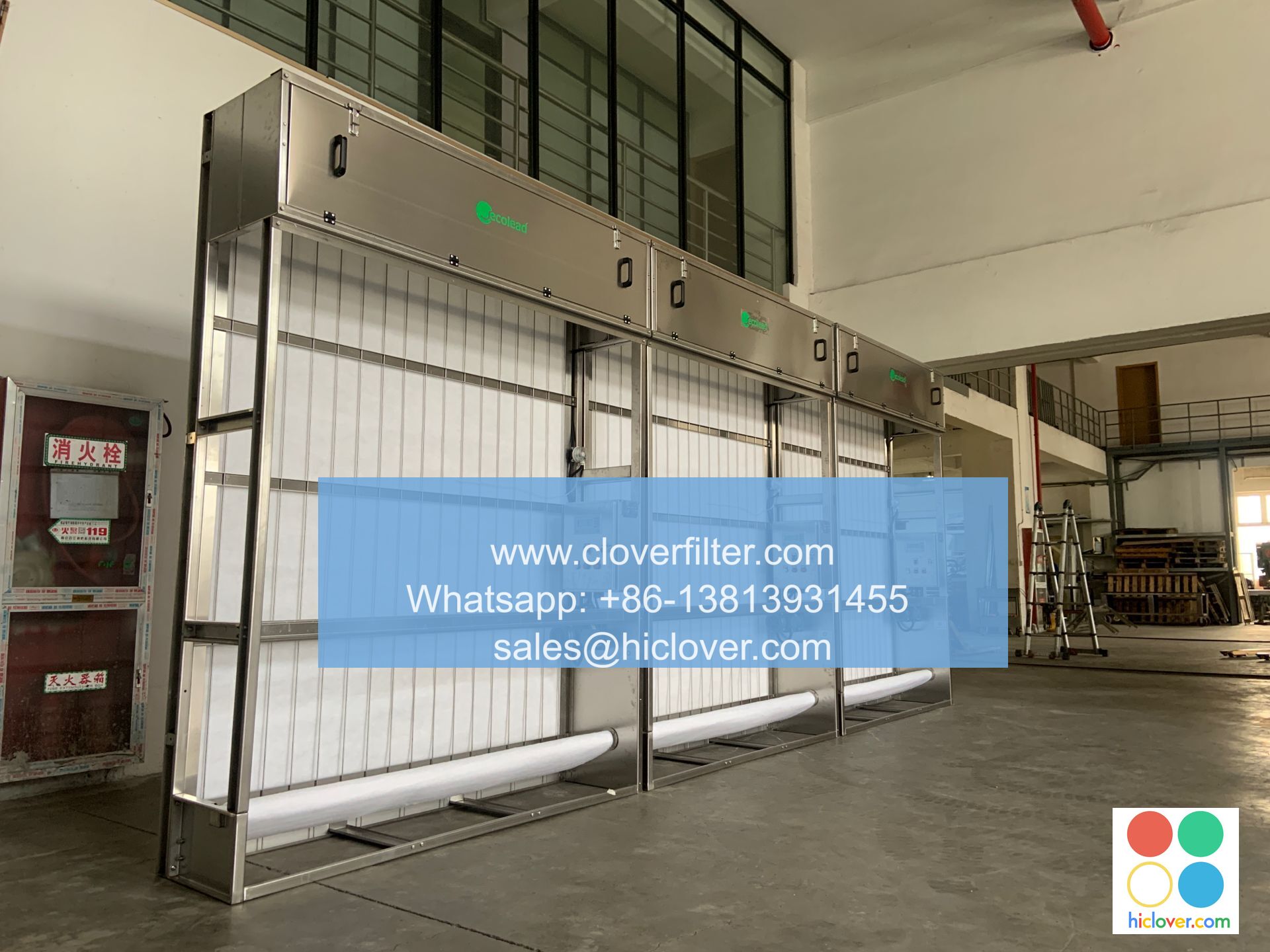
An Automatic Roll Air Filter is a sophisticated system designed to enhance air quality by gradually advancing roll media in response to pressure changes. The filter operates on a differential pressure trigger, automatically adjusting based on the condition of the air being filtered. When the pressure exceeds a specified level, the roll media advances to place a new, clean section in service. This process can be configured to operate on a timer, ensuring that the air quality remains consistent without excessive manual maintenance.
This type of filter is particularly suitable for HVAC systems and Air Handling Units (AHUs) that require robust filtration. The Automatic Roll Air Filter ensures a steady supply of fresh air intake while maintaining compliance with various standards, including ISO 16890.
Selection Guide for Air Filters
When choosing the right air filter, certain specifications must be met. Here are key factors to consider:
Comparative Analysis of Air Filter Options
Here’s a straightforward comparison of the Automatic Roll Air Filter against other types of filters commonly used in industrial applications:
| Filter Type | Best Use Case | Maintenance | Pressure Drop Behavior | Operating Cost | Typical Risk/Downside |
|---|---|---|---|---|---|
| Automatic Roll Air Filter | High-efficiency environments | Minimal (automatic roll change) | Low | Moderate (varies by system) | Initial cost can be high |
| Bag Filter | General HVAC use | Moderate (manual replacement) | Moderate to high | Low to moderate | Can clog more quickly |
| Panel Filter | Light-duty applications | Frequent replacement needed | Low | Low | Lower dust holding capacity |
| V-bank Filter | High dust concentration | High maintenance | Moderate | Moderate to high | Requires regular servicing |
Common Mistakes & How to Avoid Them
Real-World Scenarios
FAQ Section
Q1: How do I know what size air filter I need?
A1: Measure your existing air handling unit’s filter size or consult manufacturer specifications.
**Q2: What is the advantage
It seems like you might be looking for a prompt or specific topic to discuss. Could you please provide more details or clarify what you need help with? Whether it’s a writing prompt, a discussion topic, or something else, I’m here to assist!
