Air Filters for Dry Climates: A Guide to Clean Air in Arid Environments
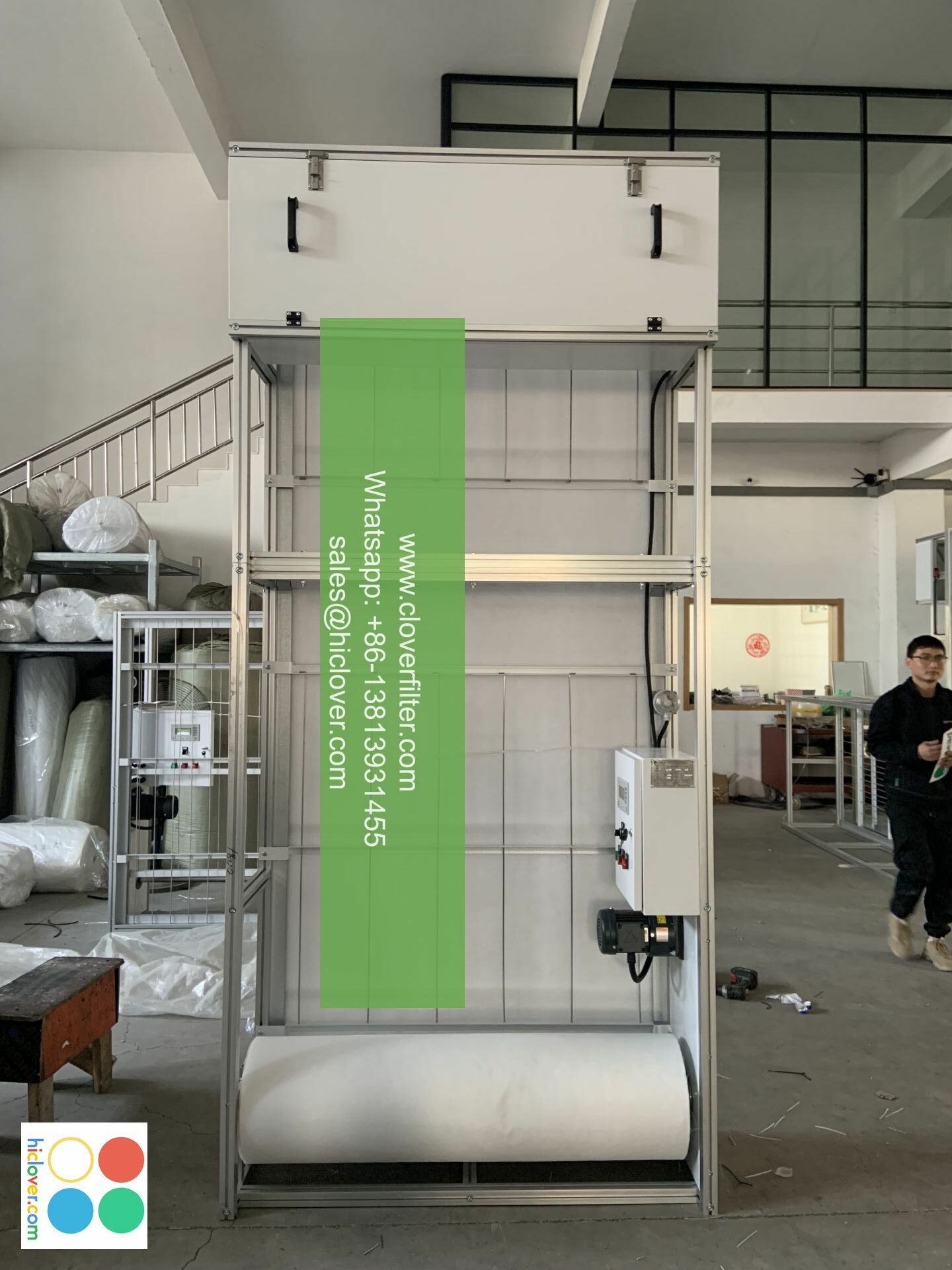
Living in a dry climate can be challenging, especially when it comes to maintaining good indoor air quality. Dry air can exacerbate respiratory issues, irritate skin and eyes, and even damage furniture and electronics. In this article, we will explore the importance of air filters for dry climates, highlighting various application areas, and discuss the best types of filters to use in arid environments.
Understanding the Challenges of Dry Climates
Dry climates are characterized by low humidity levels, which can lead to a range of problems. Dry air can cause:
* Respiratory issues, such as bronchitis and asthma
* Skin and eye irritation
* Damage to furniture and electronics due to static electricity
* Increased risk of dust and particulate matter accumulation
In such environments, it is crucial to use air filters that can effectively remove dust, pollen, and other particles from the air, while also controlling humidity levels.
Key Considerations for Air Filters in Dry Climates
When selecting air filters for dry climates, there are several key considerations to keep in mind:
* MERV rating: Look for filters with a high MERV (Minimum Efficiency Reporting Value) rating, which measures a filter’s ability to remove particles from the air. A higher MERV rating indicates better filtration.
* Humidity control: Consider filters that can control humidity levels, such as those with built-in humidistats or evaporative cooling systems.
* Filter media: Choose filters with media that can withstand dry conditions, such as synthetic or fiberglass filters.
* Airflow rate: Ensure the filter can handle the required airflow rate for your space, taking into account factors like room size and occupancy.
Application Areas for Air Filters in Dry Climates
Air filters can be used in various application areas in dry climates, including:
* Residential HVAC systems: Use high-MERV filters in residential HVAC systems to remove dust, pollen, and other particles from the air.
* Commercial buildings: Install air filters in commercial buildings, such as offices, schools, and hospitals, to maintain good indoor air quality and reduce the risk of respiratory issues.
* Industrial settings: Use air filters in industrial settings, such as manufacturing facilities and warehouses, to control dust and particulate matter accumulation.
* Transportation systems: Install air filters in vehicles, such as cars, buses, and trains, to improve indoor air quality and reduce the risk of respiratory issues.

Types of Air Filters for Dry Climates
There are several types of air filters that can be used in dry climates, including:
* HEPA filters: High-Efficiency Particulate Air (HEPA) filters can remove 99.97% of particles as small as 0.3 microns, making them an excellent choice for dry climates.
* Activated carbon filters: Activated carbon filters can remove odors, gases, and volatile organic compounds (VOCs) from the air, which can be beneficial in dry climates.
* Electrostatic filters: Electrostatic filters use an electrostatic charge to attract and trap particles, making them a good option for dry climates.
* Ultraviolet (UV) filters: UV filters use UV light to kill bacteria, viruses, and other microorganisms, which can be beneficial in dry climates where the risk of illness is higher.
Conclusion
In conclusion, air filters play a crucial role in maintaining good indoor air quality in dry climates. By understanding the challenges of dry climates and considering key factors like MERV rating, humidity control, and filter media, you can select the best air filter for your needs. Whether you’re looking to improve indoor air quality in your home, office, or industrial setting, there is an air filter solution available to meet your needs. Remember to highlight the importance of regular filter maintenance and replacement to ensure optimal performance and effectiveness. You haven’t asked a question or provided a prompt for me to respond to. Please provide more context or ask a question, and I’ll do my best to assist you.
