Air Filters for Laboratories: A Guide to Clean Air in Scientific Environments
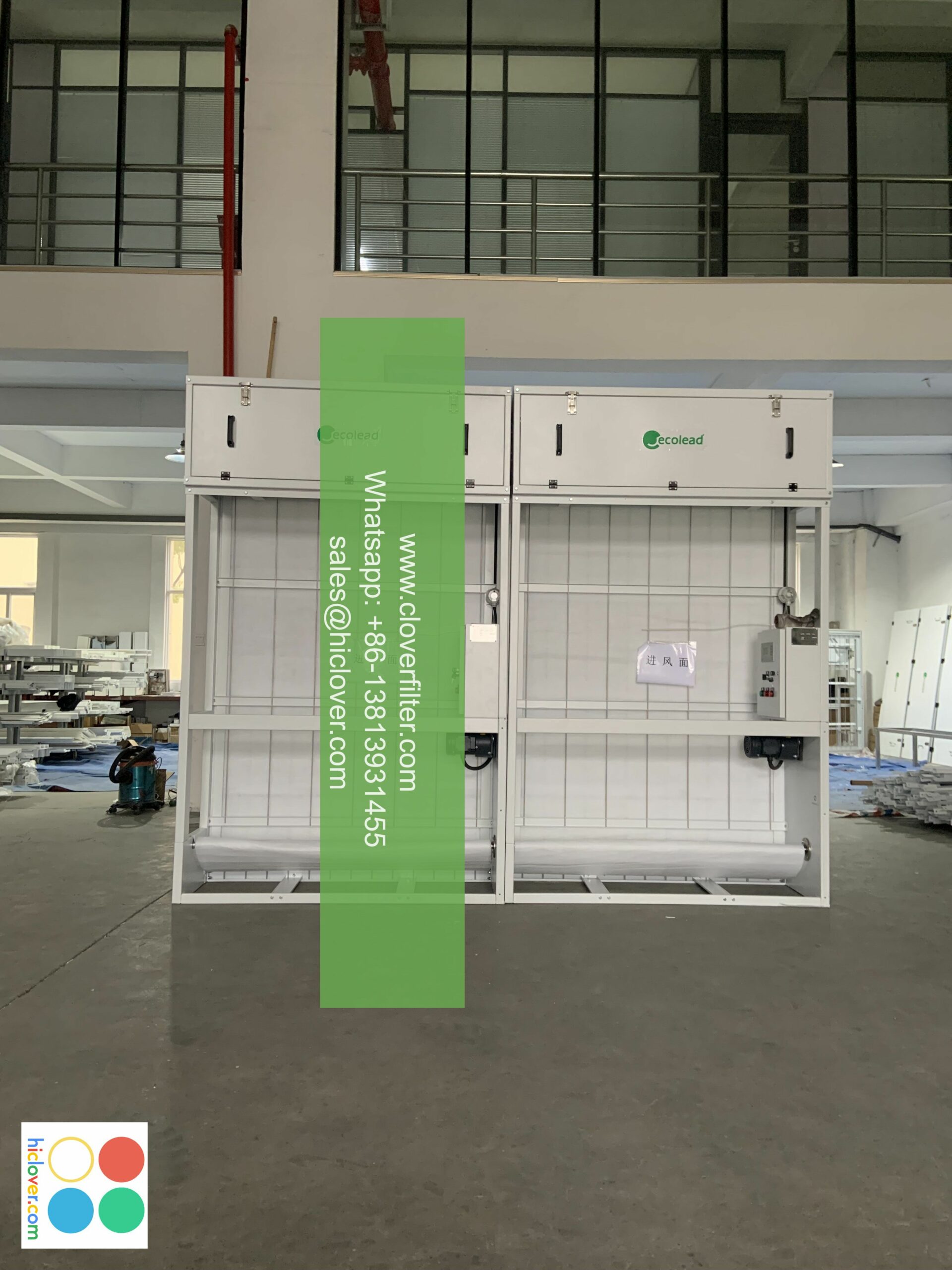
Maintaining clean air in laboratory settings is crucial for ensuring the accuracy of experimental results, protecting the health and safety of researchers, and preventing contamination. High-quality air filters play a vital role in achieving these goals by removing airborne particles, bacteria, and other impurities. In this article, we will delve into the world of laboratory air filtration systems, highlighting their importance, types, and applications in various scientific environments.
The Importance of Clean Air in Laboratories
Laboratories are prone to airborne contamination due to the presence of hazardous chemicals, biological agents, and other potentially harmful substances. Airborne particles, such as dust, pollen, and microorganisms, can compromise experimental results, damage sensitive equipment, and pose health risks to researchers. Effective air filtration systems can mitigate these risks by removing 99.97% of particles as small as 0.3 microns, including bacteria, viruses, and other microorganisms.
Types of Air Filters for Laboratories
Several types of air filters are available for laboratory use, each with its unique characteristics and applications. Some of the most common types include:
* HEPA (High Efficiency Particulate Air) filters: These filters are designed to capture 99.97% of particles as small as 0.3 microns and are commonly used in biological laboratories, pharmaceutical laboratories, and other areas where high levels of air purity are required.
* ULPA (Ultra Low Penetration Air) filters: These filters have an even higher efficiency than HEPA filters and are used in applications where ultra-clean air is essential, such as in nanotechnology research and semiconductor manufacturing.
* Activated carbon filters: These filters are designed to remove gases, vapors, and odors from the air and are commonly used in chemical laboratories and other areas where hazardous chemicals are handled.
Application Areas for Laboratory Air Filters
Laboratory air filters have a wide range of applications in various scientific environments, including:
* Biological laboratories: Air filters are used to prevent the spread of airborne pathogens and to maintain a sterile environment for cell cultures, microbiology, and other biological research.
* Pharmaceutical laboratories: Air filters are used to ensure the quality and purity of pharmaceutical products by removing airborne contaminants and preventing cross-contamination.
* Chemical laboratories: Air filters are used to remove hazardous chemicals and vapors from the air, protecting researchers from chemical exposure and preventing environmental pollution.
* Nanotechnology research: Air filters are used to maintain ultra-clean air environments, which are essential for the production and characterization of nanoparticles.
* Food and beverage testing laboratories: Air filters are used to prevent cross-contamination and ensure the accuracy of test results by removing airborne particles and microorganisms.

Conclusion
In conclusion, air filters play a critical role in maintaining clean air in laboratory settings, protecting researchers, and ensuring the accuracy of experimental results. By understanding the different types of air filters and their applications in various scientific environments, laboratories can select the most suitable air filtration system for their specific needs. Whether it’s for biological research, pharmaceutical manufacturing, or nanotechnology development, high-quality air filters are essential for achieving clean air and ultra-clean environments in laboratories. It looks like you didn’t include a prompt. Please go ahead and provide one, and I’ll do my best to assist you!
