Air Filters for Transportation Systems: Improving Air Quality
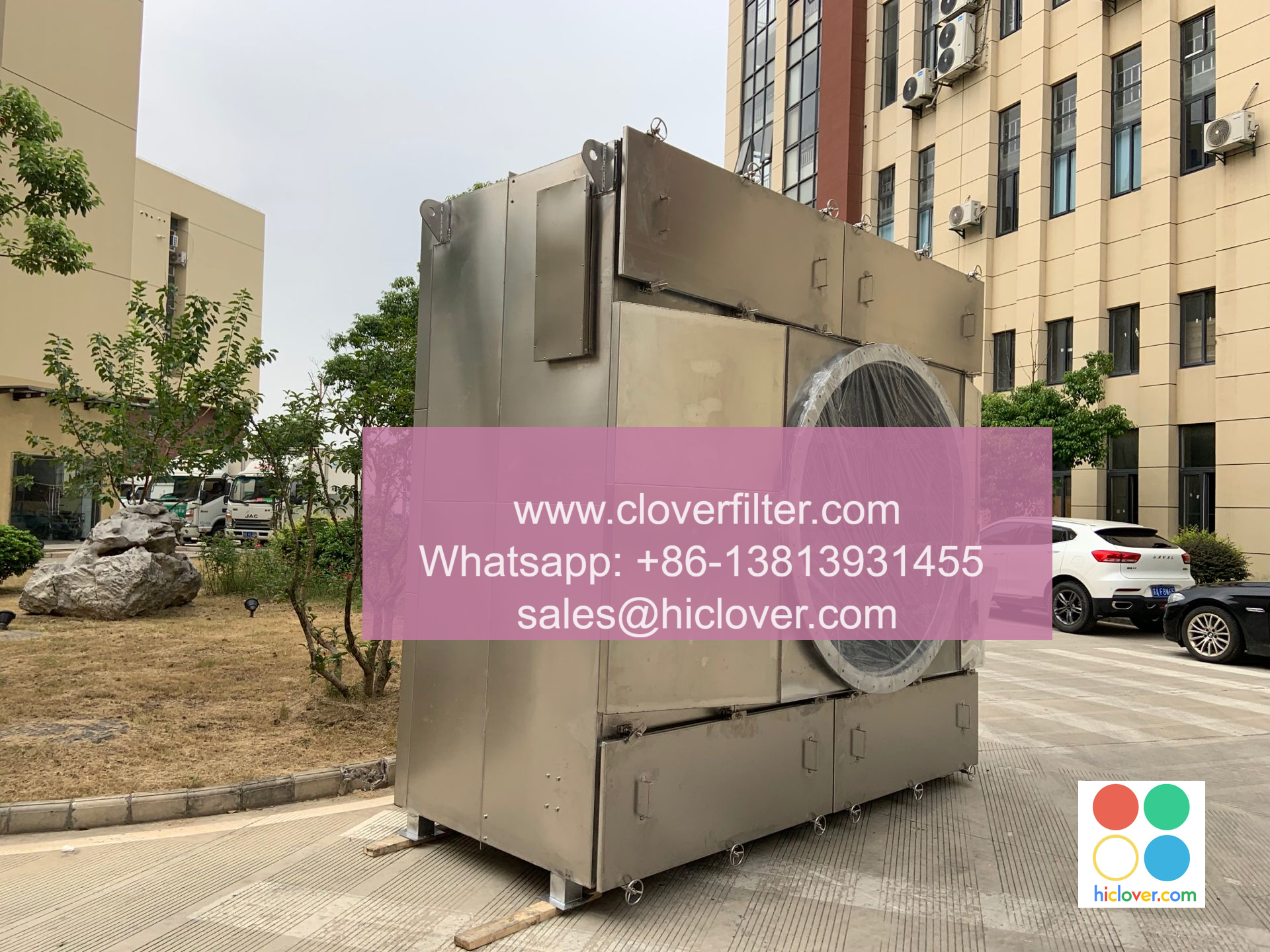
Air filters play a crucial role in maintaining good air quality in transportation systems, including heating, ventilation, and air conditioning (HVAC) systems, air purification systems, and clean room technology. The use of high-quality air filters can significantly improve the air quality in transportation systems, reducing the risk of airborne diseases, allergies, and respiratory problems.
Application Areas of Air Filters in Transportation Systems
Air filters are used in various application areas in transportation systems, including:
- Automotive air filters: used in vehicles to improve air quality and reduce particulate matter (PM), nitrogen dioxide (NO2), and volatile organic compounds (VOCs).
- Air filters for public transportation: used in buses, trains, and subways to improve air quality and reduce the risk of airborne diseases.
- Air filters for aircraft: used in airplanes to improve air quality and reduce the risk of airborne diseases and jet lag.
- Marine air filters: used in ships and boats to improve air quality and reduce the risk of airborne diseases and sea sickness.
- HEPA filters: high-efficiency particulate air filters that can capture 99.97% of particles as small as 0.3 microns.
- Activated carbon filters: used to capture gases and odors in the air.
- UV air purifiers: used to kill bacteria and viruses in the air.
- Ionizers: used to capture particles and pollutants in the air.
- Improved air quality: reducing the risk of airborne diseases and
- Increased passenger comfort: reducing the risk of allergies and discomfort.
- Reduced maintenance costs: reducing the risk of corrosion and damage to equipment.
- Improved fuel efficiency: reducing the risk of engine damage and fuel waste.

Types of Air Filters Used in Transportation Systems
There are several types of air filters used in transportation systems, including:

Benefits of Using Air Filters in Transportation Systems
The use of air filters in transportation systems can provide several benefits, including:
Conclusion
In conclusion, air filters play a crucial role in maintaining good air quality in transportation systems. The use of high-quality air filters can significantly improve the air quality, reducing the risk of airborne diseases, allergies, and respiratory problems. By understanding the different types of air filters and their application areas, transportation system operators can make informed decisions about the best air filters to use in their systems. It looks like you didn’t include a prompt for me to respond to. Can you please provide one? I’d be happy to chat with you about a topic, answer a question, or engage in a fun conversation. What’s on your mind?
