Air Filters in Disaster Response and Recovery
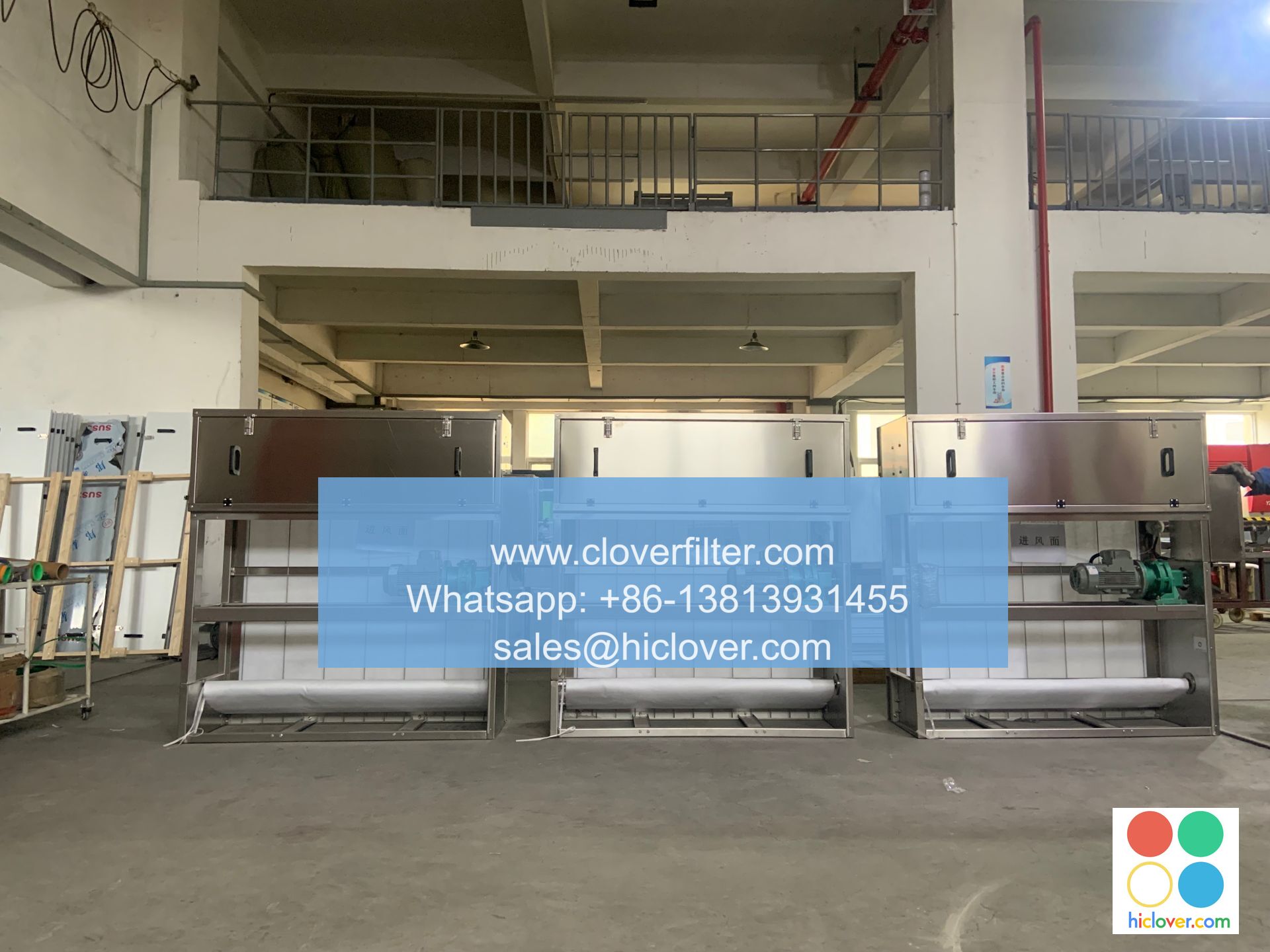
Disasters, whether natural or man-made, can have devastating effects on communities and ecosystems. In the aftermath of such events, air quality management becomes a pressing concern. Air filters play a vital role in disaster response and recovery efforts, helping to mitigate the impact of airborne pollutants and contaminants. In this article, we will explore the importance of air filters in disaster scenarios and highlight various application areas.
Types of Disasters and Air Quality Concerns
Disasters can be broadly categorized into natural disasters (e.g., hurricanes, wildfires, earthquakes) and man-made disasters (e.g., industrial accidents, terrorist attacks). Each type of disaster poses unique air quality challenges. For instance, wildfires can release large amounts of particulate matter (PM) and volatile organic compounds (VOCs) into the air, while industrial accidents can release toxic gases and chemical vapors.
Air Filter Applications in Disaster Response
Air filters are used in various applications during disaster response and recovery, including:
* Portable air purifiers for emergency shelters and temporary housing
* HEPA filters for hospitals and medical facilities
* Gas masks and respirators for first responders and emergency personnel
* Air cleaning systems for large-scale indoor spaces, such as schools and community centers
Air Filter Technologies for Disaster Response
Various air filter technologies are used in disaster response, including:
* Activated carbon filters for removing VOCs and gases
* UV-C light technology for disinfecting surfaces and air
* Nanofiber filters for capturing ultra-fine particles
* Biological filters for removing biological contaminants, such as bacteria and viruses

Air Filters in Recovery Efforts
In the recovery phase, air filters continue to play a crucial role in indoor air quality management. As buildings are rebuilt or restored, air filters help to remove construction dust and other pollutants that can aggravate respiratory problems. Additionally, air filters can help to prevent mold growth and reduce the risk of airborne diseases.
Long-Term Benefits of Air Filters in Disaster Recovery
The use of air filters in disaster recovery efforts can have long-term benefits, including:
* Improved indoor air quality
* Reduced risk of respiratory problems
* Enhanced occupant health and well-being
* Increased energy efficiency through reduced HVAC system strain
Conclusion
In conclusion, air filters are a critical component of disaster response and recovery efforts. By removing airborne pollutants and contaminants, air filters help to mitigate the impact of disasters on communities and ecosystems. As disaster resilience and sustainability become increasingly important, the role of air filters in air quality management will only continue to grow. Whether used in emergency response, recovery efforts, or long-term indoor air quality management, air filters are an essential tool in the quest for a safer, healthier, and more resilient future.
I’m ready to help. What would you like to talk about or ask? Do you have a specific topic in mind or would you like me to suggest some conversation starters?
Here are a few ideas to get us started:
- Trivia: I can generate a random trivia question for you to answer.
- Word game: We can play a game like Hangman or Word Jumble.
- Storytelling: I can start telling a story, and you can continue it.
- Debate: We can discuss a thought-provoking topic or a current event.
- Jokes: I can share a joke, and you can try to guess the punchline.
Let me know which direction you’d like to take our conversation!
