Air Filtration in Aerospace Cleanrooms: The Science Behind Automatic Roll Air Filters
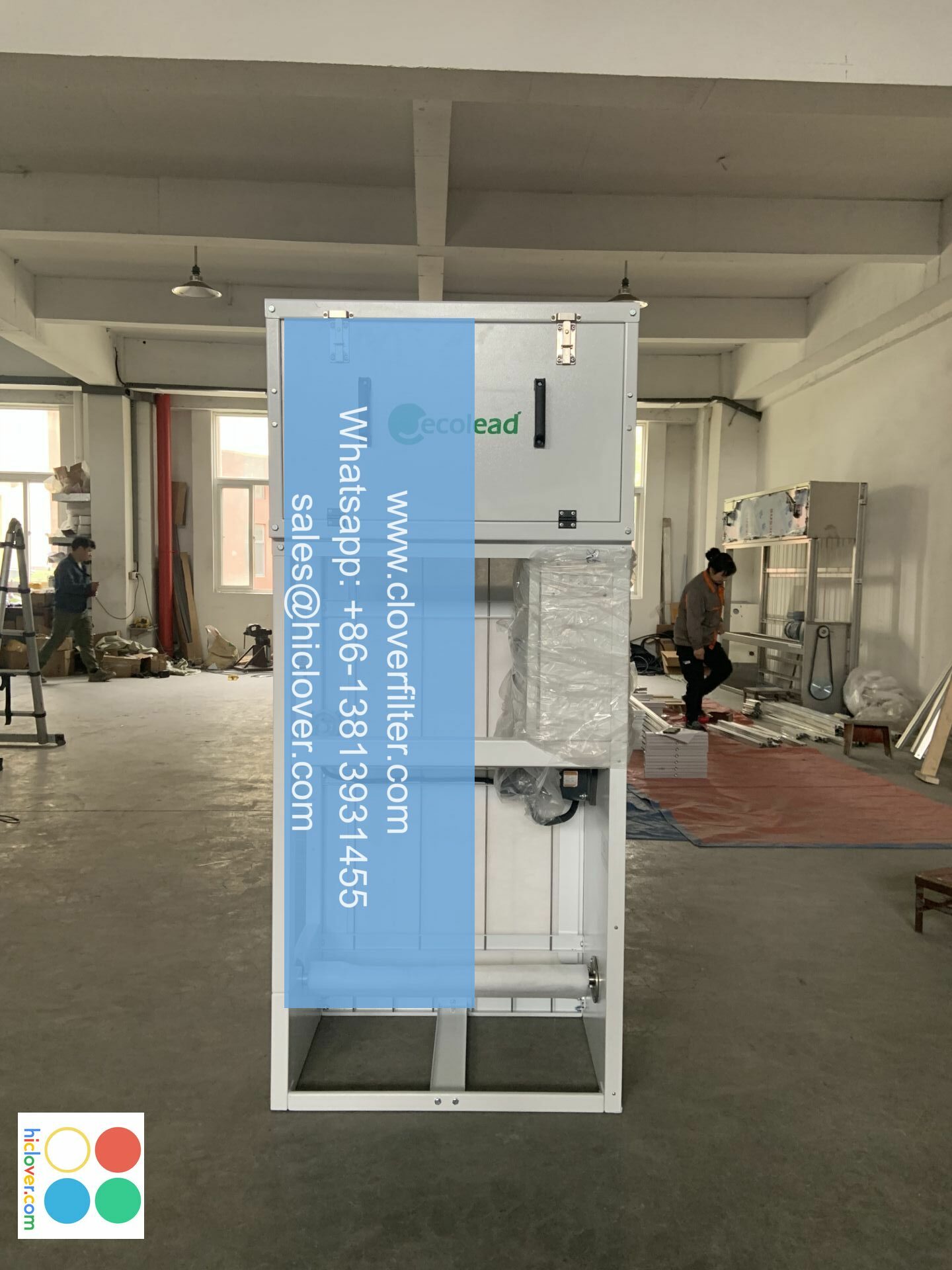
Cleanroom environments are crucial in the aerospace industry, where even the slightest contaminants can lead to catastrophic failures. Air filtration systems in these cleanrooms play a vital role in maintaining the integrity of aerospace components and assembly areas. One of the most advanced technologies in this domain is the Automatic Roll Air Filter. This article delves into the science behind these filters and their applications in aerospace cleanrooms.
The Importance of Air Filtration in Aerospace Cleanrooms

In aerospace manufacturing and assembly, the slightest impurities in the air can compromise the quality of sensitive components. Contaminants, including dust, microbes, and chemical vapors, can settle on surfaces, interfere with delicate machinery, and even affect the performance of airborne systems.
Key Characteristics of Aerospace Cleanrooms
Aerospace cleanrooms are typically classified based on their cleanliness levels, denoted by ISO standards. These standards define the maximum allowable concentration of airborne particles.
- ISO Class 1: Allows merely 12 particles per cubic meter for particles sized 0.5 µm and larger.
- ISO Class 5: A more typical cleanroom standard that permits up to 3,520 particles per cubic meter for the same sizes.

Maintaining these standards requires advanced air filtration technologies, where Automatic Roll Air Filters come into play.
What Are Automatic Roll Air Filters?
Automatic Roll Air Filters are sophisticated air filters that utilize a continuous roll of filter media. The key features of these filters include:
- Automated Operation: Filters can be automatically replaced or cleaned, minimizing downtime and ensuring continuous operation.
- High Filtration Efficiency: The filter media is designed to capture particles as small as 0.1 µm with a high efficiency rating, critical for aerospace applications.
- Cost-Effective: By utilizing roll media, these filters reduce waste and can be more economical over time compared to traditional filter systems.
How Automatic Roll Air Filters Work
The operation of these filters is based on mechanical and electrostatic filtration principles. As air enters the cleanroom, it passes through multiple layers of filter media, which capture contaminants through various mechanisms, including:
- Interception: Particles following the airflow come close enough to filter fibers to adhere to them.
- Inertial Impaction: Larger particles are unable to follow the curve of the airflow and collide with the filter fibers.
- Diffusion: Smaller particles move erratically and are more likely to collide with filter fibers.
This combination of mechanisms results in high levels of particulate removal, crucial for maintaining aerospace standards.
Key Applications of Air Filtration in Aerospace Cleanrooms
Air Filtration systems, particularly Automatic Roll Air Filters, find varied applications in the aerospace industry, including:
1. Component Manufacturing
In the manufacturing of sensitive components like electronic circuits and sensors, contamination can lead to functional failure. Superior air filtration ensures that the environment remains within prescribed cleanliness levels.
2. Assembly Areas
During the assembly of aircraft systems, maintaining a contaminant-free environment is paramount. Automatic Roll Air Filters provide continuous filtration, ensuring that newly assembled components are not compromised.
3. R&D Laboratories
Aerospace research and development laboratories require pristine environments for experiments and component testing. Advanced filtration systems help to ensure the accuracy of test results and the reliability of prototypes.
4. Maintenance Facilities
When repairing or overhauling aircraft, maintaining clean airflow is essential. Automatic Roll Air Filters help ensure that maintenance areas meet stringent cleanliness standards, ultimately prolonging the lifespan of components.
Conclusion: The Future of Air Filtration in Aerospace
As the aerospace industry continues to evolve, the demand for cleaner production and assembly environments rises. Automatic Roll Air Filters represent a forward-thinking solution to meet these needs. With their self-automating technology, high efficiency, and adaptability across various applications, they are sure to play an integral role in the future of air filtration in aerospace cleanrooms.
This strategic investment in air filtration not only enhances safety and reliability but also underscores a commitment to the highest standards of quality in the aerospace sector. As technology advances, we can expect even greater developments in air filtration systems, further strengthening the integrity of aerospace operations.
