Air Filtration in Clean Energy Manufacturing: GE Canada Oakville’s Best Practices
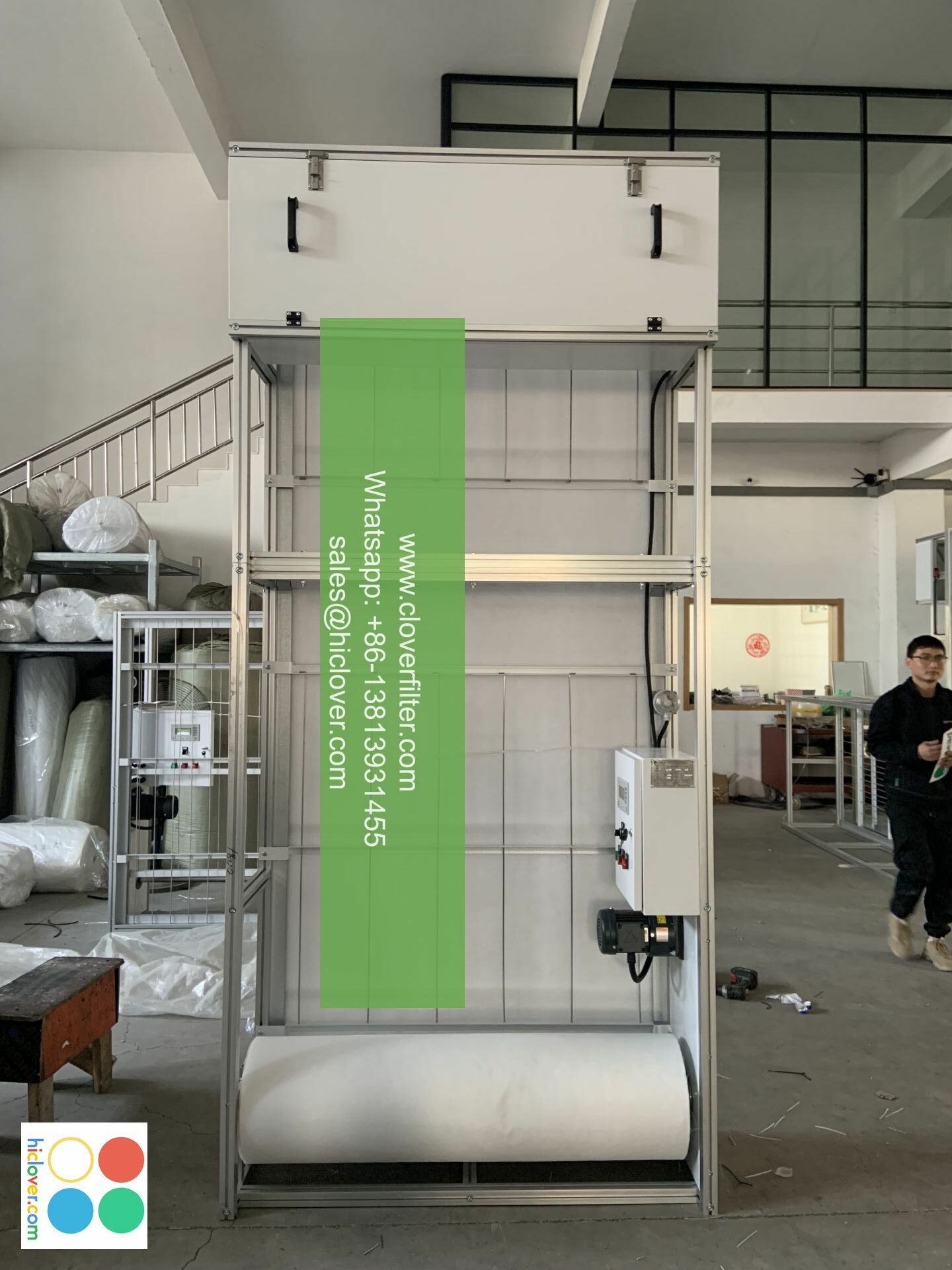
As the world shifts towards a more sustainable future, clean energy manufacturing has become a crucial aspect of reducing our carbon footprint. One of the key components in achieving this goal is air filtration, which plays a vital role in maintaining a clean and healthy environment in manufacturing facilities. In this article, we will explore the best practices of air filtration in clean energy manufacturing, highlighting the expertise of GE Canada Oakville, a leading player in the industry.
Introduction to Air Filtration in Clean Energy Manufacturing
Air filtration is a critical process in clean energy manufacturing, as it helps to remove airborne contaminants, such as dust, pollen, and other particles, from the air. This is particularly important in facilities where sensitive equipment and materials are used, as poor air quality can lead to equipment damage, reduced productivity, and even health risks for employees. HEPA filters, activated carbon filters, and UV air purifiers are some of the commonly used air filtration systems in clean energy manufacturing.
GE Canada Oakville’s Approach to Air Filtration
GE Canada Oakville, a leading manufacturer of wind turbines and solar panels, has implemented a robust air filtration system in its facility to ensure a clean and healthy environment. The company uses a combination of air filtration technologies, including pre-filters, HEPA filters, and activated carbon filters, to remove airborne contaminants and maintain optimal air quality. This approach has not only improved the overall air quality in the facility but also reduced the risk of equipment damage and improved employee health.
Application Areas of Air Filtration in Clean Energy Manufacturing
Air filtration has various application areas in clean energy manufacturing, including:
* Solar panel manufacturing: Air filtration is used to remove airborne contaminants that can damage the sensitive electronics and materials used in solar panels.
* Wind turbine manufacturing: Air filtration is used to remove airborne contaminants that can damage the turbine’s electrical and mechanical components.
* Battery manufacturing: Air filtration is used to remove airborne contaminants that can damage the sensitive electronics and materials used in battery production.
* Hydrogen fuel cell manufacturing: Air filtration is used to remove airborne contaminants that can damage the sensitive electronics and materials used in hydrogen fuel cell production.

Best Practices for Air Filtration in Clean Energy Manufacturing
To achieve optimal air filtration in clean energy manufacturing, the following best practices should be followed:
* Regular maintenance: Regularly inspect and maintain air filtration systems to ensure they are functioning properly.
* Proper filter selection: Select the right type of filter for the specific application, taking into account the type and level of airborne contaminants.
* Air quality monitoring: Continuously monitor air quality to ensure that the air filtration system is effective in removing airborne contaminants.
* Employee training: Provide employees with training on the importance of air filtration and how to properly maintain and operate air filtration systems.
Conclusion
In conclusion, air filtration is a critical component of clean energy manufacturing, and GE Canada Oakville’s best practices demonstrate the importance of implementing a robust air filtration system. By using a combination of air filtration technologies and following best practices, clean energy manufacturers can ensure a clean and healthy environment, reduce the risk of equipment damage, and improve employee health. As the demand for clean energy continues to grow, the importance of air filtration in clean energy manufacturing will only continue to increase, making it essential for manufacturers to prioritize this critical aspect of their operations.
