Air Filtration Innovation in Pepsi Bottling Plants: The Future of Sterilization
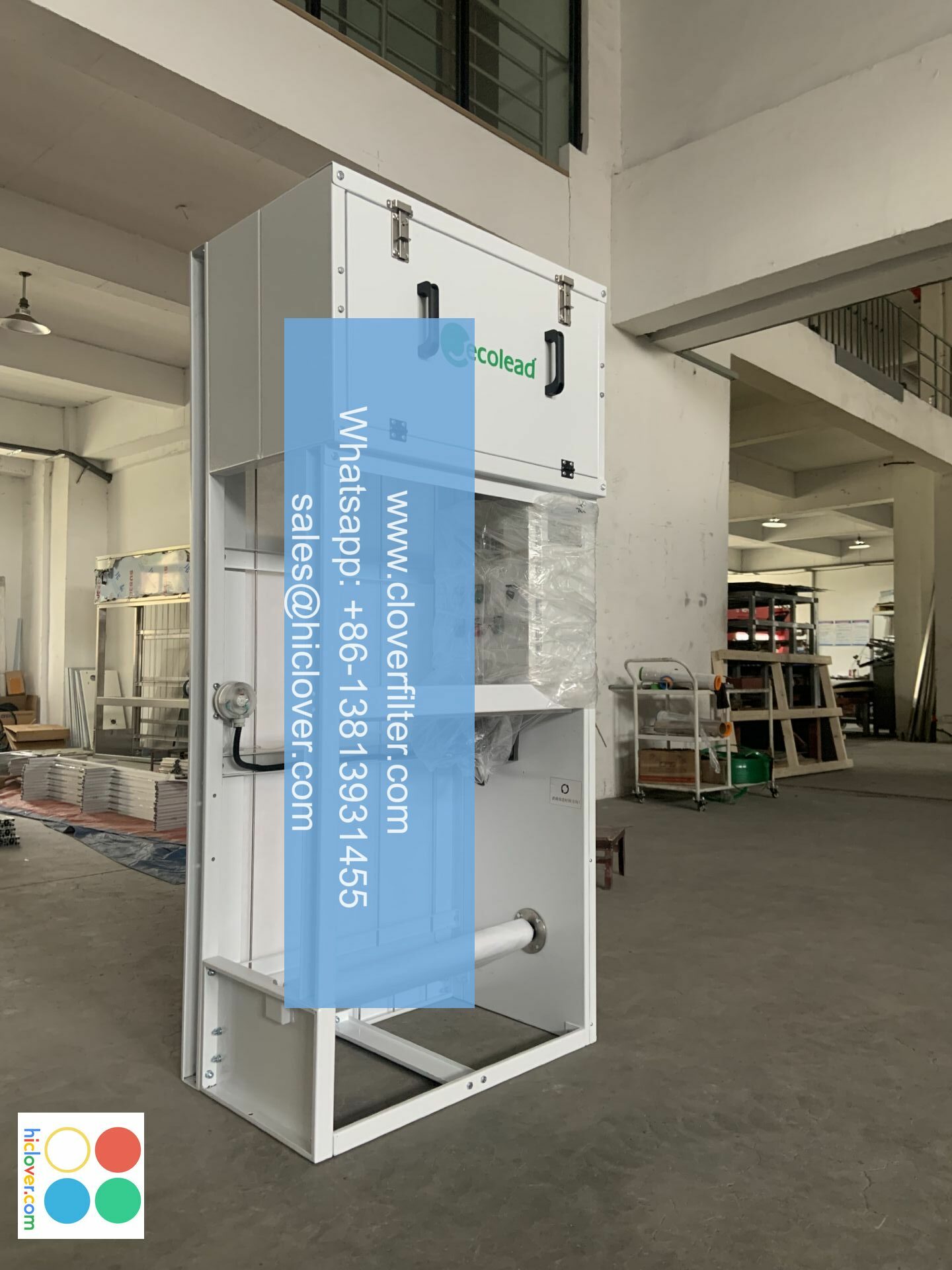
In today’s fast-paced world, ensuring product safety and quality is more crucial than ever. Pepsi bottling plants, at the forefront of beverage production, recognize the importance of advanced air filtration systems to maintain optimal conditions for manufacturing. This article explores the latest innovations in air filtration technology, highlighting various application areas and their significance in the future of sterilization.
The Importance of Air Quality in Beverage Production

Maintaining high air quality standards is essential for achieving product purity and safety in beverage production. Contamination can arise from particulate matter, bacteria, and other pathogens present in the working environment. In response, Pepsi bottling plants are implementing state-of-the-art air filtration systems to combat these risks effectively.
Cutting-Edge Air Filtration Technologies
HEPA Filtration Systems
HEPA (High-Efficiency Particulate Air) filters are designed to capture 99.97% of airborne particles, including bacteria and viruses. By integrating HEPA filtration into their production lines, Pepsi bottling plants can significantly reduce the risk of contamination. This technology has proven essential in areas such as:
- Bottle Filling Stations: Ensuring that the filling environment is sterile.
- Packaging Areas: Protecting the final product from airborne contaminants.
- Production Zones: Continuously sterilizing the air and promoting a safe working environment.
- Employee Break Rooms: Ensuring that communal areas remain clean and free from potential pathogens.
- Enhanced Worker Safety: Protecting employees from exposure to harmful contaminants.
- Extended Shelf Life of Products: Maintaining higher quality air ensures better preservation of bottled beverages.
- Automated Alerts: Notifying staff of any deviations from optimal air quality standards.
- Predictive Maintenance: Allowing for timely replacement of filters to ensure consistent performance.
- Energy-Efficient Filtration Systems: Reducing energy consumption without compromising air quality.
- Reusable Filter Technologies: Developing filters that can be cleaned and reused to minimize waste.

UV-C Light Air Sterilization
Another innovative approach being explored is the use of UV-C light for air sterilization. This technology harnesses ultraviolet light to disinfect the air by destroying the genetic material of microorganisms. Pepsi bottling plants can deploy UV-C lighting systems in:
Ionization Technology
Ionization technologies emit charged particles into the air, which attach to pollutants and cause them to clump together and fall out of circulation. Implementing this technology around sensitive operational areas helps improve indoor air quality and contributes to:
Integration with Smart Technology
As Pepsi bottling plants strive for efficiency, the integration of smart technology in air filtration systems is becoming a game changer. Utilizing sensors and IoT (Internet of Things) devices, operators can monitor air quality in real-time. Some key applications include:
Sustainability: A Key Focus
With growing concerns over environmental impact, sustainability is a critical consideration in the design of air filtration systems. Pepsi bottling plants are increasingly focusing on:
The Future of Air Filtration in Beverage Production
The future of air filtration in Pepsi bottling plants is poised for exciting advancements. As the technology evolves, it opens new opportunities for enhanced sterilization, improved productivity, and increased safety. By adopting innovative air filtration solutions, Pepsi aims to maintain its reputation for quality while meeting the demands of a rapidly changing market.
Conclusion
Air filtration innovation is revolutionizing the way Pepsi bottling plants approach sterilization. With advancements in HEPA systems, UV-C light sterilization, ionization technologies, and smart technology integration, the future of beverage production looks bright. By focusing on sustainable practices and improving air quality, Pepsi bottling plants are not just safeguarding their products but also setting a standard for the industry at large.
As we move forward, these advancements will play a pivotal role in ensuring the safety and satisfaction of consumers, while also demonstrating the company’s commitment to health, safety, and sustainability.
