Air Purification for Smoke and Pollution
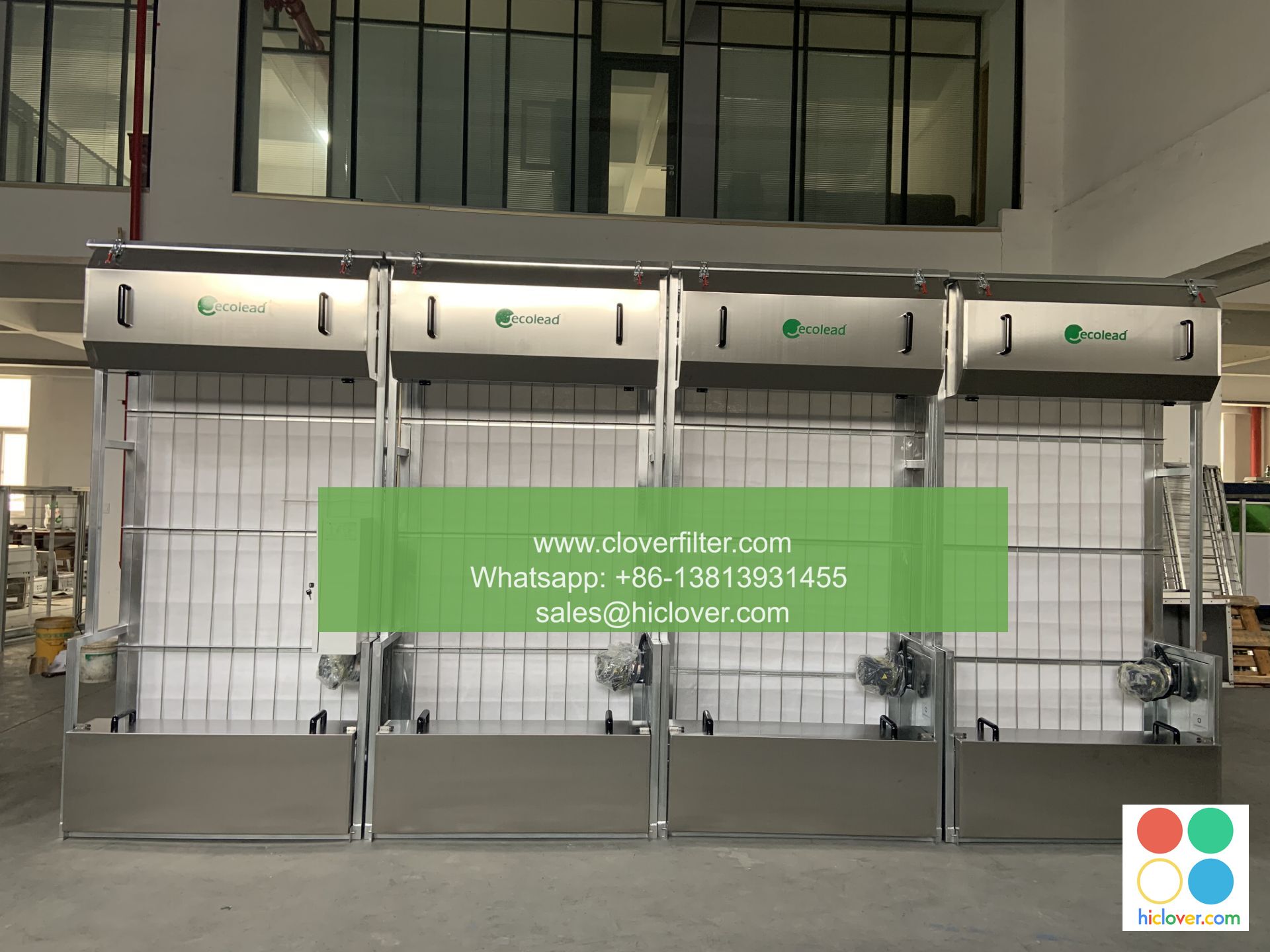
Air quality is essential for our health and well-being, particularly in areas prone to smoke, pollution, and other airborne contaminants. The need for effective air purification solutions has become increasingly important as urbanization and industrial activity continue to rise. This article explores the various aspects of air purification, focusing on smoke and pollution, along with practical applications and technologies used to improve indoor air quality.
Understanding Air Pollution
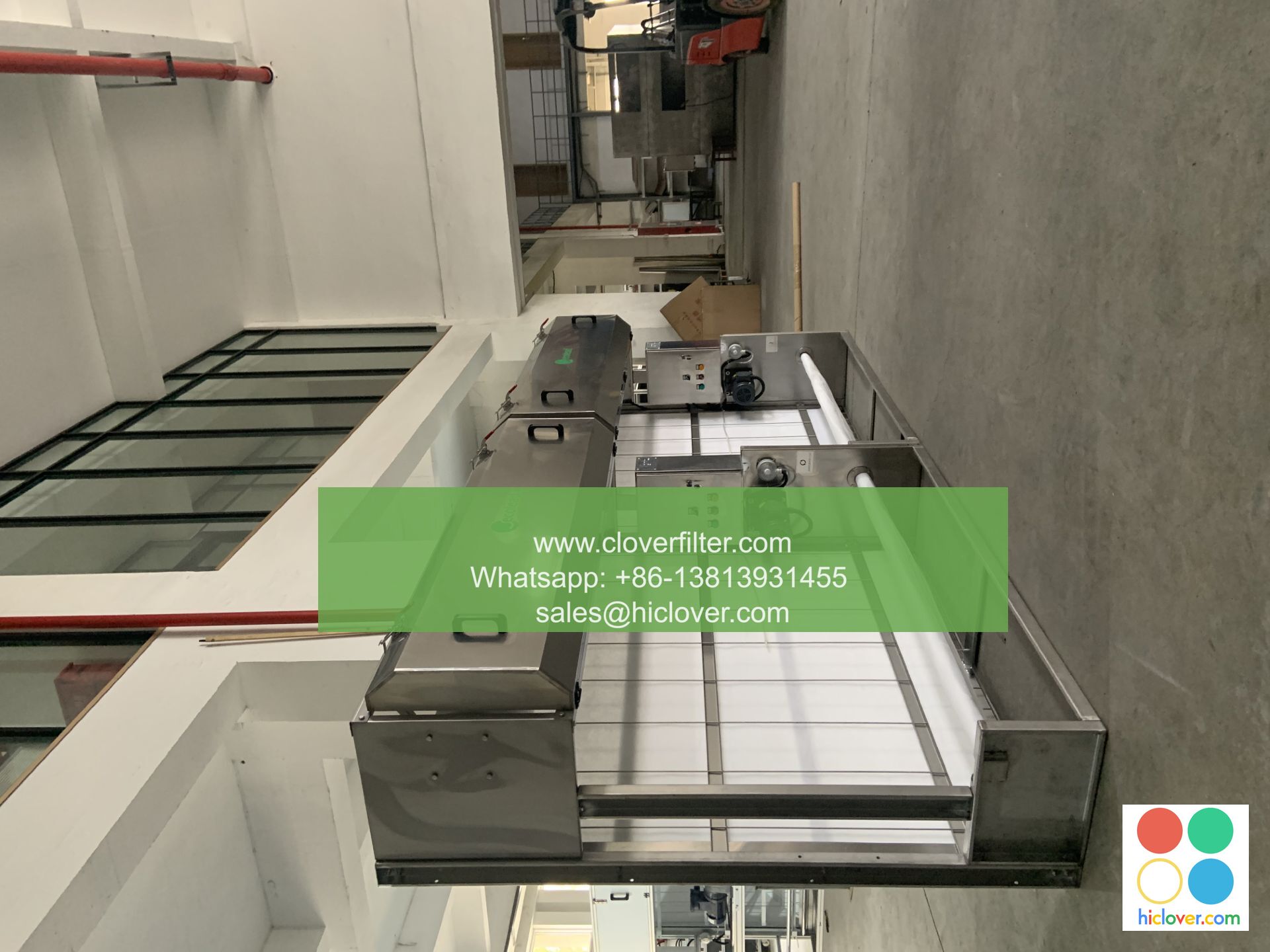
Air pollution refers to the presence of harmful substances in the atmosphere, which can have serious effects on human health and the environment. Common sources of air pollution include:
- Traffic emissions: Vehicles emit harmful gases, including nitrogen oxides (NOx) and particulate matter (PM).
- Industrial processes: Factories and power plants can release toxic pollutants into the air.
- Wildfires: Smoke from wildfires releases volatile organic compounds (VOCs), particulate matter, and other hazardous materials.
- Indoor pollutants: Household items like cleaning products, paints, and building materials can also contribute to poor air quality.
The Impact of Smoke on Air Quality
Smoke, particularly from wildfires and burning fossil fuels, is a significant contributor to air pollution. It contains a mixture of gases and fine particulate matter, which can penetrate deep into the lungs and enter the bloodstream. Short-term exposure to smoke can cause:
- Respiratory problems
- Eye irritation
- Aggravation of heart conditions
Long-term exposure can lead to chronic health issues such as asthma, lung cancer, and cardiovascular diseases.
How Air Purifiers Work
Air purifiers are designed to remove contaminants from the air, improving indoor air quality. They work through various filtration methods, including:
1. HEPA Filters
High-Efficiency Particulate Air (HEPA) filters can capture up to 99.97% of particles as small as 0.3 microns. This makes them effective against dust, pollen, pet dander, mold spores, and smoke particles.
2. Activated Carbon Filters
Activated carbon filters are effective in eliminating odors and absorbing harmful chemicals and volatile organic compounds (VOCs). They especially work well in environments affected by smoke and industrial pollutants.
3. Ionizers
Ionizers release negatively charged ions into the air, which attract positively charged particles like smoke and dust, causing them to clump together and fall to the ground. While they can reduce airborne particles, caution is advised as they may produce ozone.
4. UV Light Purifiers
Ultraviolet (UV) light purifiers use UV-C light to kill bacteria, viruses, and mildew, making them excellent for environments requiring germicidal action in addition to particulate removal.
Application Areas for Air Purification
Residential Spaces
In homes, air purifiers help improve indoor air quality, particularly for those with allergies or respiratory conditions. Utilizing portable air purifiers in bedrooms and living areas can significantly reduce exposure to harmful pollutants.
Commercial Buildings
Offices and commercial establishments can benefit from advanced air purification systems integrated into HVAC systems. These systems ensure a clean indoor environment, promoting employee health and productivity.
Industrial Facilities
Industrial air purifiers are crucial in minimizing airborne contaminants in factories and workshops. By employing industrial-grade filtration technologies, industries can comply with environmental regulations while protecting worker health.
Healthcare Facilities
Air quality in hospitals and clinics is critical to preventing infections and promoting patient recovery. HEPA filters and UV light purifiers are commonly used in surgical and patient care areas to maintain sterile environments.
Educational Institutions
Schools and universities can safeguard students and staff from air pollution by utilizing air purifiers in classrooms and common areas. This ensures a healthier learning environment, particularly during periods of increased pollution or wildfire smoke.
Conclusion
The need for effective air purification solutions has never been more apparent, especially in the face of rising smoke and pollution levels around the world. By understanding the sources of air pollution, the importance of clean air, and the various air purification technologies available, we can take proactive measures to improve our indoor air quality. Whether in residential, commercial, or industrial settings, investing in quality air purification systems can lead to healthier living and working environments, ultimately enhancing our quality of life.
It looks like you might have forgotten to include a specific prompt or question. How can I assist you today? If you have a specific topic, question, or request in mind, please share it!
