Air Purification Systems: A Comparative Analysis of Filter Types
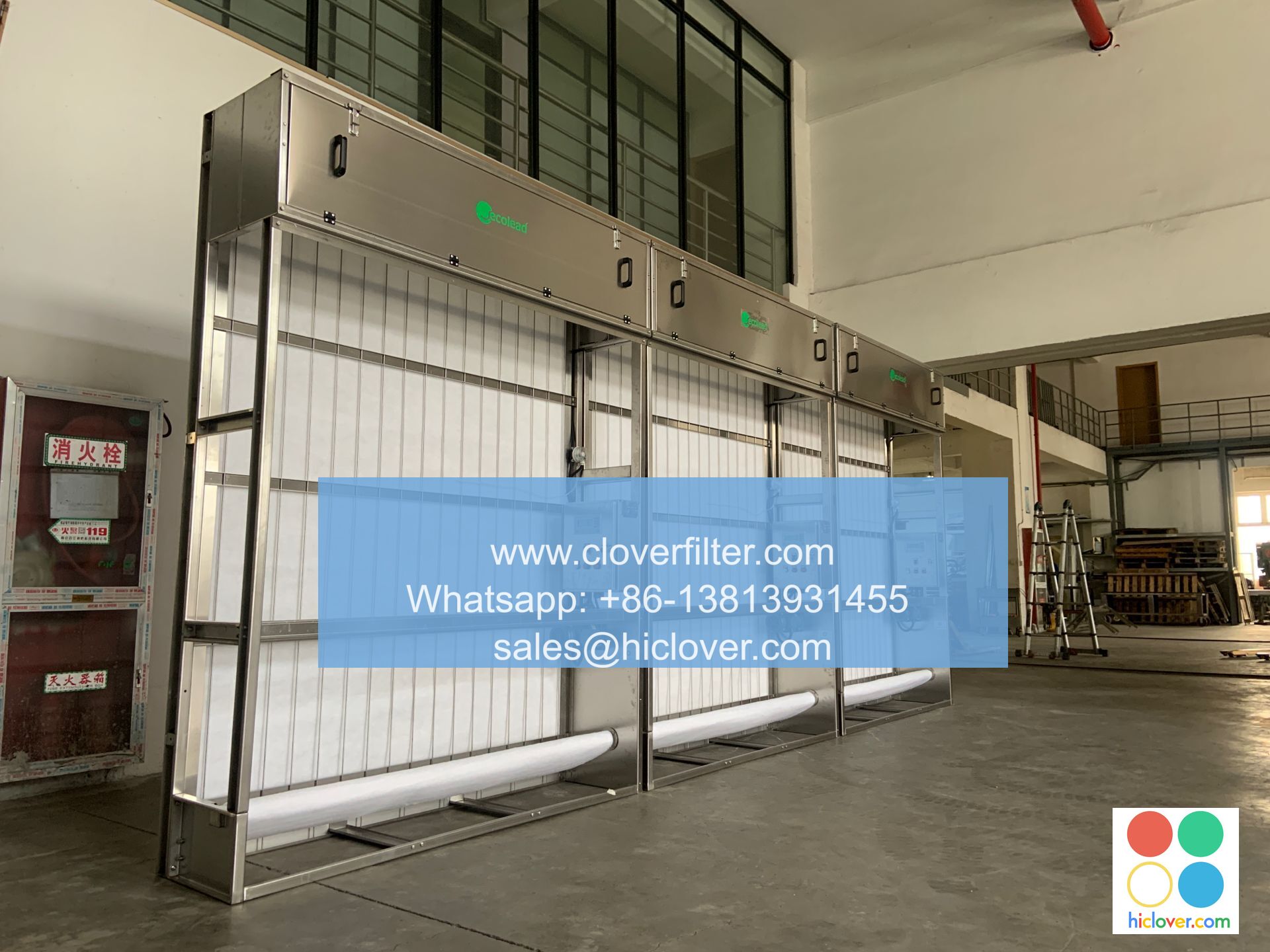
Air purification systems have become an essential component in maintaining clean and healthy indoor air quality. With the increasing awareness of airborne pollutants and their impact on human health, the demand for effective air purification systems has grown significantly. One of the critical components of an air purification system is the filter type, which plays a crucial role in determining the system’s overall efficiency and effectiveness. In this article, we will delve into a comparative analysis of different filter types, highlighting their strengths, weaknesses, and application areas.
Introduction to Air Purification Systems
Air purification systems are designed to remove airborne pollutants, such as particulate matter (PM), gases, and volatile organic compounds (VOCs), from the air. These systems typically consist of a fan, a filter, and a housing unit. The filter is the heart of the system, responsible for capturing pollutants and purifying the air. There are several types of filters available, each with its unique characteristics, advantages, and disadvantages.
Types of Filters
There are several types of filters used in air purification systems, including:
- HEPA (High Efficiency Particulate Air) Filters: These filters are designed to capture 99.97% of particles as small as 0.3 microns, making them highly effective against PM, dust, pollen, and other airborne pollutants.
- Activated Carbon Filters: These filters are designed to capture gases, VOCs, and odors, making them ideal for applications where chemical pollutants are a concern.
- Ionizing Filters: These filters use electrical charges to attract and capture pollutants, making them effective against PM, bacteria, and viruses.
- UV (Ultraviolet) Filters: These filters use UV light to kill bacteria, viruses, and other microorganisms, making them ideal for applications where biological pollutants are a concern.
- Pre-Filters: These filters are designed to capture larger particles, such as dust and hair, and are often used in combination with other filter types.
- Efficacy: HEPA filters are highly effective against PM and other particulate matter, while activated carbon filters are effective against gases and VOCs.
- Cost: Pre-filters are generally the least expensive, while HEPA filters and activated carbon filters can be more costly.
- Maintenance: Ionizing filters and UV filters require minimal maintenance, while HEPA filters and activated carbon filters may require more frequent replacement.
- Application Areas: HEPA filters are commonly used in residential and commercial settings, while activated carbon filters are often used in industrial and healthcare applications.
- Residential Air Purification: HEPA filters and activated carbon filters are commonly used in residential settings to remove airborne pollutants and improve indoor air quality.
- Commercial Air Purification: HEPA filters and ionizing filters are often used in commercial settings, such as offices and restaurants, to remove airborne pollutants and improve indoor air quality.
- Industrial Air Purification: Activated carbon filters and UV filters are commonly used in industrial settings, such as manufacturing facilities and warehouses, to remove airborne pollutants and improve indoor air quality.
- Healthcare Air Purification: HEPA filters, activated carbon filters, and UV filters are often used in healthcare settings, such as hospitals and clinics, to remove airborne pollutants and improve indoor air quality.

Comparative Analysis of Filter Types
Each filter type has its strengths and weaknesses, and the choice of filter depends on the specific application and requirements. Here’s a comparative analysis of the different filter types:

Application Areas
Air purification systems with different filter types are used in various application areas, including:
Conclusion
In conclusion, the choice of filter type depends on the specific application and requirements. By understanding the strengths and weaknesses of different filter types, individuals can make informed decisions when selecting an air purification system. Whether it’s for residential, commercial, industrial, or healthcare applications, air purification systems with the right filter type can significantly improve indoor air quality and provide a healthier environment for occupants. By highlighting the various application areas and comparative analysis of filter types, this article aims to provide a comprehensive overview of air purification systems and their importance in maintaining clean and healthy indoor air quality. It seems like you haven’t provided a specific question or topic for me to address. Could you please provide more details or clarify what you would like to discuss? I’m here to help with any questions or topics you’d like to explore.
