Air Purifier vs. Air Filter: What’s the Difference?
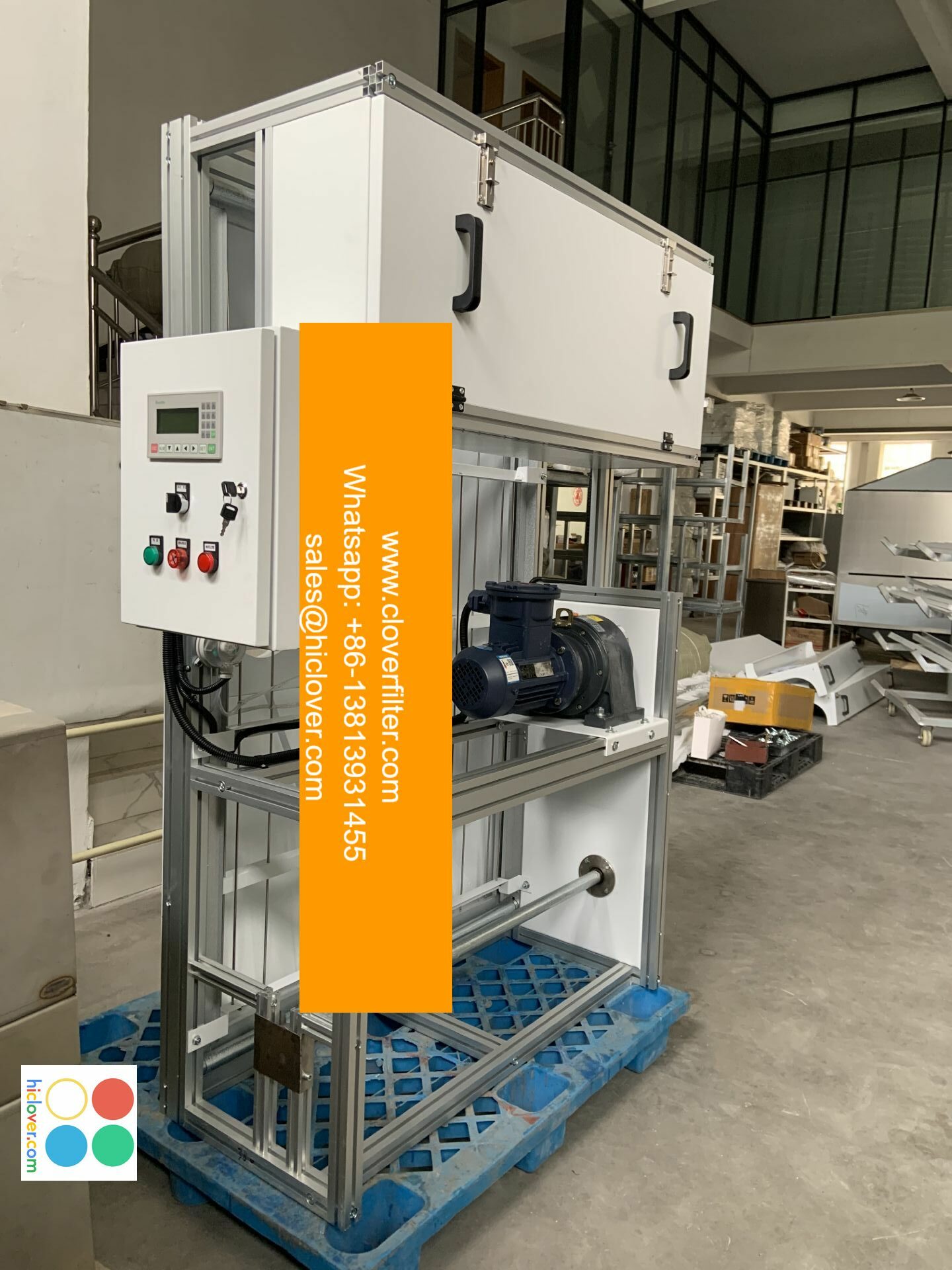
Key Takeaways
- Air purifiers and air filters serve different purposes in air quality management.
- An Automatic Roll Air Filter efficiently removes particulates in HVAC systems.
- Roll media advances based on differential pressure, ensuring optimal pollutant capture.
- Understanding airflow range, face velocity, and frame size is crucial for effective selection.
- Regular maintenance reduces operating costs and improves air quality.
- Comply with industry standards like ISO 16890 for best practices (certifications available on request).
- Explore practical applications across various industries including cleanrooms, data centers, and manufacturing.
- Roll Media Advance Logic: The filter media moves automatically when a differential pressure trigger is reached, indicating that a replacement is needed.
- Timer Mode: Set intervals allow for systematic filter changes, contributing to consistent air quality without manual intervention.
- Fits within HVAC systems such as AHUs, serving as a reliable prefilter that enhances the performance of downstream filtration stages or helps limit emissions in processes.
- Airflow Range: Ensure the filter accommodates the specific airflow demands of your system.
- Face Velocity: Balance between capture efficiency and energy consumption by assessing the face velocity required for your application.
- Media Width/Length: Match the dimensions with the setup space available to maintain airflow continuity.
- Frame Size: Ensure compatibility with existing ductwork or housing units.
- Control Options: Automatic controls can minimize manual labor and boost efficiency.
- Power Supply: Check that electrical requirements align with your facility’s capabilities.
- Installation Location: Determine if it will be placed at fresh air intake, return, or within a process area.
- Overlooking Differential Pressure: Forgetting to monitor this can lead to inefficient operation.
- Ignoring Environmental Conditions: Match filter selection with the specific air quality threats in your facility.
- Neglecting Maintenance Schedules: Skipping regular checks can lead to increased operational costs.
- Underestimating Airflow Requirements: Not adjusting for changes in facility usage affects efficiency.
- Choosing Incompatible Sizes: Ensure that selected filters fit seamlessly into existing systems.
- Failing to Verify Media Specifications: Not confirming the media’s ability to meet filtration standards can undermine effectiveness.
- Ignoring Energy Efficiency: Consider the long-term energy costs associated with each filter type.
- Not Consulting Experts: Seek advice from filtration specialists to ensure proper implementation.
- Misunderstanding Performance Metrics: Lack of familiarity with MERV ratings can lead to inadequate selections.
- Neglecting Compliance: Ensure you are aware of industry regulations such as ISO 16890 (certifications available on request).
-
Data Center: A leading tech company implemented CloverFilter’s Automatic Roll Air Filters to maintain optimal cooling conditions. The automated roll media helped in reducing energy costs while ensuring critical components remained dust-free.
-
Battery Factory: In a lithium battery plant, strict particulate control was necessary to comply with safety standards. The Automatic Roll Air Filter provided consistent filtration, minimizing contamination risks through its precise monitoring system.
-
Paint Shop: A paint booth utilized CloverFilter solutions to manage volatile organic compounds (VOCs) effectively. The automatic timing feature reduced maintenance downtime, improving overall operational efficiency.
-
Textile/Steel/Cement Plant: An industrial facility upgraded to Automatic Roll Air Filters to handle increased particulate loads effectively. The system’s low-pressure drop ensured better energy efficiency, aligning with their sustainability goals.


Understanding Air Purifiers and Air Filters
When considering air quality management, the choice between an air purifier and an air filter can be confusing. Air purifiers are typically standalone devices designed for smaller spaces, while air filters are integral parts of larger HVAC systems.
In this context, industrial buyers should focus on products such as the Automatic Roll Air Filter from CloverFilter, which is engineered for applications requiring high air quality. Unlike traditional air cleaners, Automatic Roll Air Filters centralize filtration needs within systems, capturing contaminants effectively across large spaces, as seen in popular Air filter videos.
What is an Automatic Roll Air Filter?
An Automatic Roll Air Filter is designed to simplify particulate control in HVAC systems. This advanced unit uses a continuous roll of filter media that automatically advances as the filter becomes clogged. Features include:
Practical Selection Guide for Automatic Roll Air Filters
Selecting the right air filter is key to optimizing operational efficiency. When choosing an Automatic Roll Air Filter, consider:
Comparison of Air Filter Technologies
| Filter Type | Best Use Case | Maintenance | Pressure Drop Behavior | Operating Cost | Typical Risk/Downside |
|---|---|---|---|---|---|
| Automatic Roll Air Filter | High Air Quality in Large Spaces | Low with automation | Moderate | Low (long-term) | Initial installation costs |
| Bag Filter | General Filtration | Moderate | Variable | Moderate | Clogging in high dust environments |
| Panel Filter | Standard Buildings | High | Low | High | Frequent replacements required |
| V-bank | Commercial Buildings | Moderate | Moderate | Moderate | Requires space for airflow |
This comparison underscores how different filters serve unique needs across various sectors.
Common Mistakes & How to Avoid Them
Real-World Scenarios
Frequently Asked Questions
What is the primary difference between an air purifier and an air filter?
Air purifiers are standalone systems aiming to clean the air within specific spaces, while air filters are integrated into HVAC systems to maintain air quality on a larger scale.
How does an Automatic Roll Air Filter work?
The filter utilizes a roll of media that advances automatically based on pressure readings, ensuring continuous filtration without manual adjustments.
What industries benefit from using CloverFilter products?
Industries such as pharmaceuticals, manufacturing, healthcare, and data centers can benefit significantly from CloverFilter’s Automatic Roll Air Filter.
What certifications should I look for in an air filter?
While CloverFilter products aim to meet high standards, specific certifications can be requested, including references to ISO 16890.
How often should filters be changed?
It depends on the application and environmental conditions, but the Automatic Roll Air Filter’s timer mode helps automate this process.
What should I consider regarding filter maintenance?
Regular checks on differential pressure and adherence to recommended schedules ensure optimal functioning and cost-saving benefits.
Meta Description: Explore the differences between air purifiers and air filters. Learn about Automatic Roll Air Filters from CloverFilter and their role in HVAC systems.
Enhance your facility’s air quality with the reliable solutions from CloverFilter. For more information, visit CloverFilter or get in touch at CloverFilter Contact.
It seems like you entered “Prompt.” Could you please provide more details about what you’re looking for? Are you looking for a specific type of writing prompt, question, or topic? Let me know how I can assist you!
