Air Quality and Productivity: The Link to Air Filters
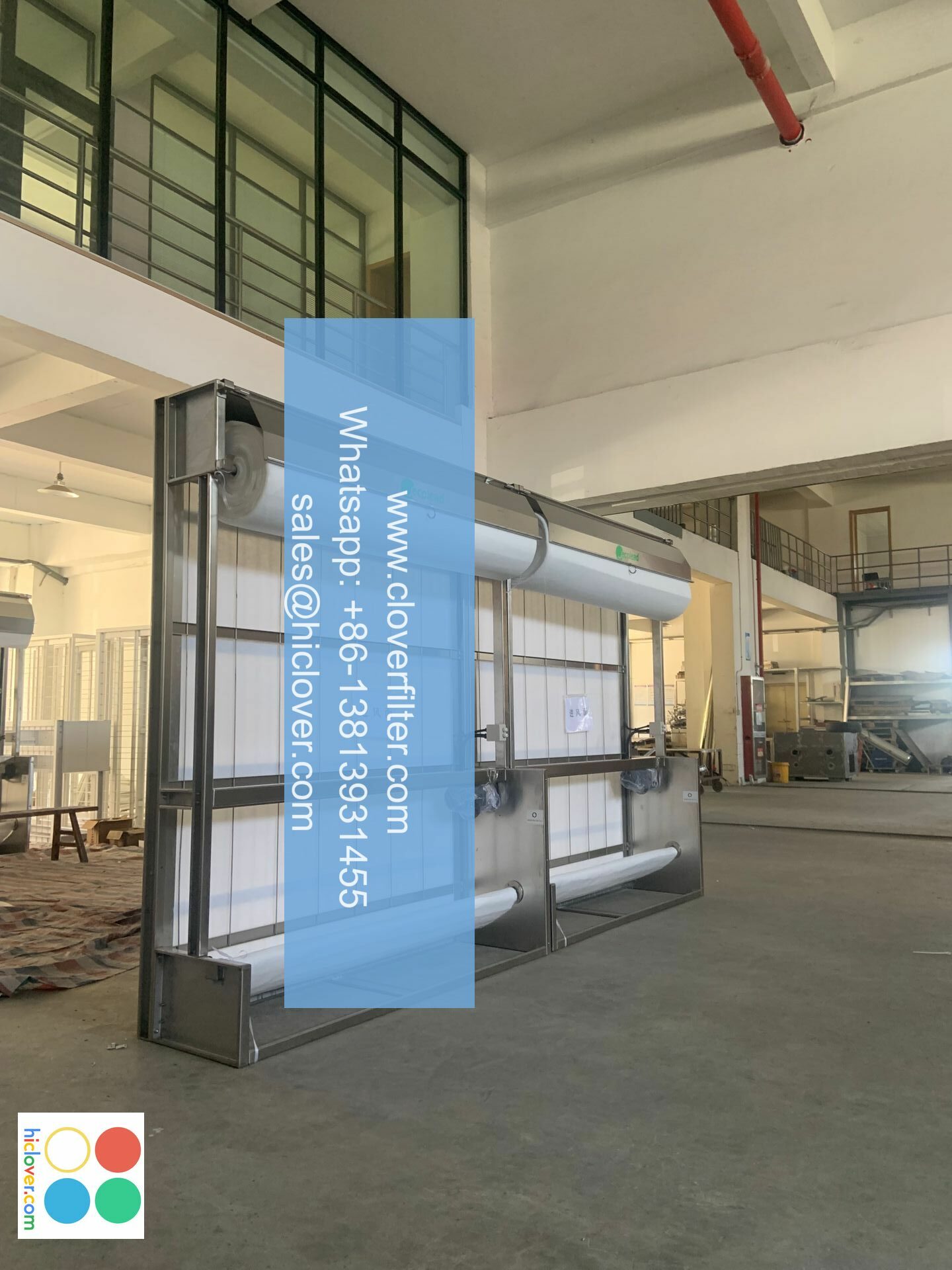
In today’s fast-paced and ever-evolving world, maintaining optimal air quality is more crucial than ever. With an increasing understanding of how indoor air pollution affects human health and productivity, businesses and individuals are turning to air filters as essential tools for enhancing air quality. This article explores the profound impact of air quality on productivity and the role that air filters play in various applications.
The Importance of Air Quality

Research has continuously shown a strong correlation between air quality and employee productivity. Poor air quality is linked to a range of health issues, including respiratory problems, headaches, and fatigue. These health challenges not only diminish individual performance but can also lead to increased absenteeism in the workplace. In environments where air quality is poor, cognitive functions such as decision-making and concentration suffer, leading to decreased efficiency.
How Air Filters Improve Indoor Air Quality
Air filtration systems are vital in mitigating airborne pollutants such as dust, allergens, mold spores, and volatile organic compounds (VOCs). By purifying the air we breathe, these systems create healthier environments in homes, offices, schools, and industrial spaces. Key benefits of air filters include:
- Reduction of Allergens: Effective air filters capture particles that cause allergic reactions, creating a more comfortable environment for everyone.
- Minimized Illnesses: By lowering the presence of harmful pathogens and contaminants, air filters can help reduce the spread of illnesses in crowded spaces.
- Enhanced Focus and Cognitive Function: Cleaner air allows individuals to concentrate better, boosting both creativity and productivity in work settings.

Application Areas for Air Filters
1. Office Environments
Incorporating air filters in office buildings has shown to significantly enhance overall employee well-being. Workers report fewer sick days and improved morale when provided with cleaner air, directly impacting productivity.
2. Schools and Educational Institutions
Students’ cognitive abilities can be hindered by exposure to poor air quality. Using advanced air filtering systems in schools creates a better learning environment, enabling students to perform to their full potential.
3. Healthcare Facilities
In healthcare settings, air quality is paramount. Hospitals and clinics utilize high-efficiency particulate air (HEPA) filters to control the spread of infections and protect both patients and healthcare workers, ultimately improving quality of care.
4. Homes
Home air purification systems are increasingly popular, especially for families with children or vulnerable individuals. Investing in air filters can diminish allergy symptoms and lead to a healthier home environment.
Conclusion
As awareness of the impact of air quality on productivity continues to grow, the adoption of effective air filters in various settings becomes paramount. From offices to schools, the application of air filtration systems ensures a cleaner, healthier environment, fostering improved performance and overall well-being. By prioritizing air quality, we can unlock our true potential, both individually and collectively.
It looks like you’re looking for a prompt or a topic to discuss. Could you please provide a bit more detail on what you need? Are you looking for a writing prompt, an idea for a project, a discussion topic, or something else? Let me know how I can assist you!
