Air Quality Control Measures: Automatic Roll Air Filters in Vancouver Electronics Assembly Plant
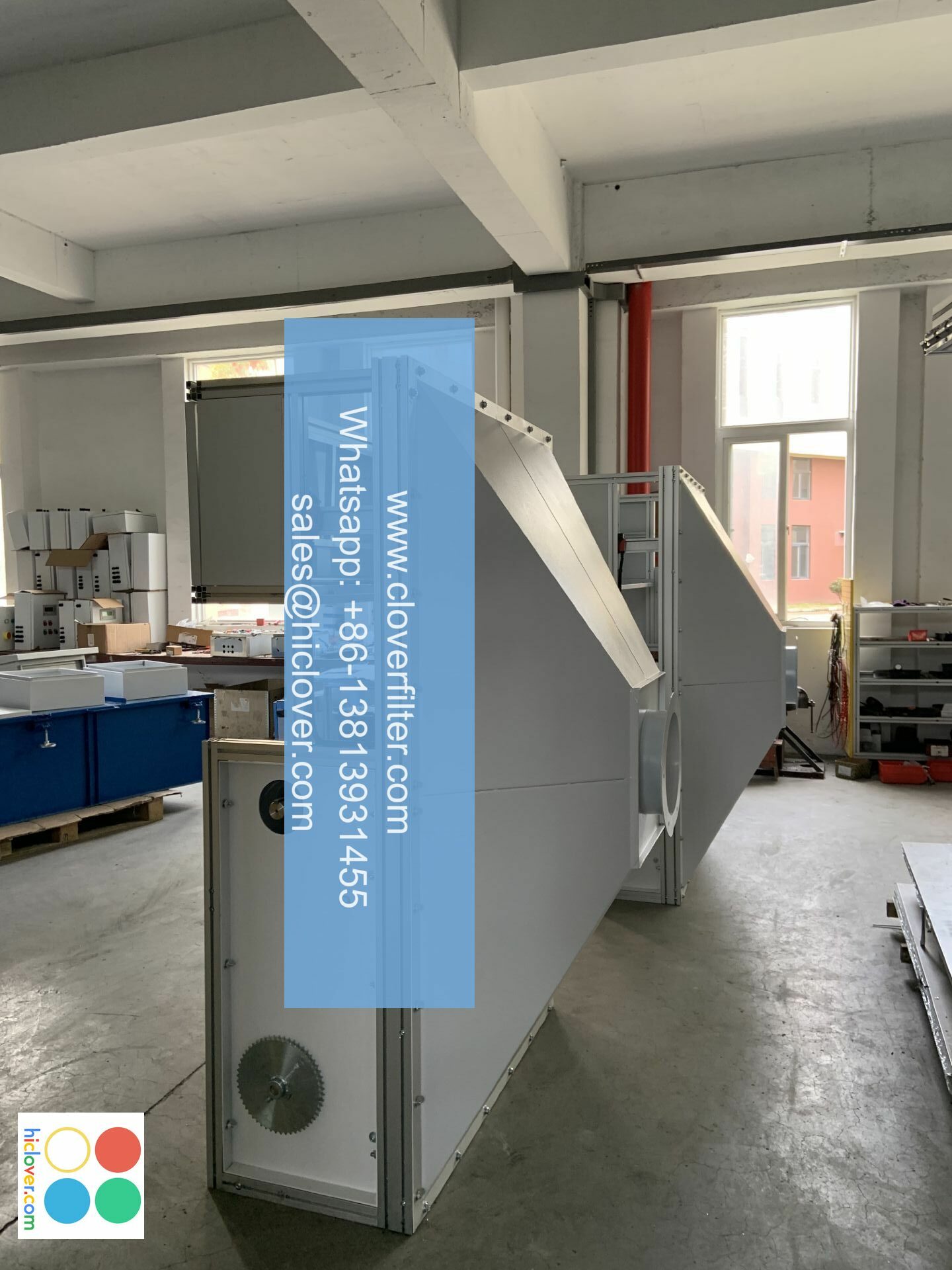
In today’s rapidly evolving industrial landscape, maintaining a clean and safe working environment is paramount—especially in fields like electronics assembly, where precision and contamination control are vital. One such measure that has garnered increasing attention is the implementation of air quality control mechanisms, notably Automatic Roll Air Filters (ARAF), at various facilities, including electronics assembly plants in Vancouver.
The Importance of Air Quality in Electronics Assembly

The electronics manufacturing process is highly sensitive to contaminants such as dust, pollen, and chemical particles. These particulates can compromise the integrity of intricate electronic components, leading to defects, malfunctioning products, and increased operational costs. Ensuring that air quality is maintained at optimal levels is critical for high-quality production, worker health, and environmental protection.
What are Automatic Roll Air Filters?
Automatic Roll Air Filters are advanced air filtration systems designed to automatically manage indoor air quality in industrial environments. These filters consist of long and extendable rolls of filtering material that automatically adjust to maintain efficiency and coverage as particulate loads fluctuate in the facility. Utilizing a combination of HEPA (High-Efficiency Particulate Air) and activated carbon technologies, these filters can effectively capture a wide range of airborne pollutants while minimizing the occurrence of maintenance downtimes.
Advantages of Using Automatic Roll Air Filters
- Improved Air Quality: ARAF units are designed to filter out even the smallest particles, ensuring that the air remains clean and conducive for precision assembly work.
- Cost-Effective: These systems reduce the need for frequent manual maintenance and replacements by automatically adjusting their filters, leading to reduced operational costs in the long run.
- Energy Efficiency: ARAF units typically consume less energy, as they can optimize their operations based on real-time air quality data.
- Employee Health: Improved air quality has direct benefits on the health and productivity of workers, reducing illnesses caused by poor air quality.
- Environmentally Friendly: The use of sustainable materials for filtration and energy-efficient designs contributes positively to the environment.

Implementation in Vancouver Electronics Assembly Plant
The Vancouver electronics assembly plant has implemented ARAF systems as part of its commitment to adhering to rigorous safety and quality standards. Upon installation, plant managers noted a marked improvement in both air quality and employee well-being. Technicians can work on sensitive components without the worry of external contaminants, which boosts confidence in the assembly process.
Conclusion
The adoption of Automatic Roll Air Filters in Vancouver’s electronics assembly plant represents a significant step toward enhanced air quality management. By maintaining a clean environment, not only are the products of superior quality, but the health of the workforce is also safeguarded. This proactive approach exemplifies how technology can be effectively leveraged to improve operational efficiency, reduce costs, and promote safety in industrial settings.
FAQs
1. How often should Automatic Roll Air Filters be replaced?
Replacement schedules can vary based on the pollution levels in the air. However, ARAF systems automatically monitor filter conditions and provide alerts when replacements are necessary.
2. Are Automatic Roll Air Filters costly to operate?
While the initial investment might be higher than traditional filters, the long-term energy savings and reduced maintenance costs make them cost-effective over time.
3. Can these filters eliminate all types of contaminants?
ARAF systems are highly effective against particulates but may require additional solutions for specific chemical contaminants depending on the facility’s needs.
4. Do they contribute to noise levels in the production area?
The noise level of ARAF systems is minimal, designed to operate quietly while efficiently filtering air, thus maintaining a conducive working environment.
