Air Quality Legislation: What You Need to Know About Filters
Key Takeaways
- Understand current air filter regulations that impact industrial air filtration.
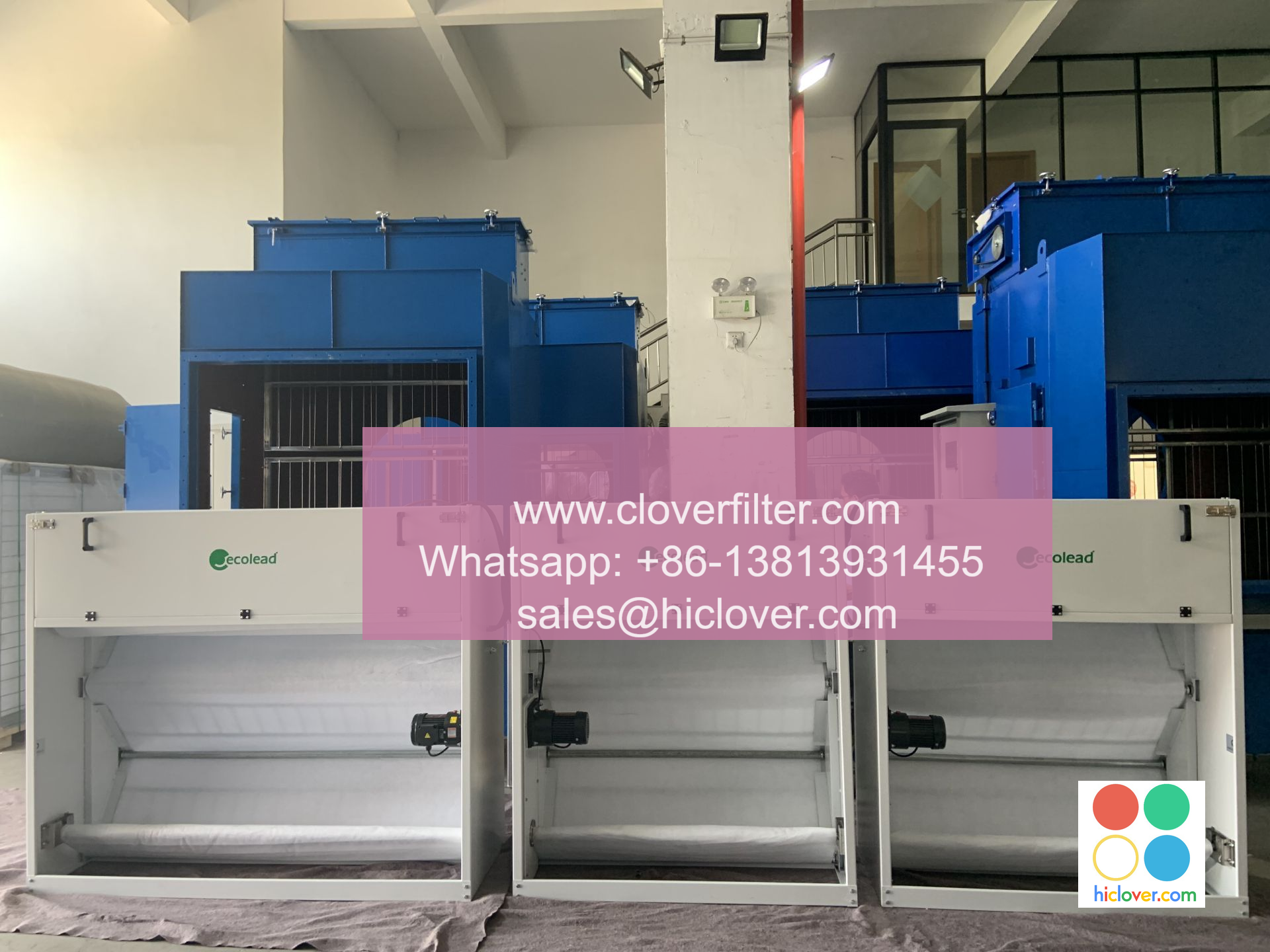
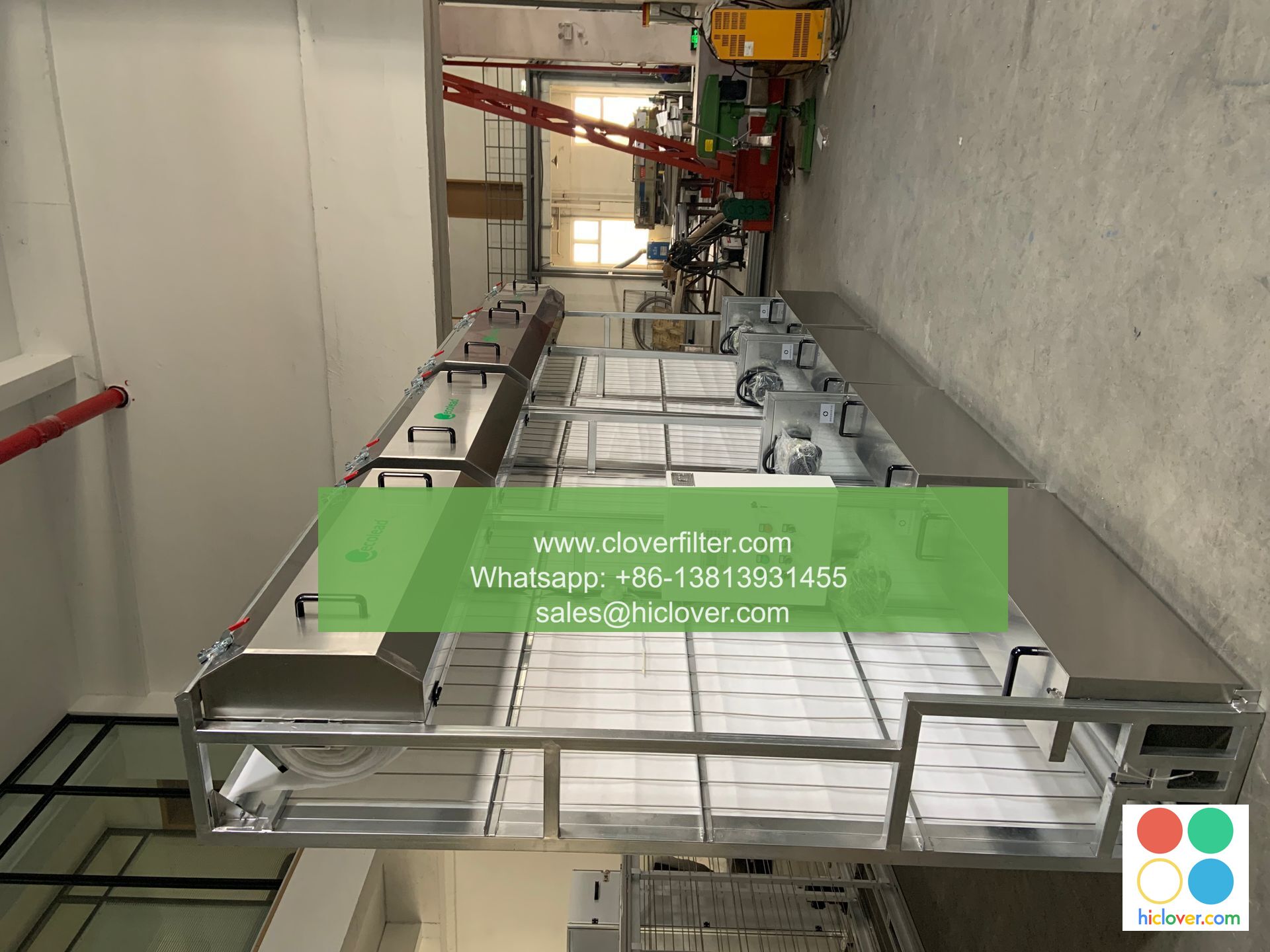
- Discover the functionality and benefits of the Automatic Roll Air Filter.
- Learn how to choose the right air filter for various applications.
- Compare different types of filters based on risk and maintenance needs.
- Identify common mistakes in air filtration systems and how to avoid them.
- Explore real-world scenarios to gain insights on filter applications in various industries.
- Roll Media Advance Logic: This technology keeps the filter material fresh by using a timer or a differential pressure trigger to advance the filter media when a certain level of pressure is detected. This means less downtime for maintenance.
- Differential Pressure Trigger: The filter automatically adjusts based on airflow needs, conserving energy and maintaining optimal performance.
- Timer Mode: Allows for flexibility in filter changing, ensuring routine maintenance can align with operational schedules.
- Airflow Range: Size and capacity of the filter should match the system.
- Face Velocity: Select a velocity that minimizes static pressure drop while maximizing filtration efficiency.
- Media Width/Length: Match with the specific application to guarantee optimal performance.
- Frame Size: Ensure the filter fits securely within the system to avoid any bypass leaks.
- Control Options: Look for filters with advanced control mechanisms for automation.
- Power Supply: Ensure compatibility with existing systems for seamless integration.
- Installation Location: Decide whether the filter will be placed in the fresh air intake, return, or process areas.
- Neglecting Maintenance Schedules: Regularly monitor filter performance to avoid system failures.
- Choosing the Wrong Filter Type: Assess your specific application needs before selecting a filter.
- Ignoring Airflow Requirements: Ensure filters fit the specified airflow criteria for optimal performance.
- Overlooking Installation Procedures: Proper installation is crucial for peak filtration efficiency.
- Failing to Monitor Pressure Drop: Regularly check pressure levels to maintain energy efficiency.
- Incorrect Filter Sizing: Choosing a filter that’s too small can lead to ineffective dust capture.
- Disregarding Regulatory Compliance: Stay informed about relevant air filter regulations to avoid potential fines.
- Not Training Personnel: Ensure that staff are knowledgeable about maintenance and monitoring tasks.
- Underestimating Energy Costs: Evaluate how filter choices impact energy consumption.
- Using Inefficient Filtration Systems: Consider advanced options like the Automatic Roll Air Filter for better results.
-
What are air filter regulations?
Air filter regulations refer to guidelines and standards established to ensure safe air quality levels in industrial environments. -
How does an Automatic Roll Air Filter work?
It uses roll media that advances automatically based on pressure changes or timed intervals to maintain optimal filtration efficiency. -
What are the benefits of using an Automatic Roll Air Filter?
It reduces maintenance needs, enhances energy efficiency, and provides consistent air quality management. -
Can the Automatic Roll Air Filter be integrated into existing HVAC systems?
Yes, it can be tailored for various HVAC setups, including fresh air intakes and return ducts. -
What should I consider when selecting an air filter?
Consider airflow rates, face velocity, media size, frame compatibility, and control mechanisms. -
Are there specific industry standards for air filters?
Yes, while there are frameworks like ISO 16890 or MERV, specific certifications can vary, and details are often available on request. -
What maintenance is required for the Automatic Roll Air Filter?
Minimal maintenance is needed, thanks to its self-cleaning features, but regular monitoring is advisable. -
How does clogged air filtration affect energy costs?
Clogged filters lead to increased pressure drops, which can elevate energy consumption as HVAC systems work harder to maintain airflow. -
Can I customize an Automatic Roll Air Filter?
Yes, options are available for customization based on specific installation and operational needs. -
Where can I learn more about CloverFilter products?
For detailed information, visit CloverFilter’s website or contact their team. -
Creative Writing: “Write a short story about a character who discovers a hidden talent on their 30th birthday that changes their life.”
-
Science and Technology: “Discuss the potential ethical implications of artificial intelligence in healthcare. What are the benefits and risks?”
-
Personal Reflection: “Reflect on a significant challenge you faced in the past year. What did you learn about yourself through that experience?”
-
Social Issues: “Analyze the impact of social media on political activism in the modern world. Has it been more beneficial or harmful?”
-
Fantasy World-Building: “Create a unique fantasy setting where the laws of physics are different from our own. Describe the inhabitants and how they adapt to their environment.”
-
Philosophical Inquiry: “Explore the concept of time. Is it linear, cyclical, or something else entirely? How does this perception affect our daily lives?”
Understanding Air Filter Regulations
In today’s industrial landscape, strict air filter regulations are shaping operational processes in factories, cleanrooms, and facilities like data centers and hospitals. Compliance with these regulations ensures both safety and efficiency in air quality management. Filter legislation often varies by region but centers around the principles of reducing airborne particulates, enhancing worker safety, and maintaining operational integrity. Every procurement manager or facility manager must stay updated on these evolving standards.

What is an Automatic Roll Air Filter?
The Automatic Roll Air Filter is a sophisticated solution designed to improve air quality within HVAC and air handling unit (AHU) systems. This filter employs a roll media system that dynamically advances to ensure consistent particulate control. Key features include:
These attributes make the Automatic Roll Air Filter ideal for applications where air quality is paramount, such as in lithium battery plants or healthcare facilities, helping to meet air filter regulations.
Practical Selection Guide
Choosing the right air filter involves careful consideration of several factors:
Comparison of Filter Types
| Filter Type | Best Use Case | Maintenance | Pressure Drop Behavior | Operating Cost | Typical Risk/Downside |
|---|---|---|---|---|---|
| Automatic Roll Air Filter | High-efficiency environments | Low (self-cleaning) | Stable with minimal static pressure | Moderate | Initial cost higher, but reduces long-term costs |
| Bag Filter | General use in industrial settings | Moderate | Variable based on loading | Low to moderate | Higher replacement frequency |
| Panel Filter | HVAC systems with basic filtration | High | Can create high static pressure | Low | Limited filtration capacity |
| V-bank | Space-constrained environments | Moderate | Low to moderate | Low | Inefficient in high-dust environments |
Common Mistakes & How to Avoid Them
Real-World Scenarios
Data Center
In a data center, maintaining optimal air quality is crucial for equipment longevity. The implementation of the Automatic Roll Air Filter ensured efficient particulate control, drastically reducing maintenance calls due to dust accumulation, which is critical for server reliability.
Battery Factory
For a lithium battery factory, compliance with air filter regulations is rigorous. By integrating the Automatic Roll Air Filter, the facility maintained air quality within safe limits while streamlining filter changes based on real-time differential pressure readings.
Paint Shop
In a paint shop, the need to manage volatile organic compounds (VOCs) requires the right filtration solution. The Automatic Roll Air Filter effectively managed both particulates and chemicals, improving air quality and meeting stringent industry guidelines.
Textile/Steel/Cement Plant
Textile and steel/cement plants benefit from advanced filtration to manage dust in high-volume environments. The Automatic Roll Air Filter has been adopted to enhance air quality while significantly reducing maintenance costs and improving overall worker safety.
FAQ Section
Meta Description: Learn about air quality legislation, the importance of air filter regulations, and the benefits of Automatic Roll Air Filters for industrial applications.
To optimize your filtration strategy and ensure compliance with air quality legislation, explore the innovative solutions offered by CloverFilter. For further information, visit CloverFilter’s Contact Page.
It seems like you might be looking for a prompt or a topic to discuss or explore. Here are a few ideas across different genres and themes:
Feel free to choose one or let me know if you have something specific in mind!
