Air Quality Testing: How Filter Performance Is Measured
Key Takeaways:
- Understanding air filter performance is crucial for maintaining air quality.
- Automatic Roll Air Filters advance media based on differential pressure, ensuring optimal filtration.
- Selecting the right filter involves considering airflow ranges, face velocity, and installation locations.
- Regular maintenance reduces costs and improves efficiency.
- Understanding compliance standards like MERV and ISO 16890 helps ensure effective particulate control.
- Roll Media Advance Logic: This innovative technology automatically advances the filter media based on the accumulation of particulate matter.
- Differential Pressure Trigger: The filter uses differential pressure monitoring to signal when to change the media, ensuring that optimal airflow and filtration levels are consistently maintained.
- Timer Mode: Users can select a specific time interval for media advancement, allowing for flexible operation that fits individual facility needs.
- Airflow Range: Ensure the filter can accommodate the required airflow range, crucial for efficiency in large commercial HVAC systems.
- Face Velocity: Determine the necessary face velocity to optimize the filter’s performance without compromising airflow.
- Media Width/Length and Frame Size: Choose appropriate dimensions based on the installation location and system design.
- Control Options: Evaluate whether manual or electronic control options are needed for better user management.
- Power Supply: Ensure compatibility with existing facility power systems to facilitate easy installation.
- Installation Location: Consider whether the filter will be used in a fresh air intake, return air system, or process air settings.
- Failing to assess airflow requirements before purchasing.
- Overlooking compatibility with existing HVAC systems.
- Neglecting to monitor differential pressure regularly.
- Misjudging the filter size needed for your application.
- Ignoring maintenance needs, leading to inefficient performance.
- Failing to choose a filter that meets MERV or ISO standards.
- Ignoring the installation environment, which can affect filter performance.
- Selecting lower-cost filters without evaluating long-term benefits.
-
Data Center: A major tech company implemented CloverFilter’s Automatic Roll Air Filter to better manage airflow and reduce particulate contamination in their server rooms. The result was improved cooling efficiency and reduced energy costs.
-
Battery Factory: A lithium battery manufacturer faced challenges with dust and particulate accumulation affecting production quality. By integrating CloverFilter’s automatic roll filters, they were able to maintain optimal air cleanliness and significantly reduce downtime for maintenance.
-
Paint Shop: In an automotive paint facility, volatile organic compounds (VOCs) and particulate emissions required careful monitoring. The Automatic Roll Air Filter helped keep the air quality within compliance while minimizing filter change frequency, thus ensuring a safer working environment.
-
Textile/Cement Manufacturing: In these industries, the need for efficient particulate control is paramount. Facilities using CloverFilter’s solutions noted a marked improvement in air quality and a decrease in maintenance overhead, leading to overall operational enhancements.
Understanding Air Filter Performance
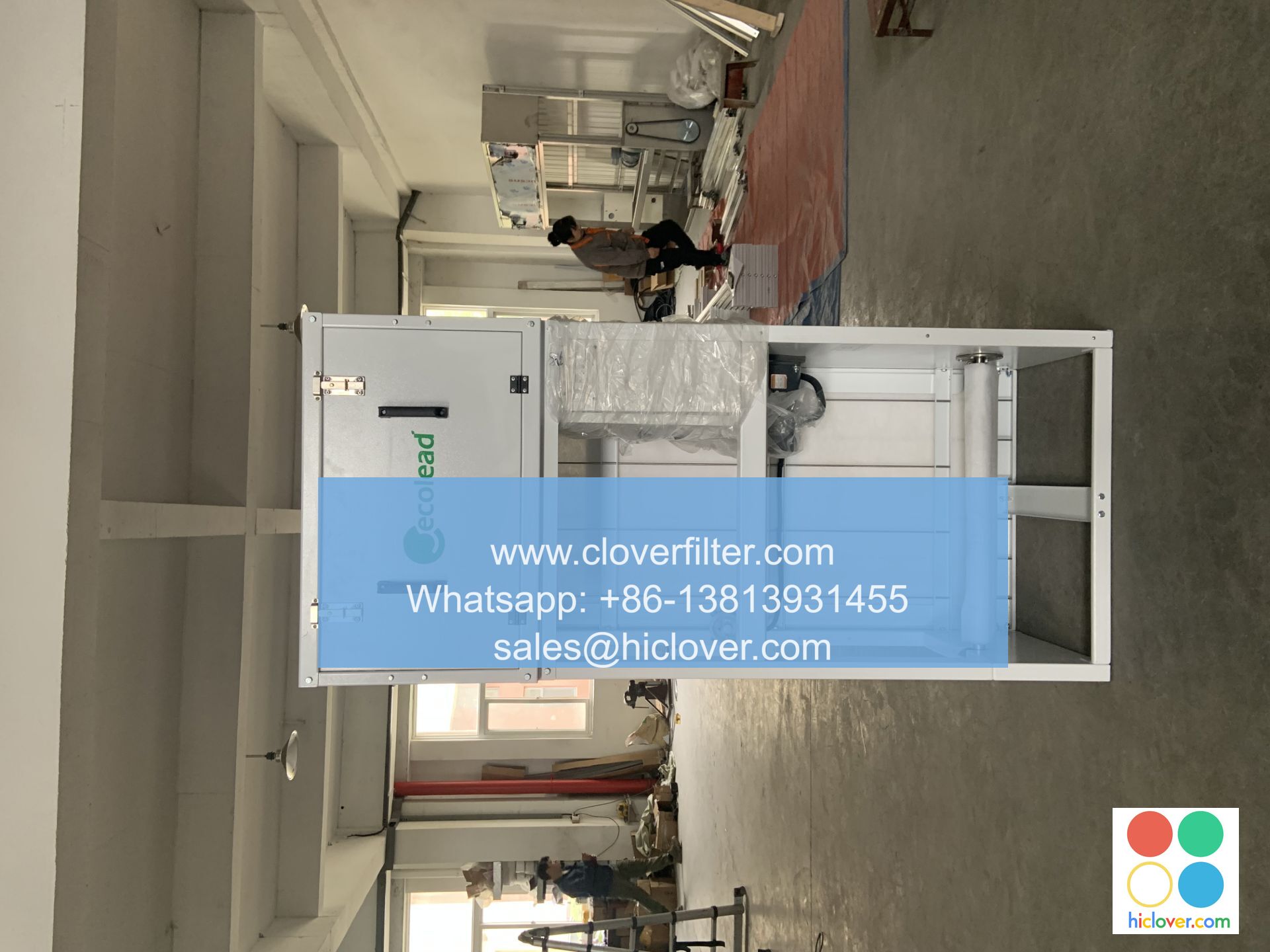
Air filter performance is a vital aspect of maintaining clean air in various industrial applications. Measuring the efficiency, longevity, and capacity of filters directly impacts air quality in spaces such as data centers, cleanrooms, and hospitals. The Automatic Roll Air Filter, a cutting-edge solution from CloverFilter, stands out by employing advanced technology for improved air filter performance.
What Is an Automatic Roll Air Filter?
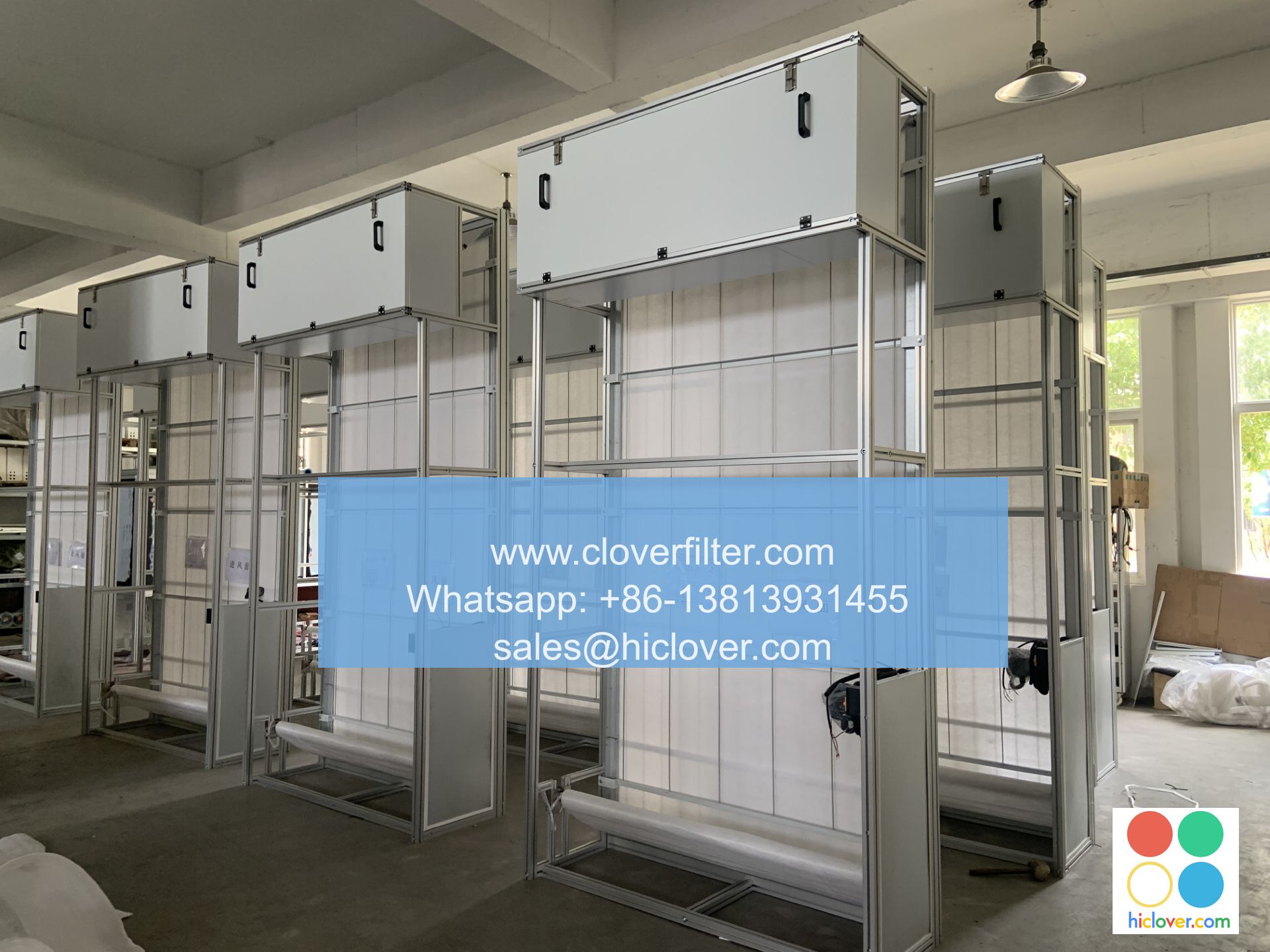
An Automatic Roll Air Filter is a type of filtration system designed to continuously supply clean air while minimizing maintenance efforts. Key features include:
These filters are particularly effective in HVAC systems, helping to improve overall air quality in fresh air intakes and recirculating systems.
Practical Selection Guide for Automatic Roll Air Filters
When considering an Automatic Roll Air Filter, several factors will help ensure you choose the right filter for your specific application:
Comparison of Filter Types
| Filter Type | Best Use Case | Maintenance | Pressure Drop Behavior | Operating Cost | Typical Risk/Downside |
|---|---|---|---|---|---|
| Automatic Roll Air Filter | Continuous filtration in high-traffic environments | Low maintenance, automated | Low to moderate | Cost-effective over time | Initial cost can be higher |
| Bag Filter | General HVAC applications | Medium maintenance | Moderate to high | Higher energy costs | Requires regular monitoring |
| Panel Filter | Light commercial use | Low maintenance | Low | Low operating cost | Shorter lifespan |
| V-bank | High particulate loading | Higher maintenance | High | Moderate to high | Needs frequent changes |
Common Mistakes & How to Avoid Them
Real-World Scenarios
Compliance and Standards
While discussing air filter performance, it’s important to note that compliance and industry standards, such as ISO 16890 and MERV, play a role in selecting the right filtration solutions. It’s essential to align with these guidelines to ensure proper air quality management but without making false claims of certification. For specific compliance certifications, please inquire directly.
FAQ
Q: What is the typical lifespan of an Automatic Roll Air Filter?
A: The lifespan depends on the application and particulate load, but they are designed to last longer than traditional filters due to their automated media advancement.
Q: Can Automatic Roll Air Filters replace other types of filters?
A: Yes, they can provide superior filtration while reducing maintenance needs compared to bag and panel filters.
Q: How do I know when to change the media on an Automatic Roll Filter?
A: The filter has a differential pressure monitoring system that indicates when the media needs to advance.
Q: Are CloverFilter products customizable?
A: Yes, CloverFilter offers options for customization depending on the specific needs of your facility.
Q: What types of facilities benefit the most from using Automatic Roll Air Filters?
A: Industries such as data centers, hospitals, and manufacturing plants benefit significantly from improved air filter performance.
Q: How do the operating costs compare to traditional filters?
A: While initial costs may be higher, the reduced maintenance and operational efficiency often lead to lower long-term operating costs.
Q: Is professional installation required?
A: While many users can self-install, professional installation is recommended to ensure optimal system integration.
Q: Where can I purchase CloverFilter products?
A: You can explore products and make inquiries at CloverFilter or reach out directly for more information.
Q: What is the recommended maintenance schedule for an Automatic Roll Air Filter?
A: Maintenance frequency varies by application; however, monitoring and evaluating performance through the differential pressure signals should guide actions.
Conclusion
Understanding air filter performance is critical for industrial air quality management. By choosing advanced solutions like the Automatic Roll Air Filter from CloverFilter, facilities can achieve cleaner air and reduced maintenance demands. For more personalized advice on your filtration needs, feel free to reach out to CloverFilter at https://www.cloverfilter.com/contact/.
Meta Description: Discover how air filter performance is measured, focusing on Automatic Roll Air Filters for improved air quality in various industrial settings.
It seems like you might be looking for ideas or assistance with a specific prompt. Could you please provide more details or clarify what you’re looking for? Whether it’s writing, brainstorming, or something else, I’m here to help!
