Air Roll Filter Systems: Key Components for Offshore Wind Efficiency
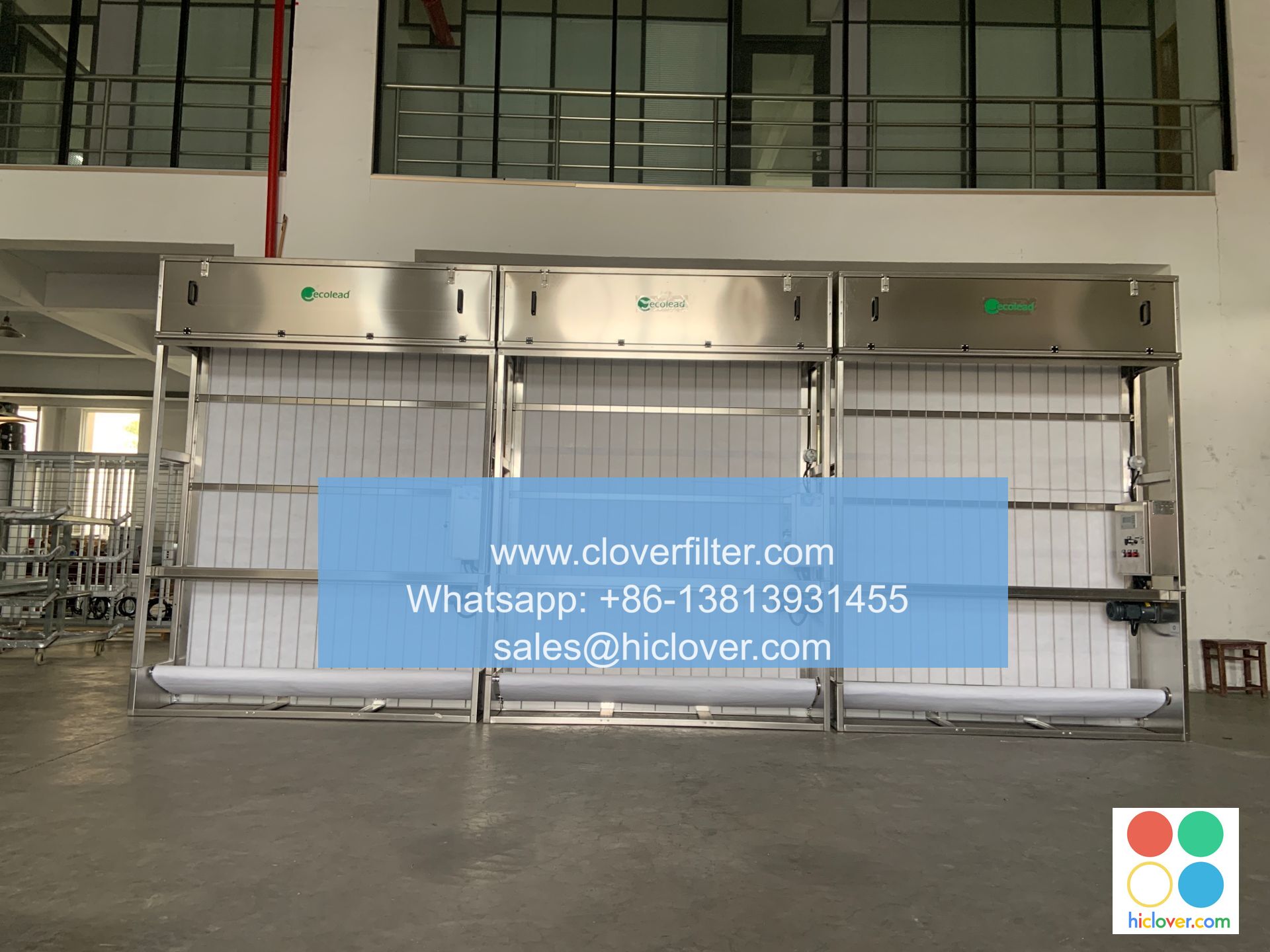
In the rapidly evolving landscape of renewable energy, offshore wind farms play a pivotal role. To maximize efficiency and maintain optimal operational capabilities, air roll filter systems have emerged as essential components. This article delves into the important features and applications of air roll filter systems in offshore wind energy production.
What are Air Roll Filter Systems?

Air roll filter systems utilize a unique design to remove contaminants and particulates from the air before it enters crucial machinery, such as turbines and generators. By providing a clean air supply, these filtration systems enhance efficiency, extend equipment life, and reduce maintenance costs in offshore wind installations.
Key Components of Air Roll Filter Systems
1. Filter Media
The core of any air roll filter system is its filter media. Typically composed of high-performance materials, the filter media captures airborne particles, dust, and moisture, which can be detrimental to wind turbine functionality. Advanced filter materials can improve filtration efficiency and help in maintaining energy output levels.
2. Roll Mechanism
The roll mechanism is a defining aspect of air roll filter systems. Unlike traditional stationary filters, this system employs a continuous rolling filter media that can operate efficiently even in harsh offshore environments. The self-cleaning nature of the roll mechanism reduces downtime and the frequency of manual maintenance, which is crucial for offshore operations.

3. Housing and Structural Elements
Robust housing is essential for protecting the filter media and maintaining operational integrity in marine conditions. Housing made of corrosion-resistant materials enhances durability, allowing the system to withstand the demanding offshore environment.
4. Control Systems
Modern air roll filter systems are equipped with intelligent control systems that monitor air quality and filter status. Sensors can provide real-time data, alerting personnel to crucial changes in air quality and triggering maintenance protocols as needed. This level of automation increases efficiency and reduces manual oversight.
Application Areas of Air Roll Filter Systems
Air roll filter systems are not limited to wind turbines alone; their applications extend across various facets of offshore wind energy production:
1. Turbine Protection
One of the most critical applications is the protection of turbines themselves. Clean air free from contaminants prevents damage to turbine components, enhancing reliability and performance.
2. Generator Cooling
The cooling systems in generators are sensitive to air quality. Air roll filter systems ensure that only filtered air enters the cooling process, maintaining optimal operational temperatures and preventing overheating.
3. Environmental Compliance
As offshore wind farms are subject to stringent environmental regulations, air roll filter systems help in meeting air quality standards by limiting emissions and ensuring a clean working environment.
4. Cost Efficiency
By reducing maintenance needs and extending equipment life, air roll filter systems significantly contribute to cost savings. This efficiency is vital for the economic sustainability of offshore wind farms.
Conclusion
Air roll filter systems are indispensable in ensuring efficient operations within offshore wind farms. By focusing on their key components and a wide array of applications, we can appreciate their role in driving forward the renewable energy agenda. As the world pursues greater sustainability through innovative technologies, air roll filter systems are set to play a crucial role in enhancing the efficiency and reliability of offshore wind energy production, solidifying their importance in the renewable energy sector.
For further information and insights about air roll filter systems and their application in offshore wind energy, consider reaching out to industry experts and specialized manufacturers who are leading the charge toward a cleaner, greener future.
It seems you may have intended to provide a prompt or a request, but I don’t see one in your message. Could you please clarify what you’d like assistance with? Whether it’s writing, brainstorming ideas, answering questions, or something else, I’m here to help!
