Airborne Particles and Hydrogen Safety: The Importance of Advanced Filtration Systems
In today’s industrial landscape, the safety of hydrogen as an energy source is a priority. As we transition towards more sustainable energy solutions, it is imperative to understand the intersection of airborne particles and hydrogen safety.
The Hazards of Airborne Particles in Hydrogen Environments

Hydrogen, as an energy carrier, is gaining significance in various sectors, including energy production, automotive, and manufacturing. However, airborne particles can pose serious risks when present in environments handling hydrogen. Contaminants such as dust, smoke, and other particulate matter can interfere with operation safety, leading to potential explosions or system failures.
The Need for Advanced Filtration Systems
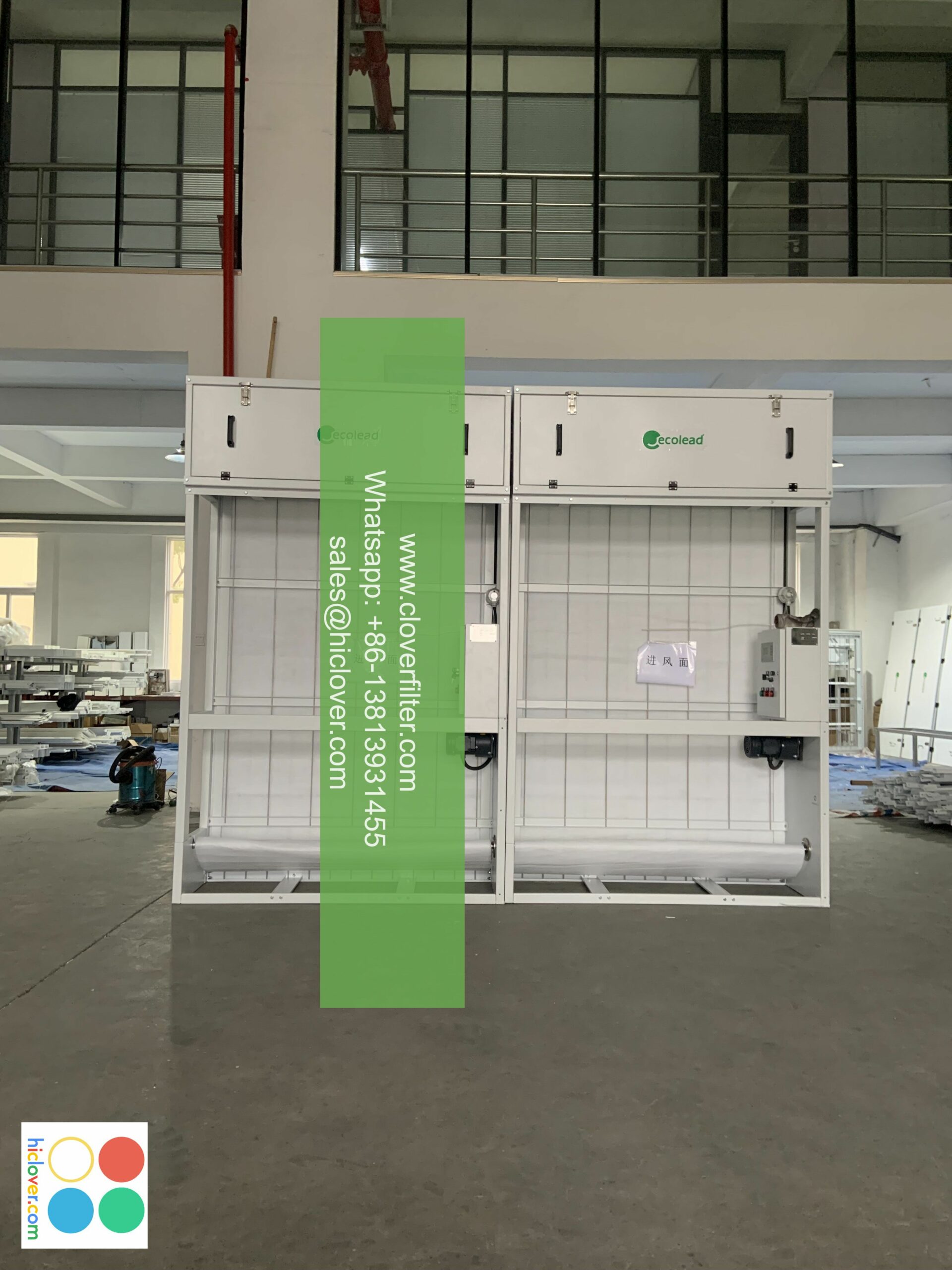
To mitigate the risks associated with airborne particles in hydrogen applications, the installation of advanced filtration systems is crucial. These systems serve multiple purposes:
- Particle Reduction: Advanced filtration systems effectively remove dust and particulates from the air, ensuring a cleaner environment for hydrogen handling.
- Improved Safety: By minimizing airborne contaminants, filtration systems reduce the likelihood of reactive mixtures that could lead to hazardous incidents.
- Compliance with Regulations: Many industries are required to adhere to strict safety regulations. Advanced filtration solutions help in maintaining compliance.

Application Areas Requiring Enhanced Filtration
Several industries can benefit from the implementation of advanced filtration systems in hydrogen environments:
1. Hydrogen Production Facilities
In hydrogen production plants, especially those using steam methane reforming or electrolysis, managing airborne particles is critical for operational efficiency and safety.
2. Fuel Cell Development
Hydrogen fuel cells are sensitive to contamination. High-performance filters can significantly enhance the reliability and lifespan of fuel cell systems.
3. Automotive Sector
As automotive manufacturers push towards hydrogen fuel technologies, ensuring clean air becomes vital to the performance of fuel cell vehicles.
4. Chemical Manufacturing
With the utilization of hydrogen in various chemical processes, protecting against airborne particulates is essential for safeguarding production quality and operator health.
Conclusion: Prioritizing Hydrogen Safety through Advanced Filtration
The dangers posed by airborne particles in environments handling hydrogen cannot be overstated. As industries increasingly adopt hydrogen as a clean energy source, the need for advanced filtration systems becomes more pressing. Investing in these systems is not only essential for operational efficiency but is also a critical aspect of maintaining safety standards in the evolving energy landscape.
By prioritizing filtration technology, industries can ensure that hydrogen remains a safe, effective, and sustainable energy solution for the future.
It looks like you may have entered “Prompt” without any additional context. How can I assist you today? Would you like to generate a specific type of text, ask a question, or discuss a certain topic? Please provide more details!
