An Evaluation of Automatic Roll Air Filters’ Effectiveness in Removing Airborne Contaminants
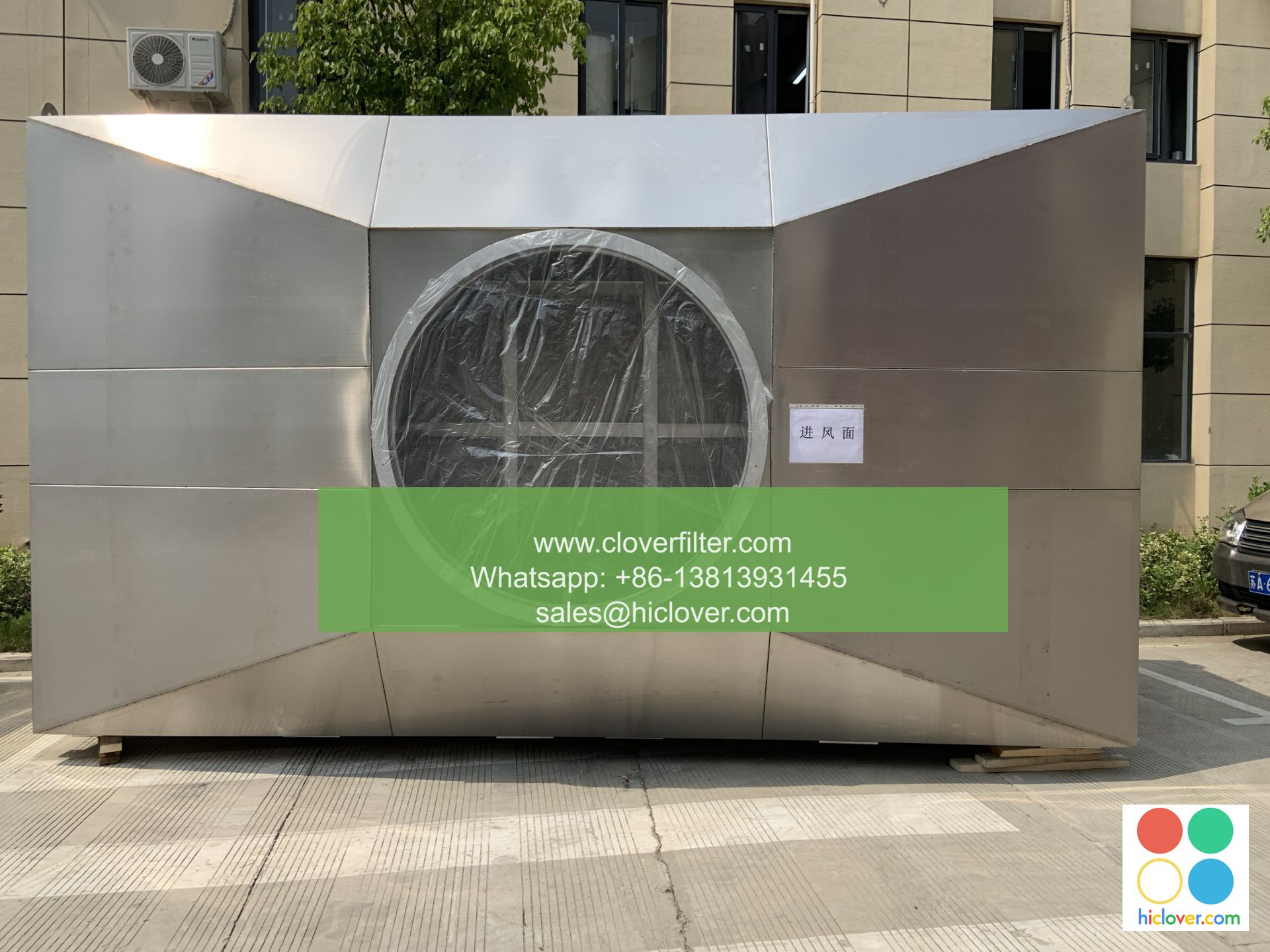
Air pollution is a significant concern globally, with airborne contaminants posing serious risks to human health, indoor air quality, and the environment. In response, various air filtration systems have been developed to mitigate these risks. One such technology is the Automatic Roll Air Filter, designed to capture airborne particles and pollutants, improving overall air purification and quality. This article aims to evaluate the effectiveness of these filters in removing airborne contaminants and highlight their applications across different sectors.
Introduction to Automatic Roll Air Filters
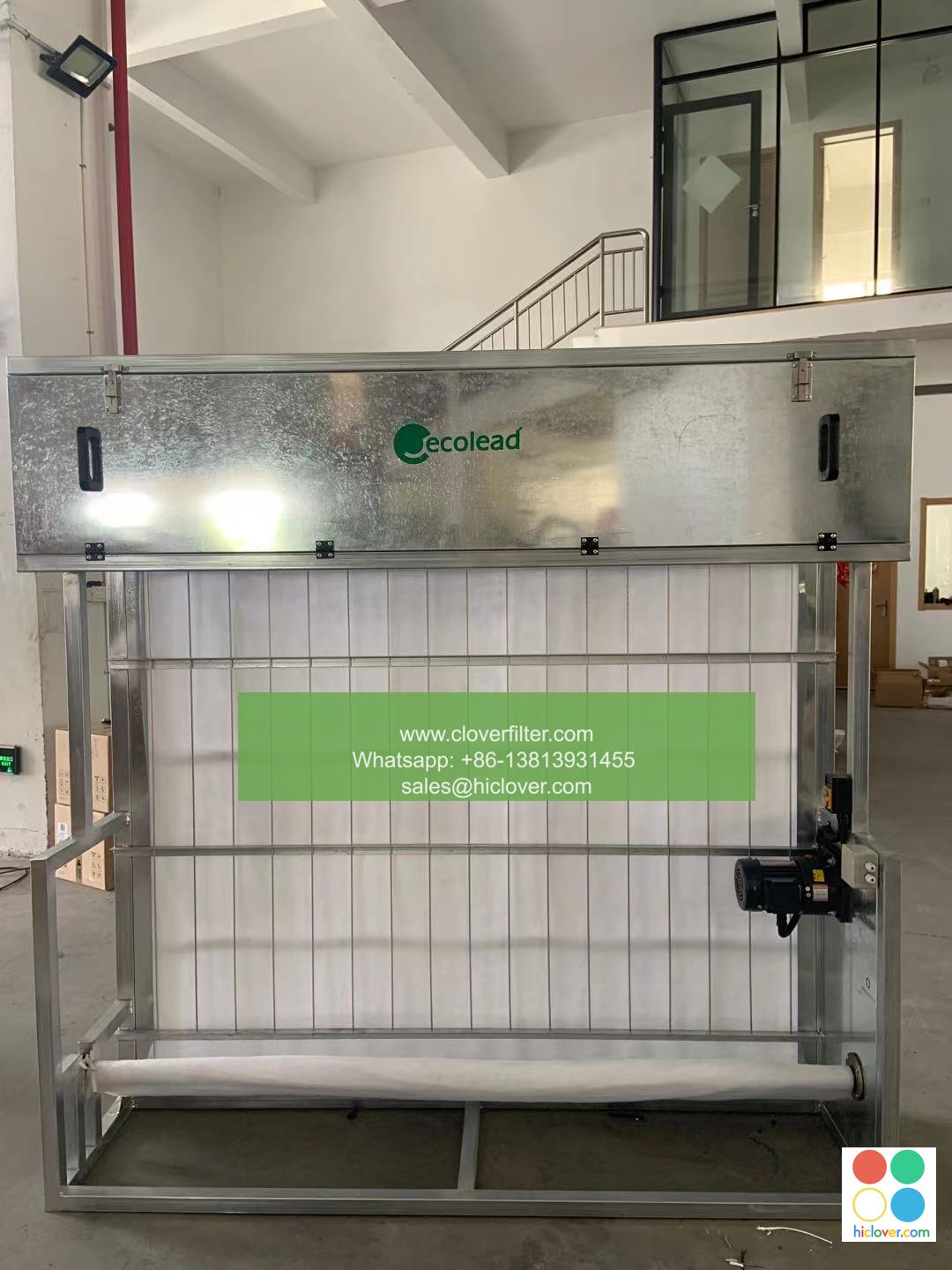
Automatic Roll Air Filters are advanced air filtration systems that utilize a rolling mechanism to provide continuous filtration without the need for manual intervention. These filters are equipped with high-efficiency filter media capable of capturing a wide range of airborne contaminants, including dust, pollen, smoke, and microscopic particles. The automatic roll design ensures that as one section of the filter becomes saturated with contaminants, a fresh section is rolled into place, maintaining optimal air cleaning efficiency.
Evaluation of Effectiveness
The effectiveness of Automatic Roll Air Filters in removing airborne contaminants can be evaluated based on several factors, including their filter efficiency, air flow rate, and longevity. Studies and tests have shown that these filters can achieve high efficiency rates, often exceeding 95%, in capturing particles as small as 0.3 microns. This capability is crucial in controlling particulate matter (PM), which is associated with adverse health effects. Moreover, the continuous operation of these filters without significant drops in air flow ensures consistent air quality improvement in treated spaces.
Applications Across Various Sectors
The versatility and effectiveness of Automatic Roll Air Filters have led to their adoption in numerous application areas, including:
– Industrial Settings: For the removal of industrial dust, fumes, and particles, enhancing occupational health and safety and protecting sensitive equipment.
– Commercial Buildings: Improving indoor air quality (IAQ) in offices, shopping centers, and public venues, contributing to a healthier and more comfortable environment for occupants and visitors.
– Healthcare Facilities: Where the control of airborne pathogens and contaminants is critical, these filters play a vital role in infection control and patient safety.
– Residential Homes: Enhancing home air quality by removing allergens, smoke, and other pollutants, contributing to better health and well-being for residents.
Conclusion
In conclusion, Automatic Roll Air Filters have demonstrated significant effectiveness in removing airborne contaminants, making them a valuable tool in the pursuit of improved air quality across various application areas. Their high-efficiency filtration, combined with automated operation and extended filter lifespan, positions them as a preferred solution for both industrial and residential air purification needs. As concerns about air pollution and its impacts continue to grow, technologies like the Automatic Roll Air Filter will play an increasingly important role in creating healthier and more sustainable environments.
