An Overview of Automatic Roll Air Filters for Cleanrooms
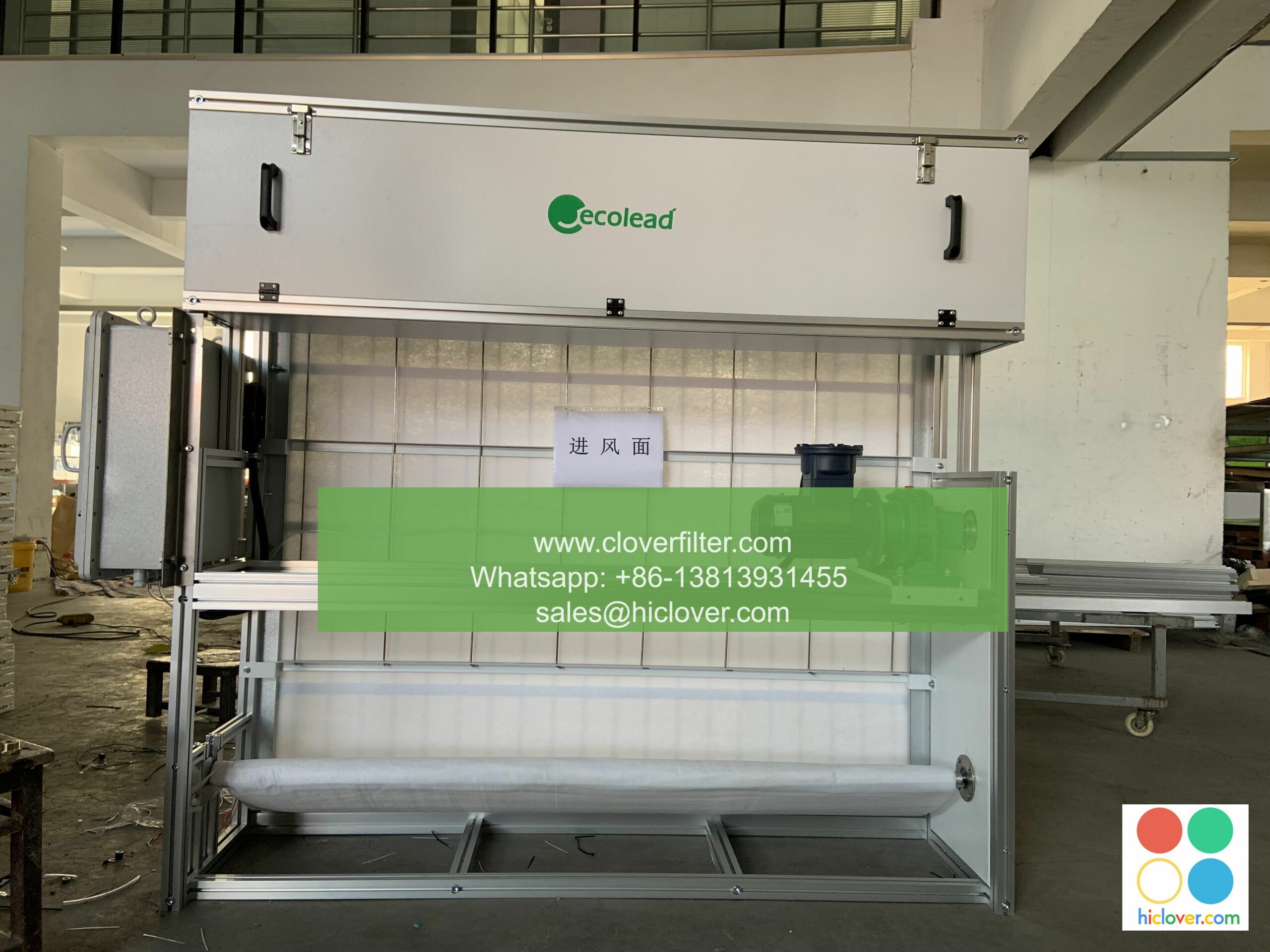
Cleanrooms are controlled environments that require precise temperature, humidity, and air quality control to prevent contamination. One of the critical components in maintaining the cleanliness of these environments is the use of HEPA air filters and ULPA air filters, which are designed to capture sub-micron particles and other airborne contaminants. In this article, we will provide an overview of
Introduction to Automatic Roll Air Filters
Design Features of Automatic Roll Air Filters
* Compact design: allowing for easy installation and space-saving configurations
* Low pressure drop: minimizing the energy required to operate the filter and reducing noise levels
* High airflow rates: providing a consistent supply of filtered air to the cleanroom
* Automated roll change: allowing for easy maintenance and minimizing downtime
Application Areas of Automatic Roll Air Filters
* Pharmaceutical manufacturing: where strict contamination control is required to ensure the quality of pharmaceutical products
* Biotechnology research: where sensitive biological samples require a controlled environment to prevent contamination
* Medical device manufacturing: where precision cleaning and assembly require a controlled environment
* Food processing: where strict hygiene standards are required to prevent food contamination

Benefits of Automatic Roll Air Filters
The use of
* Improved air quality: by capturing sub-micron particles and other airborne contaminants
* Increased productivity: by minimizing downtime and reducing the risk of contamination
* Reduced energy costs: by minimizing the energy required to operate the filter
* Enhanced regulatory compliance: by meeting stringent cleanroom standards and regulations
In conclusion,
