Automatic Roll Air Filter: A Crucial Component in Ottawa Biotechnology Facilities
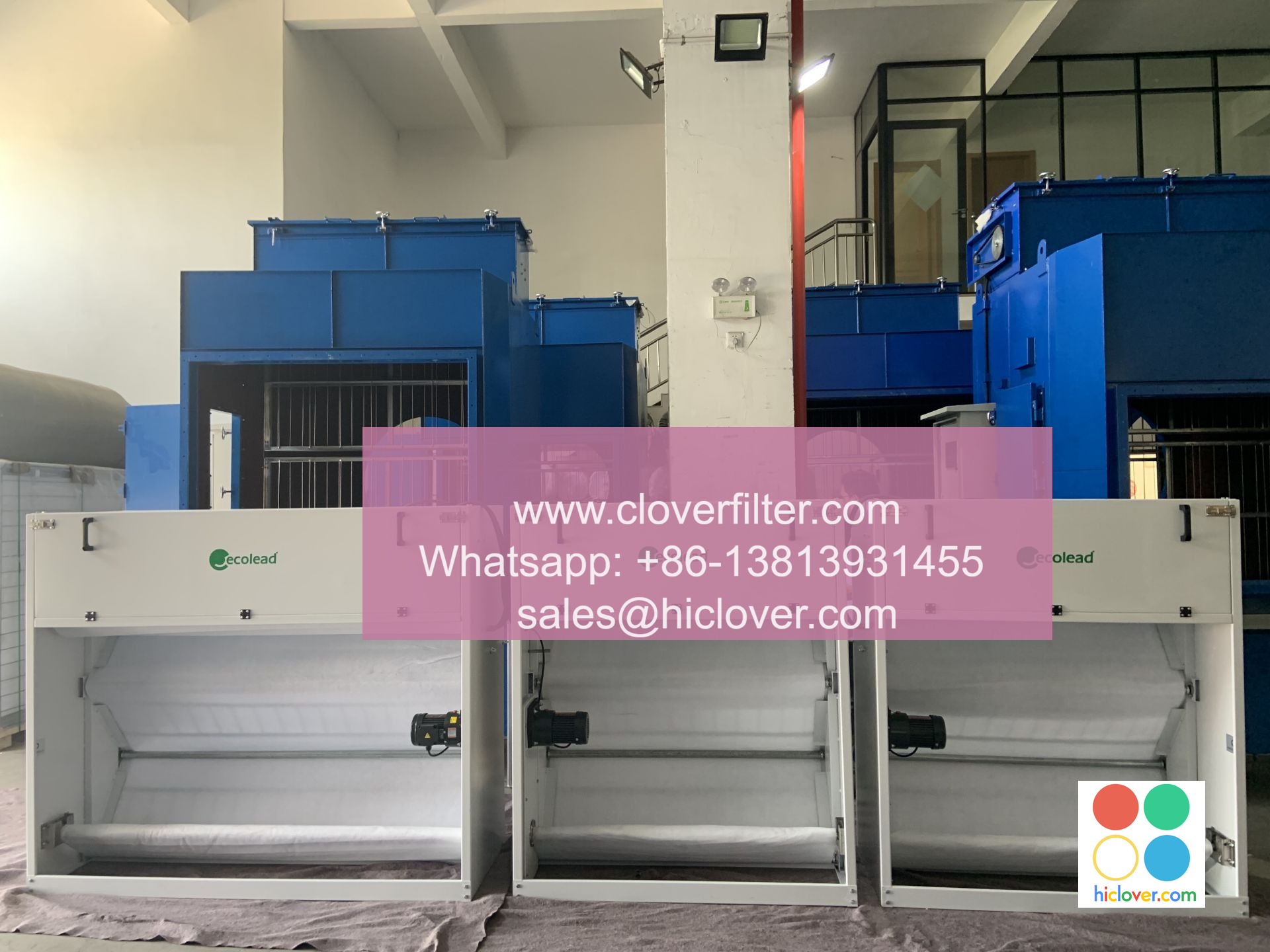
In the biotechnology industry, maintaining a clean and controlled environment is crucial for ensuring the quality and integrity of products. One key component in achieving this is the Automatic Roll Air Filter (ARAF). In Ottawa, biotechnology facilities rely heavily on ARAFs to provide a sterile and contamination-free environment for their operations. In this article, we will explore the importance of ARAFs in Ottawa biotechnology facilities and their role in maintaining a clean and controlled environment.
Biotechnology facilities in Ottawa handle sensitive biological materials, such as cells, tissues, and microorganisms, which require a sterile environment to prevent contamination. ARAFs play a critical role in maintaining this environment by removing airborne contaminants, such as dust, bacteria, and viruses, from the air. These filters are designed to capture 99.97% of particles as small as 0.3 microns, ensuring that the air in the facility is clean and free from contaminants.

The Automatic Roll Air Filter is a type of air filter that uses a rolling mechanism to advance a new section of filter media as the old one becomes dirty. This process is fully automated, eliminating the need for manual intervention and reducing the risk of contamination. ARAFs are typically installed in the air handling units (AHUs) of biotechnology facilities, where they can filter the air before it enters the facility.
The use of ARAFs in Ottawa biotechnology facilities offers several benefits. Firstly, they help to maintain a clean and controlled environment, which is essential for ensuring the quality and integrity of products. Secondly, ARAFs reduce the risk of contamination, which can have serious consequences, such as product spoilage, equipment damage, and even harm to personnel. Finally, ARAFs help to improve the overall efficiency of the facility by reducing downtime and minimizing the need for manual cleaning and maintenance.
In addition to their technical benefits, ARAFs also offer economic advantages. By reducing the need for manual cleaning and maintenance, ARAFs can help to minimize labor costs and extend the lifespan of equipment. Furthermore, ARAFs can help to reduce energy consumption by improving the overall efficiency of the facility’s air handling system.
Another important aspect of ARAFs is their ability to be customized to meet the specific needs of a facility. For example, some ARAFs can be designed to capture specific types of contaminants, such as bacteria or viruses, while others can be designed to handle high-velocity air flows. This flexibility makes ARAFs an ideal solution for biotechnology facilities in Ottawa, which often have unique and specialized requirements.

To ensure optimal performance, ARAFs require regular maintenance and monitoring. This includes replacing the filter media on a regular basis, cleaning the filter housing, and checking the filter’s differential pressure. By following a regular maintenance schedule, facilities can ensure that their ARAFs continue to operate at peak performance and provide a clean and controlled environment for their operations.
In conclusion, Automatic Roll Air Filters play a crucial role in maintaining a clean and controlled environment in Ottawa biotechnology facilities. Their ability to remove airborne contaminants, reduce the risk of contamination, and improve efficiency makes them an essential component in these facilities. By understanding the importance of ARAFs and their benefits, facilities can take steps to ensure optimal performance and maintain a sterile and contamination-free environment for their operations.
Conclusion
In summary, ARAFs are a vital component in Ottawa biotechnology facilities, providing a clean and controlled environment for sensitive biological materials. Their automated operation, high filtration efficiency, and customization options make them an ideal solution for facilities with unique requirements. By prioritizing the maintenance and monitoring of ARAFs, facilities can ensure optimal performance and maintain a sterile environment for their operations.
Frequently Asked Questions (FAQs)
Q: What is an Automatic Roll Air Filter (ARAF)?
An ARAF is a type of air filter that uses a rolling mechanism to advance a new section of filter media as the old one becomes dirty.
Q: What are the benefits of using ARAFs in biotechnology facilities?
The benefits of using ARAFs include maintaining a clean and controlled environment, reducing the risk of contamination, and improving efficiency.
Q: How often should ARAFs be maintained?
ARAFs should be maintained on a regular basis, including replacing the filter media, cleaning the filter housing, and checking the filter’s differential pressure.
Q: Can ARAFs be customized to meet specific facility requirements?
Yes, ARAFs can be customized to meet specific facility requirements, such as capturing specific types of contaminants or handling high-velocity air flows.
