Automatic Roll Air Filter Maintenance and Repair: Best Practices for Quebec Pharmaceutical Plants
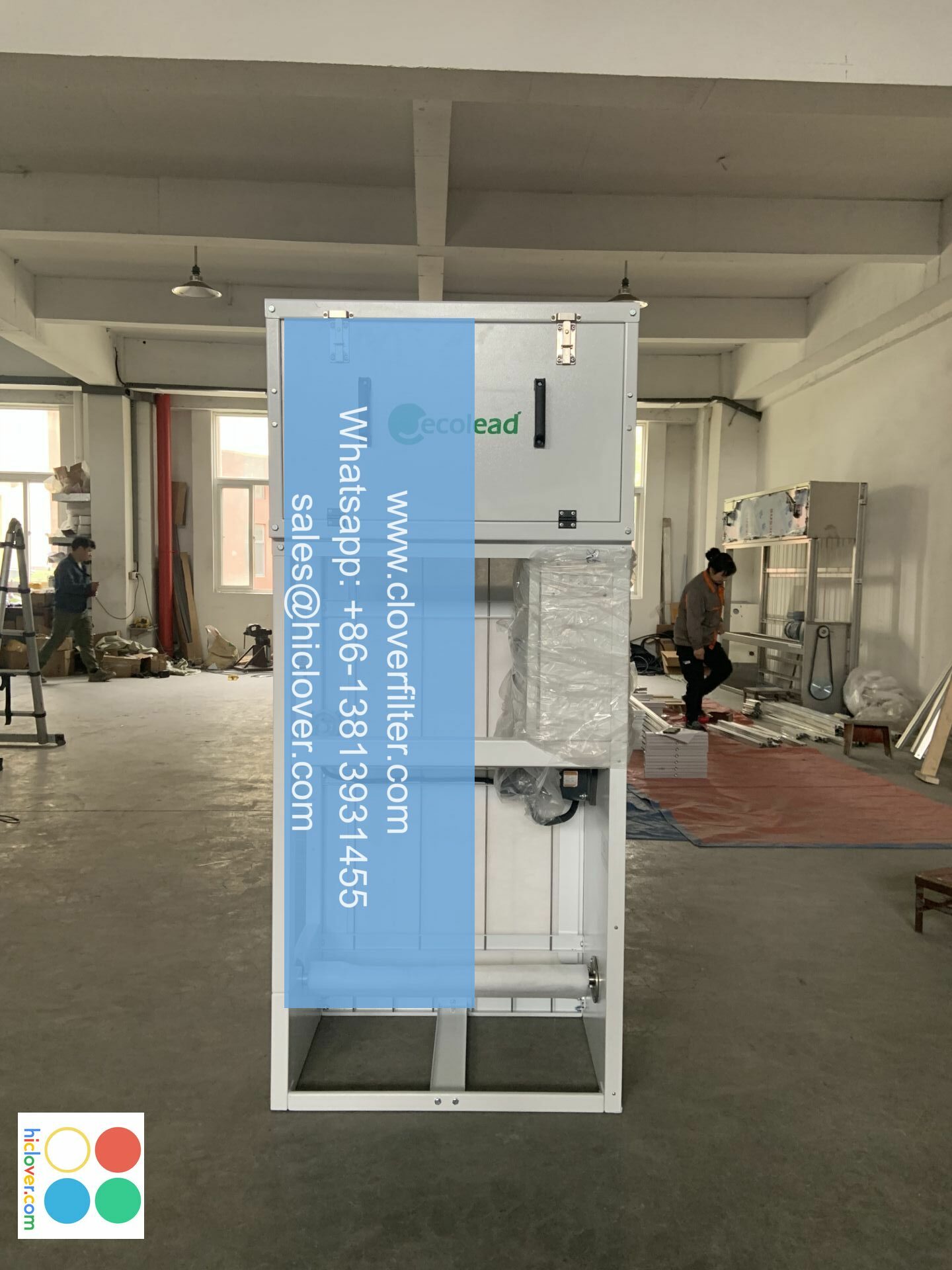
Automatic Roll Air Filter Maintenance and Repair: Best Practices for Quebec Pharmaceutical Plants
In the pharmaceutical industry, maintaining a pristine environment is not just a best practice; it’s a regulatory requirement. Automatic roll air filters play a critical role in ensuring that the air in production facilities remains contaminant-free. Given the unique climate and regulatory conditions in Quebec, it is important to implement effective maintenance and repair practices tailored to local needs.

Understanding the Importance of Air Filters
Air filters are essential in controlling particulate contamination, which can adversely affect product quality. In Quebec, where humidity and temperature fluxes can introduce additional challenges, maintaining an optimal filtering process is crucial. Automatic roll air filters not only provide efficiency but also can be designed for continuous operation, minimizing the risk of human error in manual changes.
Maintenance Best Practices
Regular maintenance of automatic roll air filters is vital to ensure their efficiency and longevity. Best practices include:
- Regular Inspections: Conduct bi-weekly visual inspections to check for signs of wear and tear or any blockage in the filtering system.
- Change Filters as Recommended: Consult the manufacturer’s guidelines for filter change frequency. Factors such as production volume and environmental conditions should inform your schedule.
- Clean the System: Periodically clean the housing and any accessible components to remove dust and particulate accumulation. This can prevent back pressure and ensure optimal performance.
- Monitor Air Quality: Utilize air quality monitoring equipment to keep tabs on particulate levels. This information can help identify trends and prompt timely maintenance interventions.
- Documentation: Keep a detailed log of inspections, maintenance, and repairs. This documentation is vital for regulatory compliance and to trace any issues that may arise.
- Filter Misalignment: Ensure that the roll filter is aligned correctly in its housing. Misalignment can lead to increased leakage and reduced efficiency.
- Mechanical Failures: Inspect all mechanical parts for wear or damage. Replace worn gears or belts promptly to prevent larger breakdowns.
- Electrical Issues: Verify that all electrical components are functioning properly. Repair any faulty wiring or connections to prevent system failures.
- Contamination Sources: Identify potential sources of contamination and rectify them, whether it’s seals that have degraded over time or external factors like construction activities nearby.
- How often should I change the automatic roll air filters?
- It depends on various factors such as the volume of production and the specific manufacturer’s recommendations. Generally, it is advisable to change them every 3 to 6 months.
- What are the signs that my air filter needs maintenance?
- Common signs include reduced airflow, increased energy consumption, and visible dust buildup on the filter or surrounding areas.
- Can I repair the filter system myself?
- While basic maintenance can often be performed in-house, it is recommended to consult a professional for significant repairs or if you lack experience with HVAC systems.
- What should I do if I suspect contamination in the air supply?
- Take immediate action by inspecting the air filtration system, and engage a specialized consultant if contamination continues to be a concern.

Repairing Automatic Roll Air Filters
Despite regular maintenance, breakdowns can occur. Knowing the common issues and their remedies can save time during repairs:
Conclusion
The role of automatic roll air filters in maintaining air quality in Quebec’s pharmaceutical plants cannot be overstated. By adhering to best practices for maintenance and repair, businesses can safeguard production environments against contamination and ensure compliance with rigorous industry standards. Continuous vigilance and proactive measures will contribute significantly to operational efficiency and product integrity.
FAQs
