Automatic Roll Air Filter Maintenance: Best Practices for Thunder Bay Medical Research Facility

The Thunder Bay Medical Research Facility is a state-of-the-art institution dedicated to advancing medical knowledge and improving patient care. As with any medical facility, maintaining a clean and healthy environment is crucial for the well-being of patients, staff, and researchers. One essential aspect of indoor air quality is the proper functioning of air filters, particularly roll air filters. Automatic roll air filter maintenance is vital to ensure the facility’s HVAC system operates efficiently, reduces energy consumption, and provides a safe indoor environment. In this article, we will discuss the best practices for automatic roll air filter maintenance at the Thunder Bay Medical Research Facility.
Air filters play a critical role in removing airborne contaminants, such as dust, pollen, and bacteria, from the air. Roll air filters are a type of air filter that uses a roll of filter media to capture particles and pollutants. These filters are commonly used in commercial and industrial settings, including medical facilities, due to their high efficiency and low maintenance requirements. However, to ensure optimal performance, roll air filters require regular maintenance.

Automatic roll air filter maintenance involves a combination of manual and automated processes. The facility’s maintenance staff should perform regular inspections of the air filter system to identify any issues or problems. This includes checking the filter media for damage, wear, and tear, as well as ensuring that the filter is properly seated and sealed. The staff should also monitor the system’s airflow and pressure to detect any changes or abnormalities.
In addition to manual inspections, the facility can benefit from automated maintenance systems. These systems can be programmed to monitor the air filter’s performance and alert maintenance staff when maintenance is required. Automated systems can also track the filter’s lifespan and provide notifications when replacement is needed. This helps to ensure that the filter is always functioning at its best, reducing the risk of airborne contaminants and maintaining a healthy indoor environment.
Another best practice for automatic roll air filter maintenance is to implement a regular replacement schedule. The frequency of replacement will depend on various factors, including the type of filter media, airflow rates, and occupancy levels. As a general rule, roll air filters should be replaced every 1-3 months, depending on the facility’s specific conditions. The maintenance staff should keep a record of filter replacements to ensure that the schedule is followed and that the filters are always up to date.
The Thunder Bay Medical Research Facility can also benefit from using high-quality roll air filters that are designed for commercial and industrial applications. These filters are typically made with durable materials and are designed to capture a wide range of airborne contaminants. The facility should consider using filters with a high MERV (Minimum Efficiency Reporting Value) rating, which indicates the filter’s ability to capture small particles and pollutants.
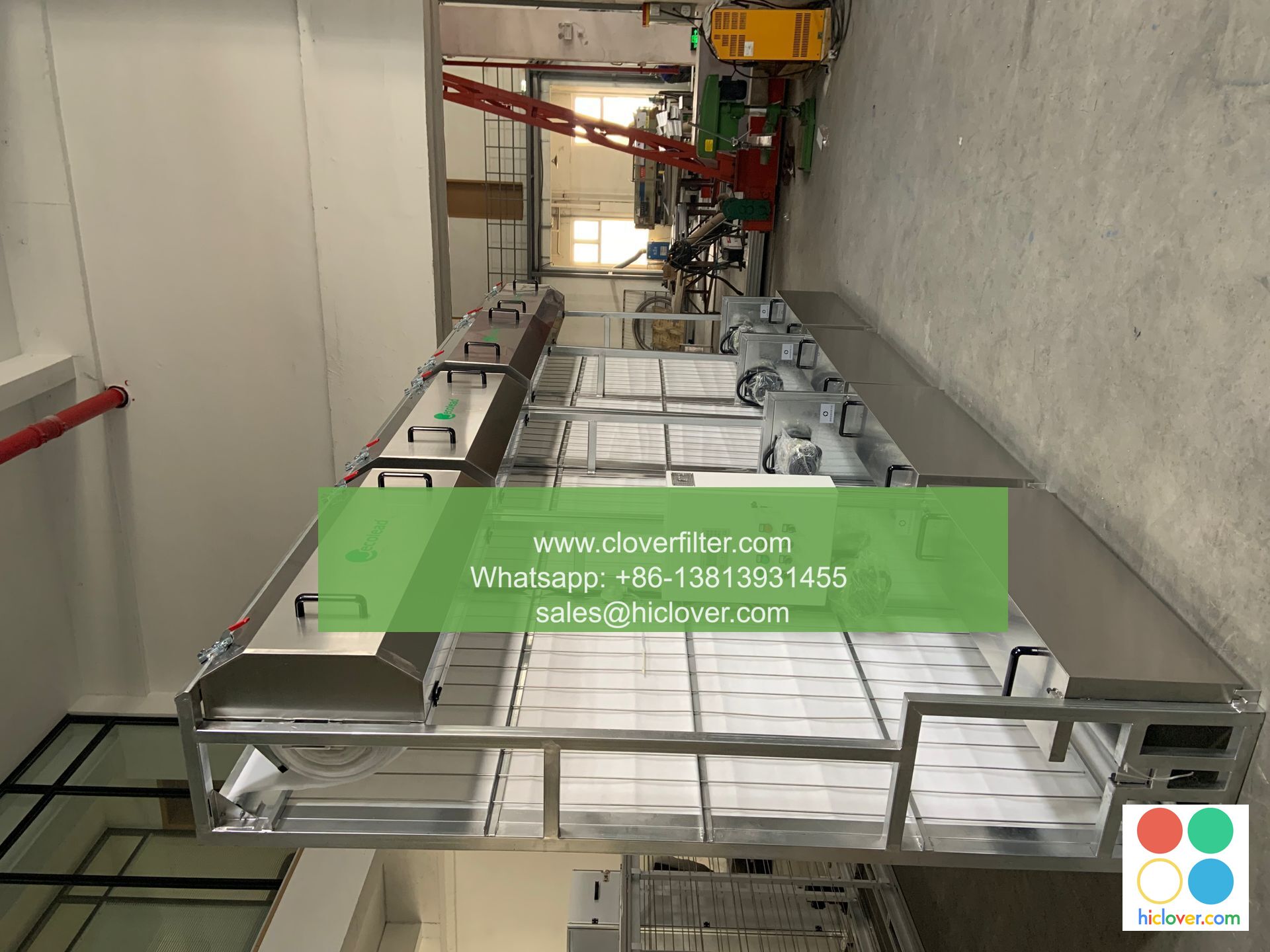
In conclusion, automatic roll air filter maintenance is essential for maintaining a clean and healthy environment at the Thunder Bay Medical Research Facility. By implementing best practices, such as regular inspections, automated maintenance systems, and regular replacement schedules, the facility can ensure that its air filter system is always functioning at its best. This not only improves indoor air quality but also reduces energy consumption and helps to prevent the spread of airborne diseases.
Conclusion
In summary, the Thunder Bay Medical Research Facility should prioritize automatic roll air filter maintenance to ensure the health and well-being of patients, staff, and researchers. By following best practices and using high-quality roll air filters, the facility can maintain a clean and healthy environment, reduce energy consumption, and contribute to the advancement of medical knowledge.
FAQs
Q: What is the importance of regular air filter maintenance in a medical facility?
A: Regular air filter maintenance is crucial in a medical facility to prevent the spread of airborne diseases, maintain a clean and healthy environment, and reduce energy consumption.
Q: How often should roll air filters be replaced in a commercial setting?
A: The frequency of replacement will depend on various factors, including the type of filter media, airflow rates, and occupancy levels. As a general rule, roll air filters should be replaced every 1-3 months.
Q: What is the benefit of using automated maintenance systems for roll air filters?
A: Automated maintenance systems can monitor the air filter’s performance, track its lifespan, and provide notifications when maintenance is required, ensuring that the filter is always functioning at its best.
Q: What is the significance of using high-quality roll air filters with a high MERV rating?
A: High-quality roll air filters with a high MERV rating can capture a wide range of airborne contaminants, including small particles and pollutants, improving indoor air quality and reducing the risk of airborne diseases.
