Automatic Roll Air Filter Replacement Schedules: A Guide for Markham IT Server Centers
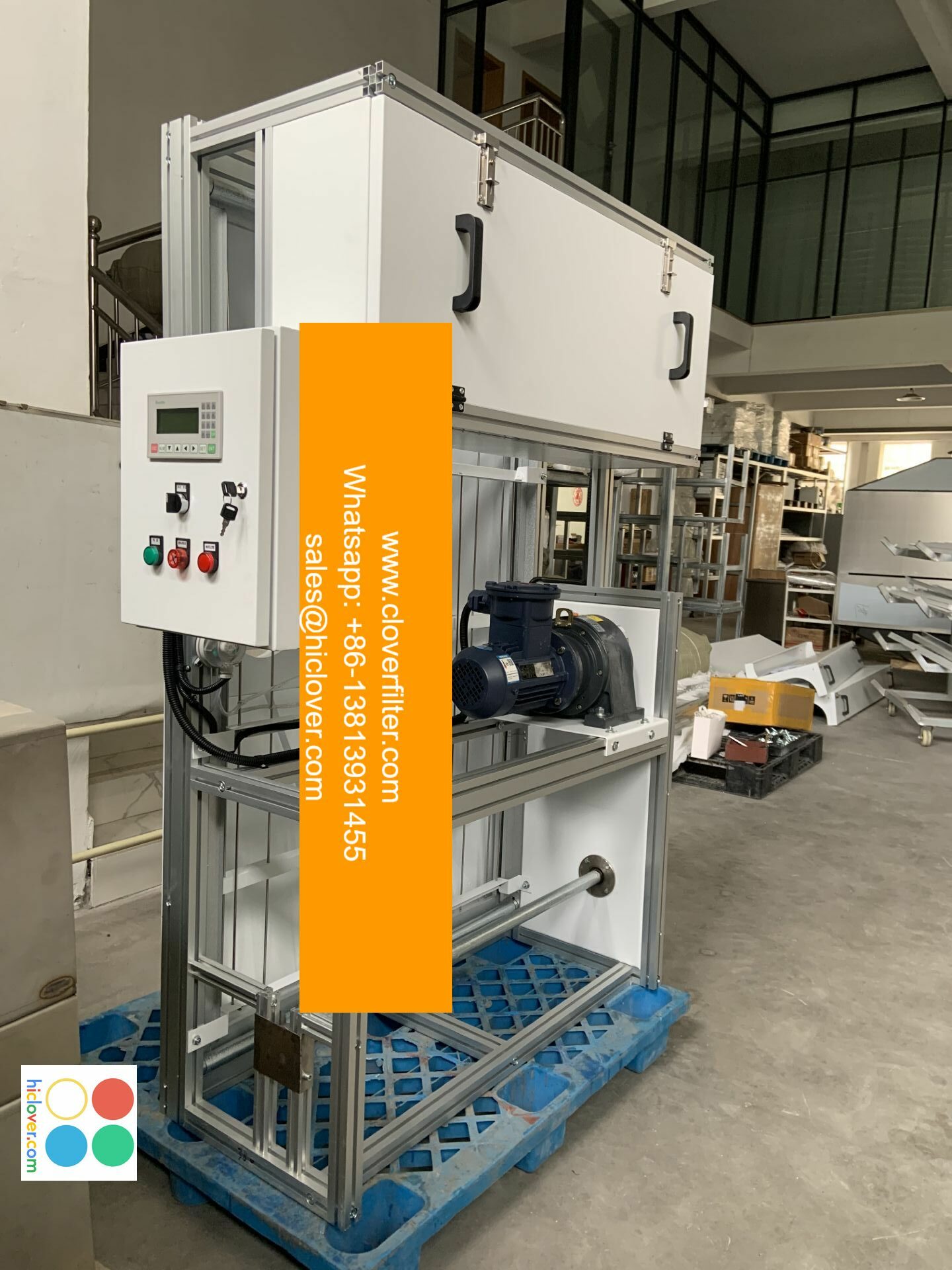
Understanding the Importance of Air Filter Maintenance
In today’s digital landscape, IT server centers in Markham are crucial for data management and storage. A vital aspect of maintaining operational efficiency in these centers is ensuring that the air filtration systems are functioning correctly. Automatic roll air filters play a significant role in maintaining air quality, protecting sensitive equipment, and ensuring optimal server performance.

Proper air filtration helps prevent dust, debris, and other environmental particles from accumulating inside server racks, which can lead to overheating and equipment failure. To maximize the effectiveness of these air filters, establishing a replacement schedule is essential. This article provides a comprehensive guide on how to implement automatic roll air filter replacement schedules tailored for IT server centers in Markham.
The Basics of Automatic Roll Air Filters
Automatic roll air filters are designed to provide continuous clean air circulation in enclosed environments such as server rooms. These filters can be automatically replaced at set intervals to ensure that air quality remains high without manual intervention.
Key benefits of utilizing automatic roll air filters include:
- Enhanced Efficiency: Regular filter replacement maximizes airflow and system efficiency.
- Reduced Downtime: Automated systems minimize the risk of human error, ensuring that air filters are changed on time.
- Cost-Effective: Prolonged equipment life leads to lower maintenance costs.
Creating an Effective Replacement Schedule
Establishing a replacement schedule is crucial for the effective maintenance of your air filter system. Here are steps to create a schedule suited for your IT server center:
1. Assess Filter Type and Usage
Understand the specifications of your air filters, including their lifespan as recommended by the manufacturer. Factors such as the server center’s usage, location, and the environmental conditions should influence this assessment.
2. Monitor Air Quality
Utilize air quality monitors to measure the effectiveness of your filters. Monitoring levels of particulate matter can give insights into when filters should be replaced.
3. Implement a Regular Replacement Cycle
Based on your assessment and monitoring, implement a replacement cycle. For most server centers, a typical cycle ranges from 1 to 3 months, depending on workload and environmental factors.
4. Schedule Automated Alerts
Utilize management software that can send alerts for upcoming replacements. Automated notifications help ensure that the responsible parties are prepared for maintenance.
Conclusion
In conclusion, managing air quality through an effective automatic roll air filter replacement schedule is essential for maintaining the performance and longevity of IT server centers in Markham. Understanding the type of environment in which your servers operate, continuously monitoring air quality, and setting up an effective replacement schedule can significantly improve not only the air quality but also the overall uptime and efficiency of critical IT operations. As technology continues to advance, ensuring the health of your server environment remains a top priority.
FAQs
Q1: How often should I replace my automatic roll air filters?
A1: Replacement frequency can vary depending on the operational demands and environmental conditions, but typically, filters should be replaced every 1-3 months.
Q2: What signs indicate that my air filter needs to be replaced?
A2: Signs include decreased airflow, increased dust accumulation within the server room, or alerts from air quality monitoring systems.
Q3: Can I manage filter replacements manually instead of using an automatic system?
A3: While manual replacement is an option, it increases the risk of human error and potential oversights. An automatic system ensures timely maintenance with reduced effort.
Q4: Are automatic roll air filters cost-effective?
A4: Yes, they can be cost-effective in the long run since they help maintain equipment efficiency, reduce downtime, and extend the lifespan of your servers.
